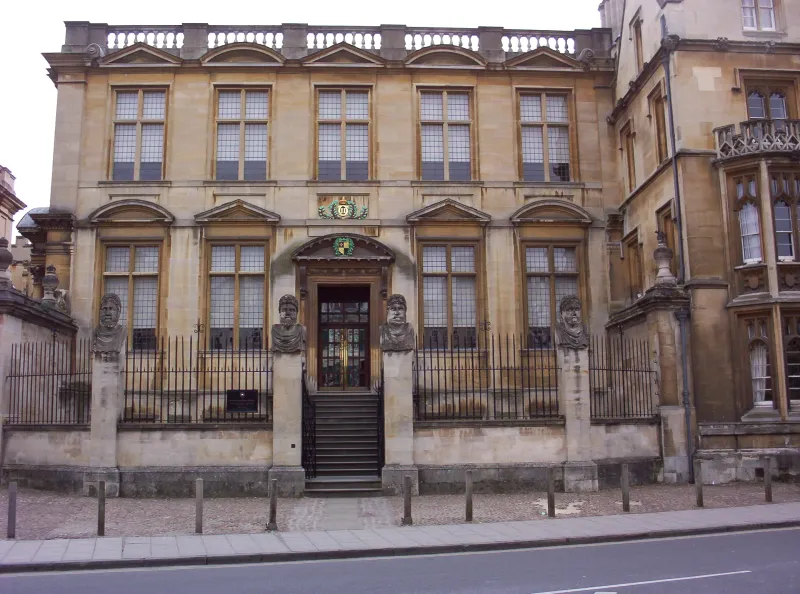
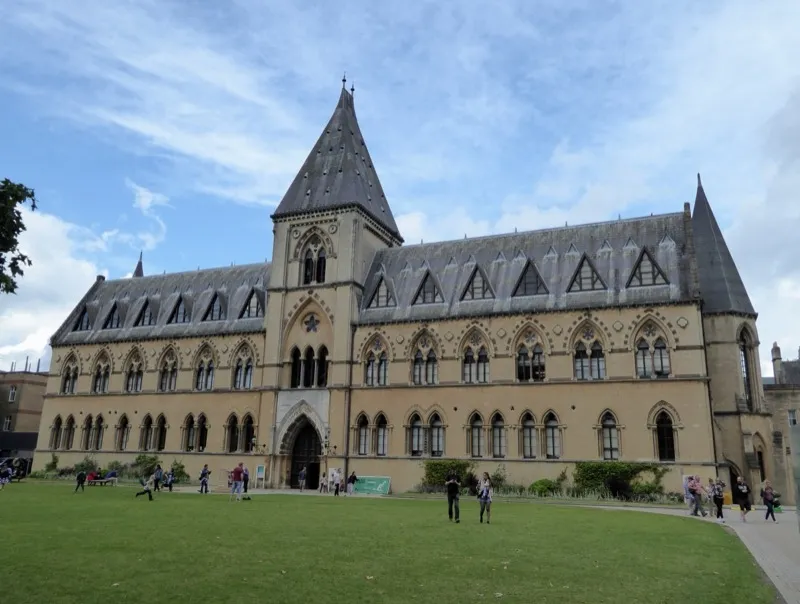
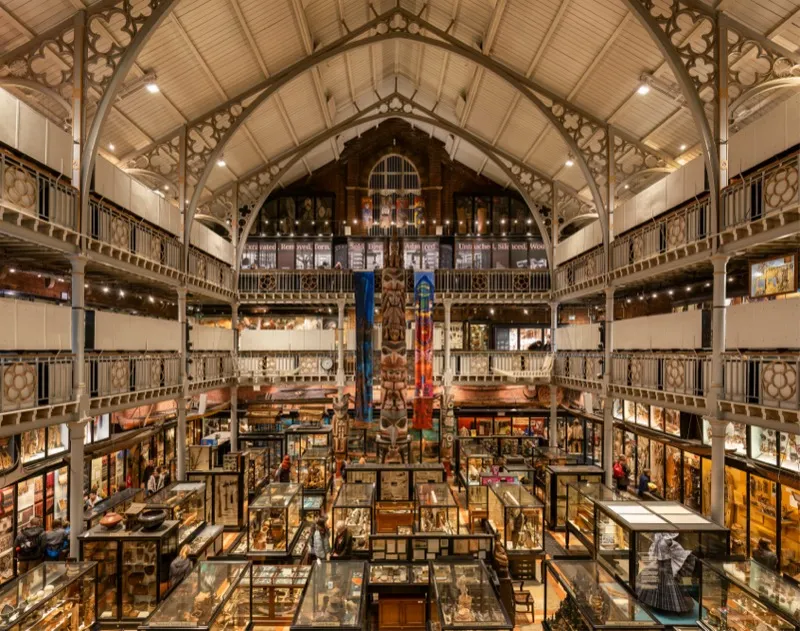
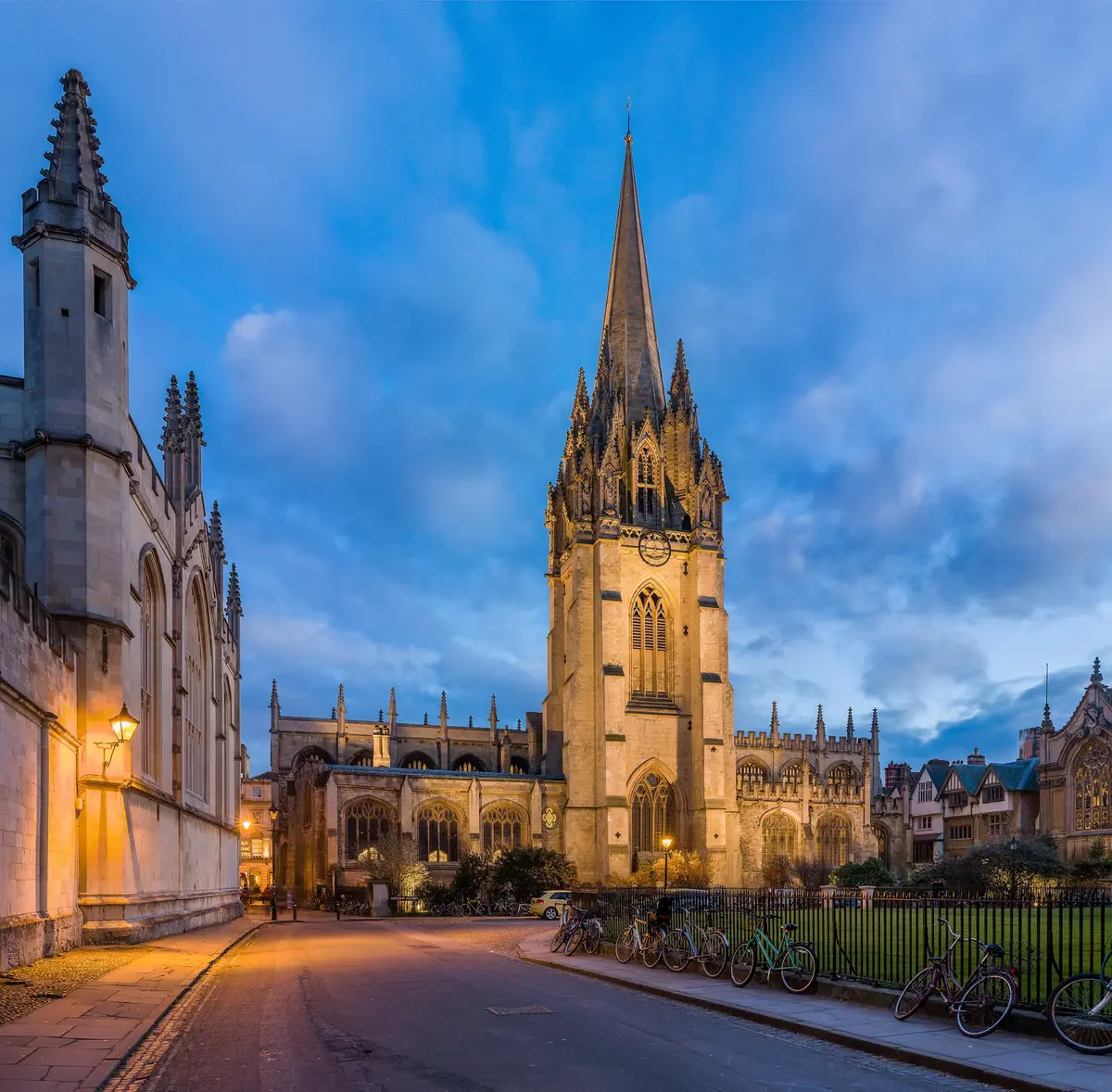
Oxford es una de las mejores ciudades de Inglaterra para visitar en familia, y la mayoria de sus principales atracciones son gratuitas. El Natural History Museum tiene un esqueleto completo de T-Rex y una sala de minerales que brillan bajo luz ultravioleta. Al lado, el Pitt Rivers Museum es un gabinete de curiosidades fascinante para los ninos: cabezas reducidas, totems, marionetas de sombras y brujas en botellas. Ambos museos son completamente gratuitos.
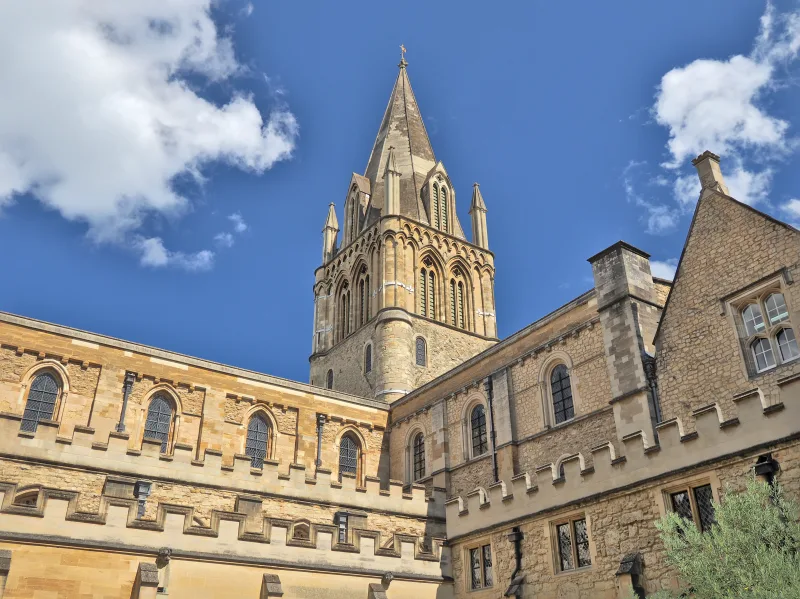
Christ Church es donde Charles Dodgson (Lewis Carroll) fue profesor de matematicas, y el colegio esta lleno de referencias a Alicia en el Pais de las Maravillas: la pequena puerta del comedor, la chimenea que inspiro al gato de Cheshire, y la tienda de Alice al otro lado de la calle — el original de la "Old Sheep Shop" de A traves del espejo, ahora con recuerdos del Pais de las Maravillas.
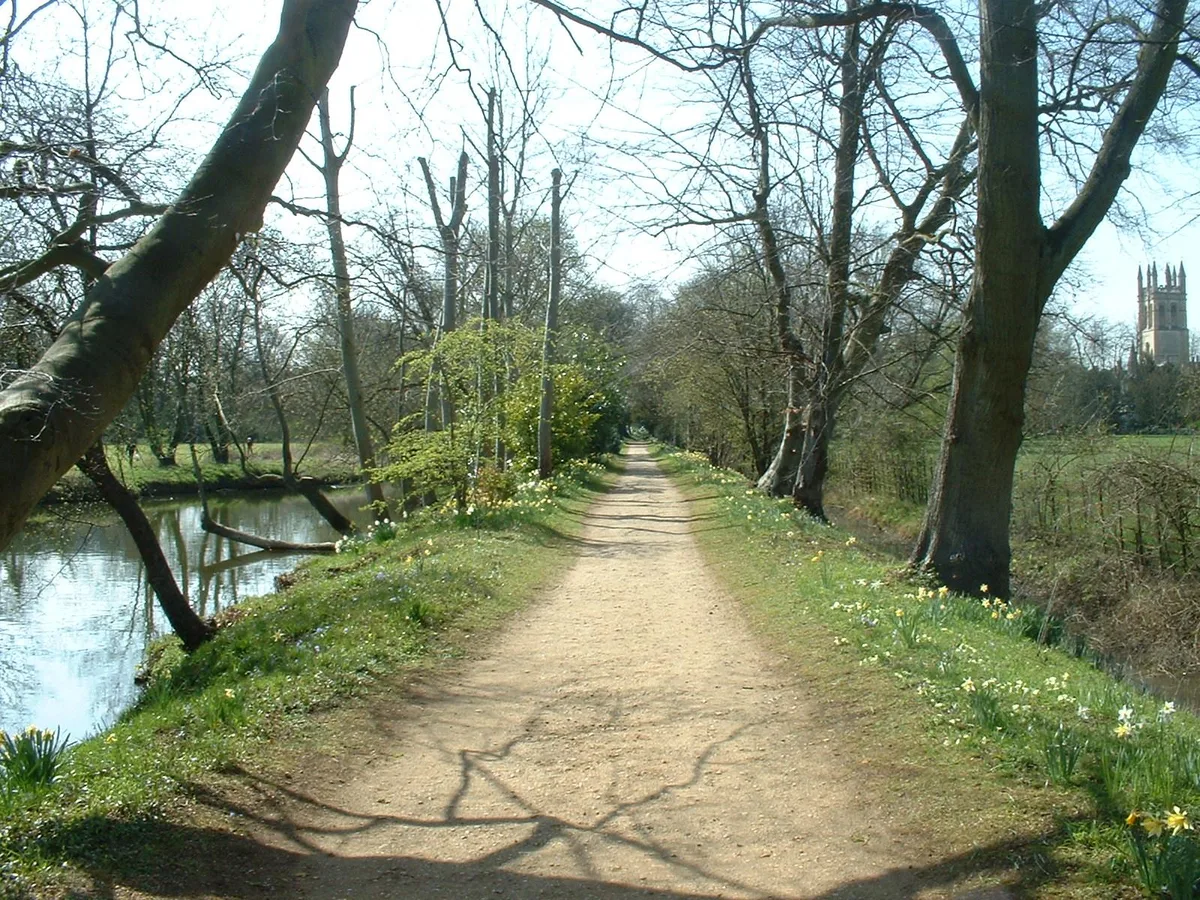
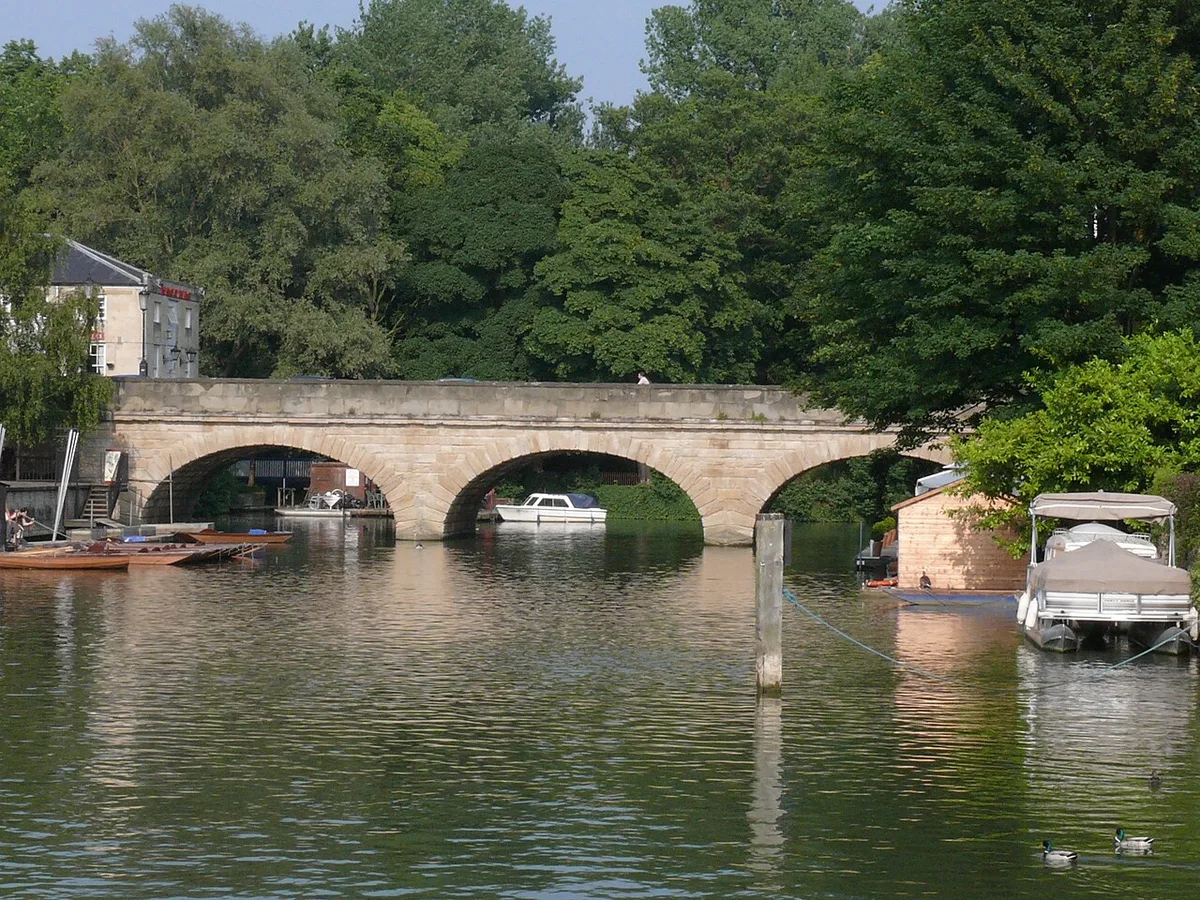
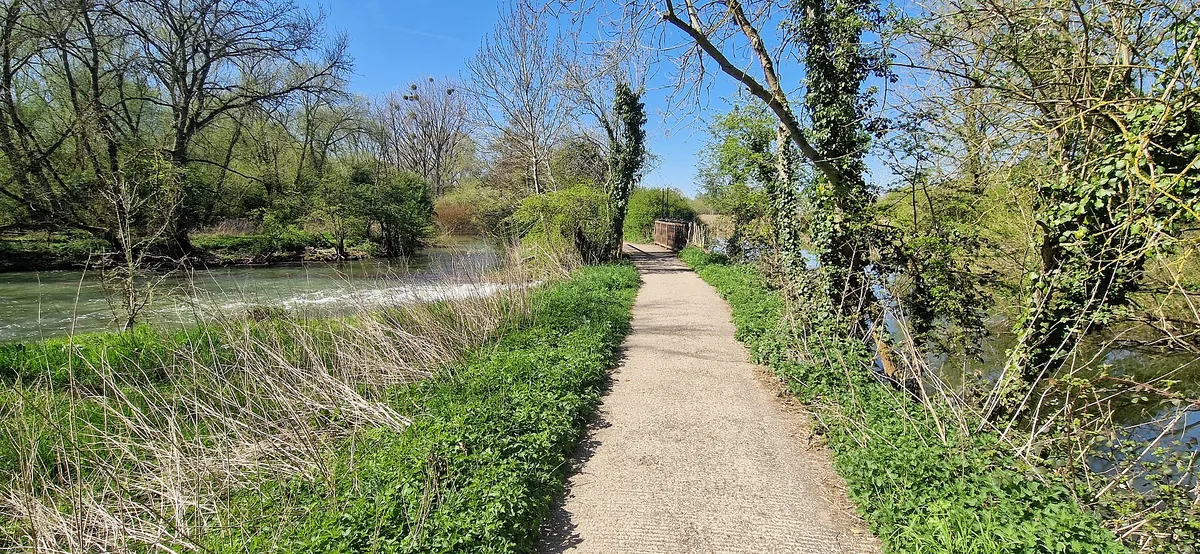
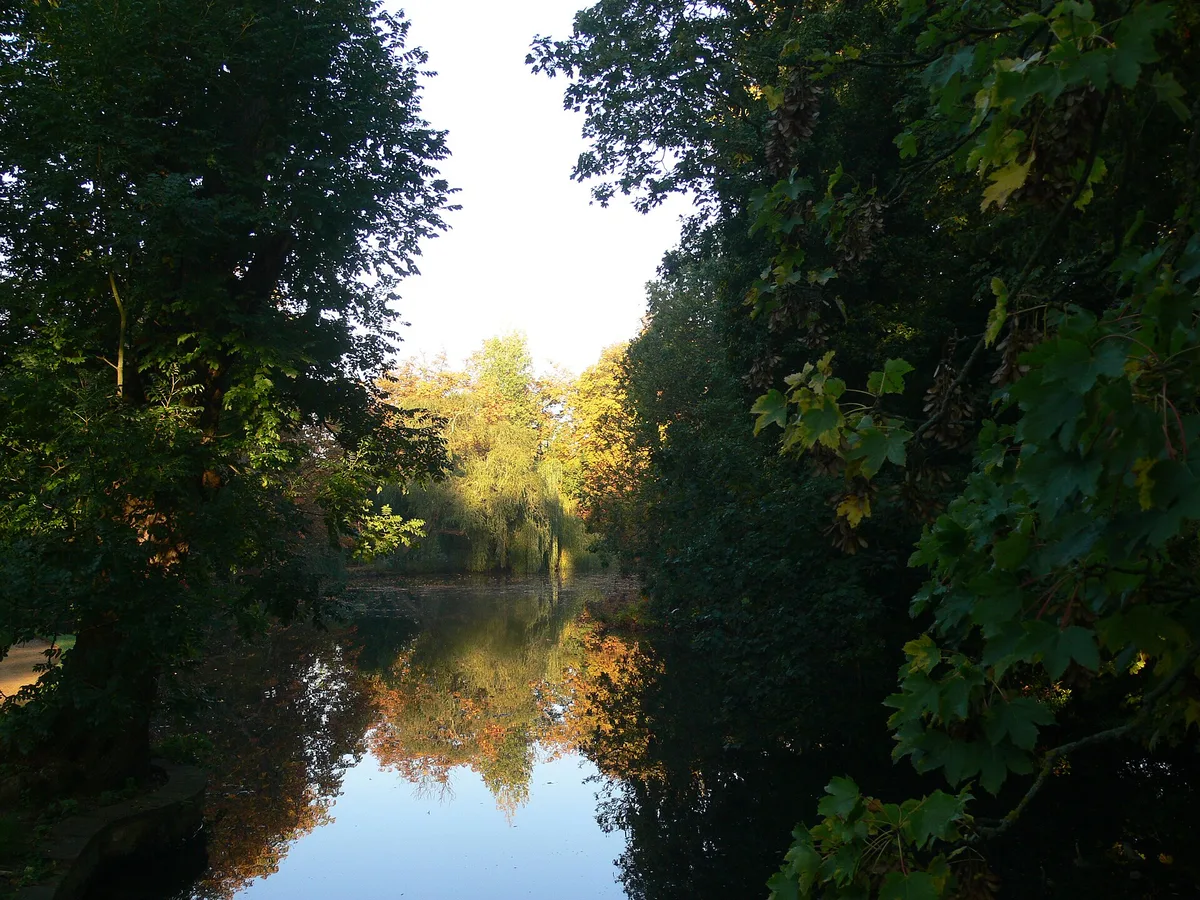
Cuando los ninos necesitan gastar energia, Port Meadow es una amplia pradera publica donde pueden correr, chapotear junto al Tamesis y ver caballos y vacas. El punting desde el Jardin Botanico por el rio Cherwell es ideal para ninos mayores, con aguas tranquilas y poco profundas junto al University Parks. El Covered Market gusta a todas las edades: las galletas de Ben's para sobornar a los pequenos, carniceros de verdad para preparar un picnic, y espacio de sobra bajo techo si cambia el tiempo.
Consejos practicos
- Rutas para cochecitos: El tramo de Broad Street al Natural History Museum es llano y amplio. El Covered Market tiene acceso sin barreras por la entrada de High Street. La mayoria de los patios de los colegios son de gravilla — un cochecito de ruedas grandes va bien, pero las sillitas tipo paraguas no tanto.
- Aseos: En el centro comercial Westgate, en Gloucester Green y en todos los museos. El Natural History Museum tiene cambiador de panales.
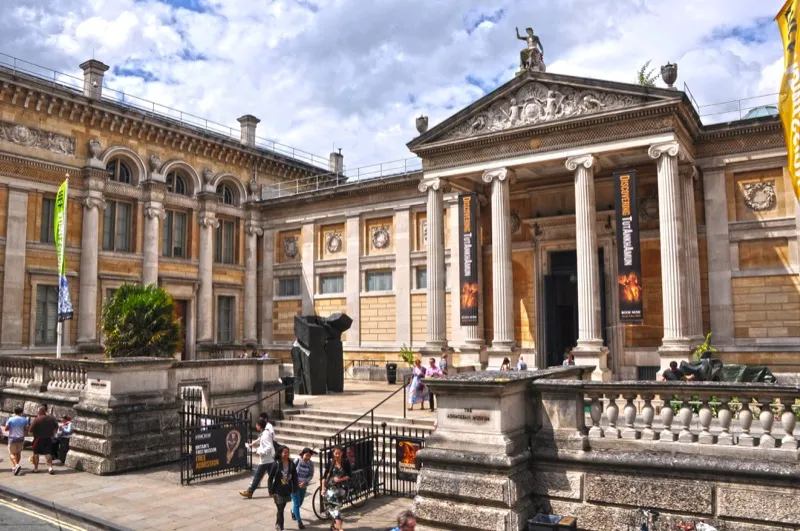
- Plan para dias de lluvia: El Natural History Museum y el Pitt Rivers (conectados entre si) dan para toda una manana. El Ashmolean Museum con su sala de Egipto y la cafeteria en la azotea es perfecto para la tarde. El Covered Market esta totalmente cubierto.
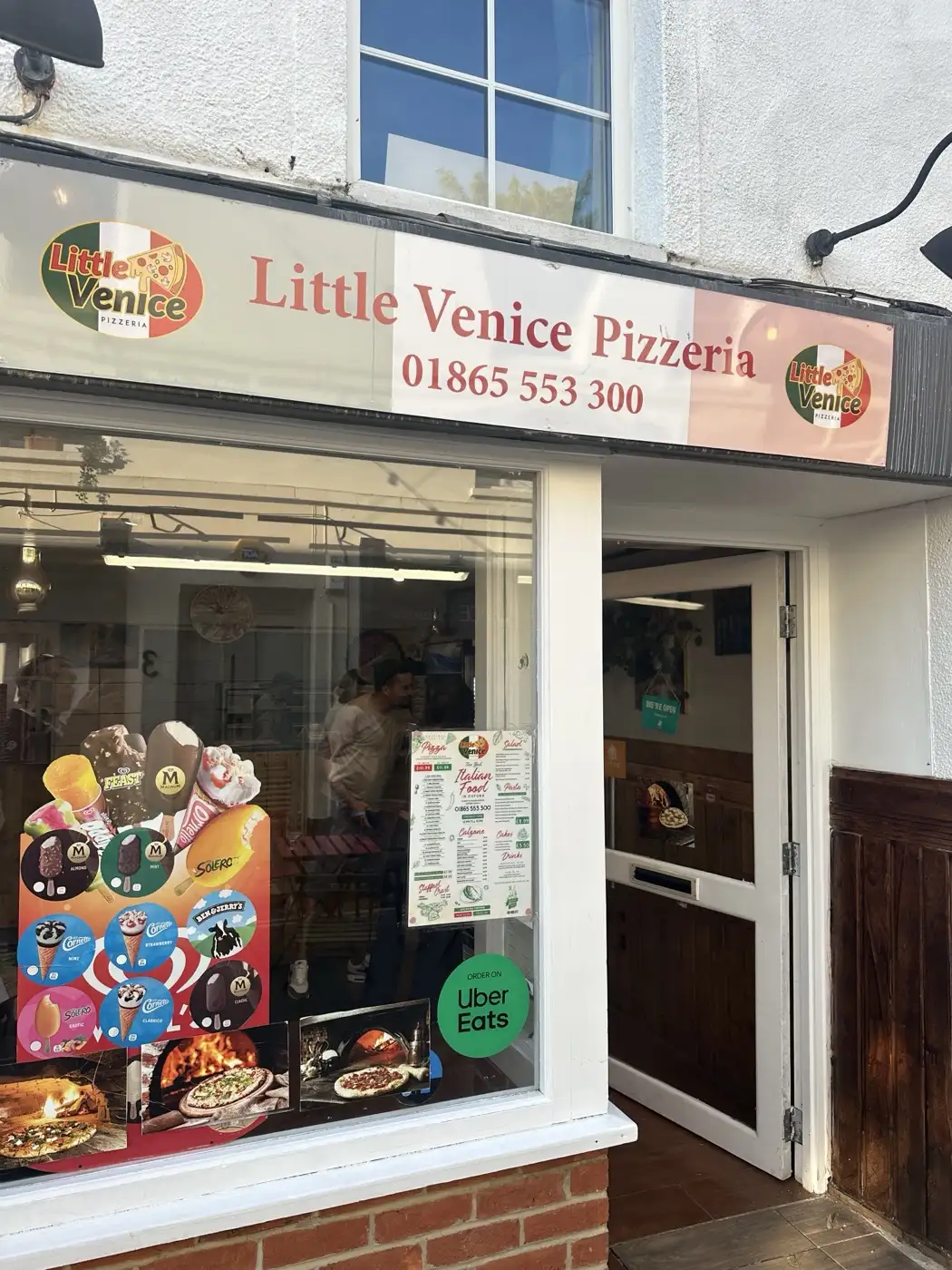
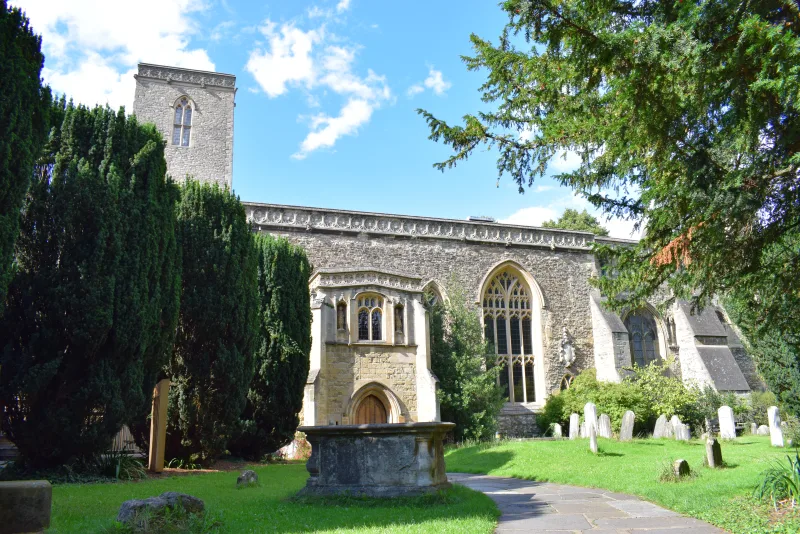
- Donde comer: Vaults and Garden (familias bienvenidas, mesas al aire libre en el patio de la iglesia), Atomic Burger (a los ninos les encanta la decoracion) y los puestos del Covered Market son buenas opciones familiares.