Rollright Stones
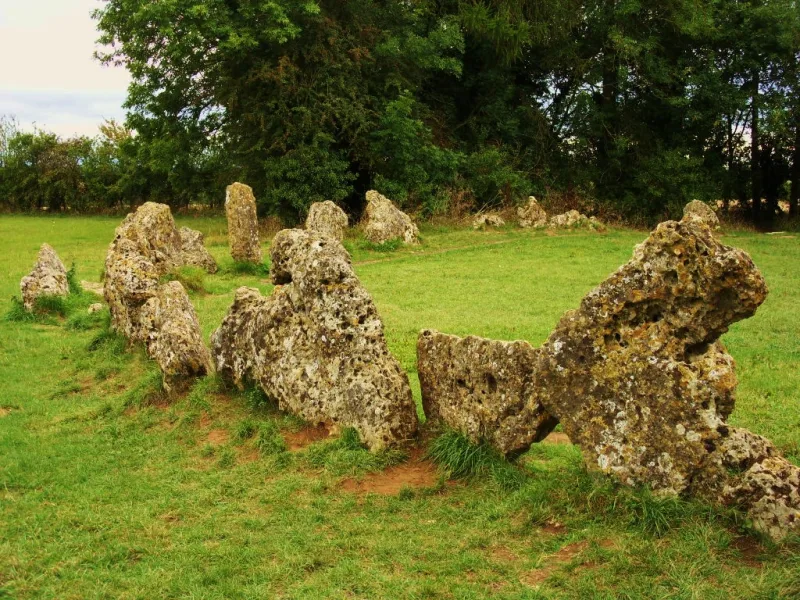
RecommendedA 4,500-year-old stone circle on the Oxfordshire–Warwickshire border, with an older Neolithic burial dolmen and a probable Bronze Age standing stone — the most accessible major prehistoric site within reach of Oxford.
6 entries across places, people, and walks.
A 4,500-year-old stone circle on the Oxfordshire–Warwickshire border, with an older Neolithic burial dolmen and a probable Bronze Age standing stone — the most accessible major prehistoric site within reach of Oxford.
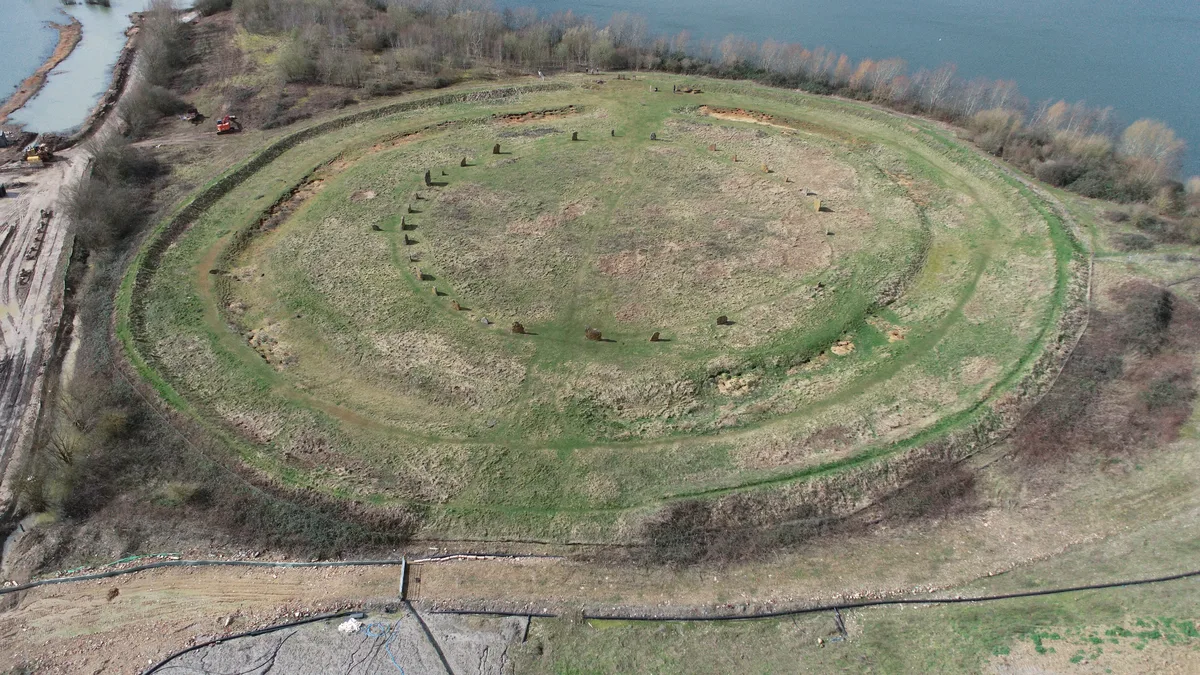
A Late Neolithic henge and stone circle at Stanton Harcourt, levelled by a wartime airfield, then chewed by gravel quarrying, then reconstructed almost from scratch between 2002 and 2008.
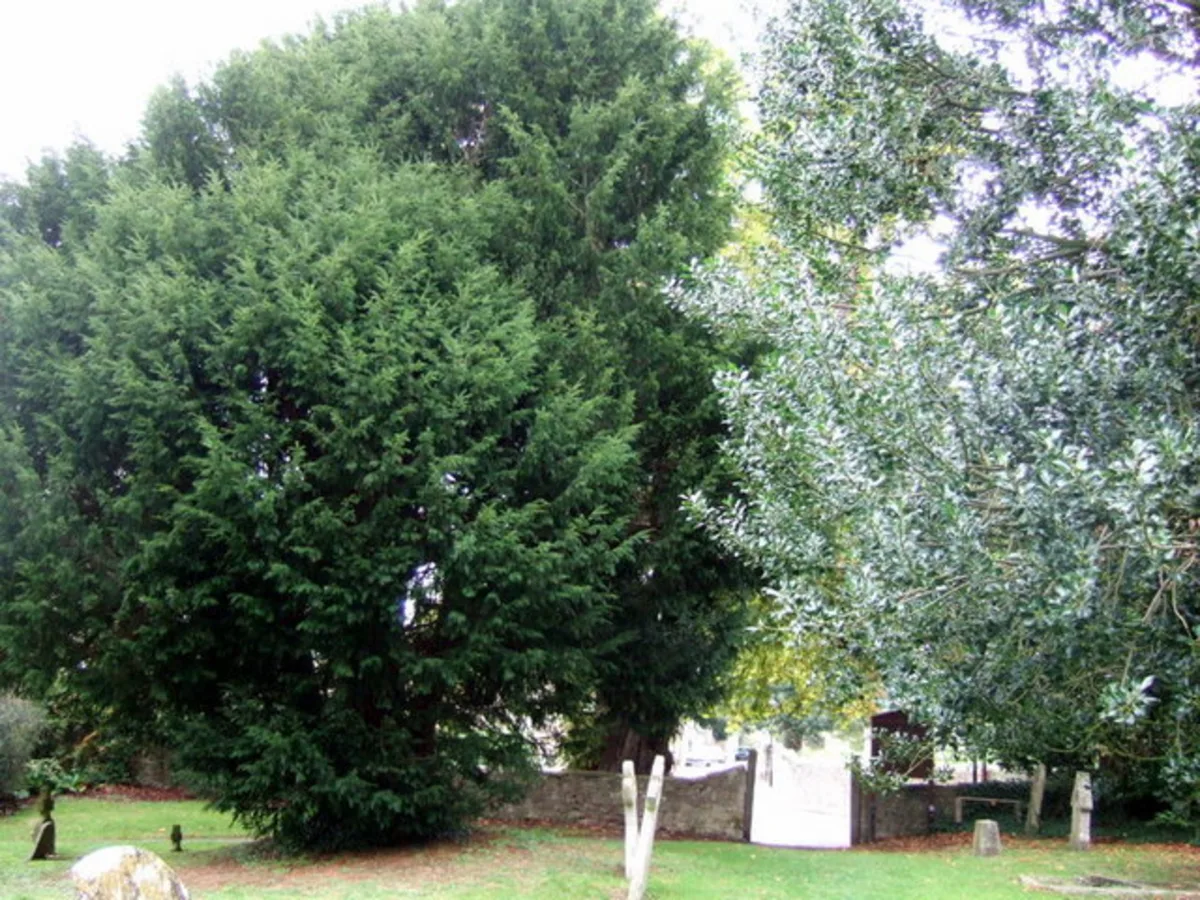
An ancient yew at the entrance to one of England's finest Norman churches — paired inside by John Piper's Tree of Life and Roger Wagner's Flowering Tree windows.
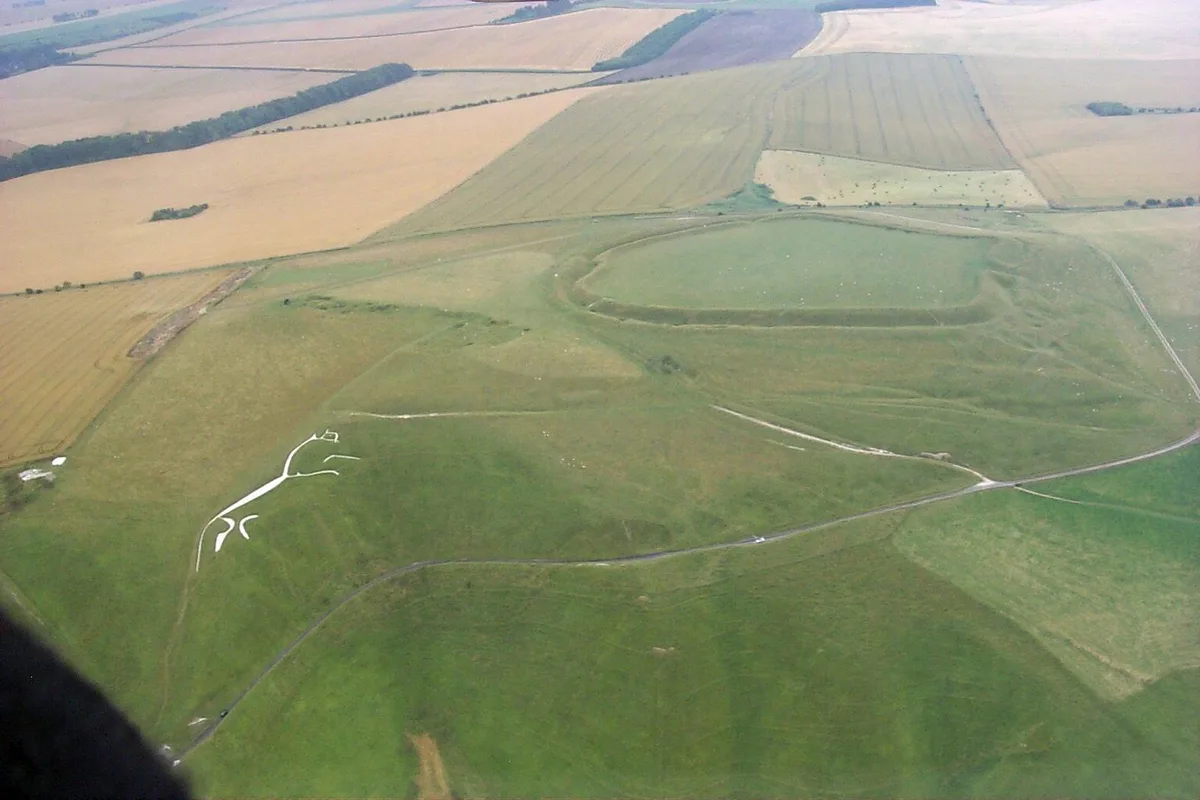
Britain's oldest chalk hill figure — a 110-metre stylised horse cut into the Berkshire Downs scarp at some point between 1380 and 550 BC, scoured and re-chalked by villagers for at least three thousand years.
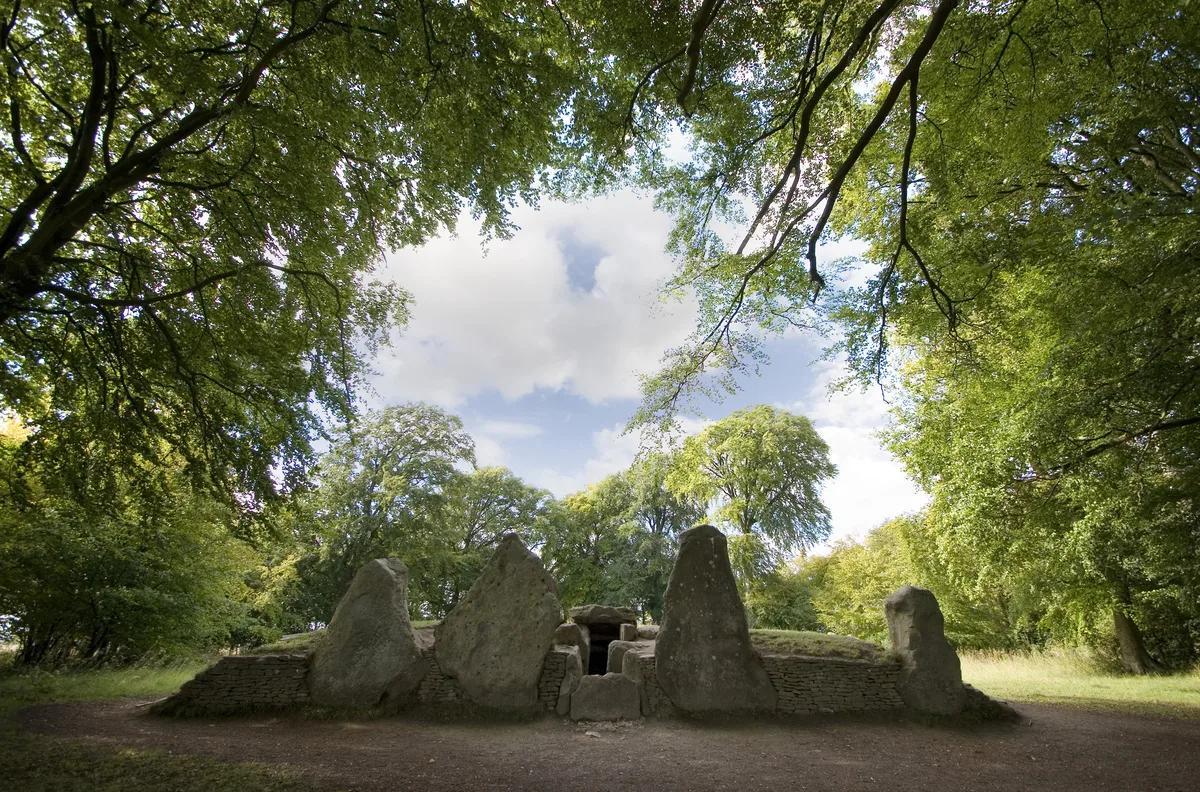
An Early Neolithic chambered long barrow on the Ridgeway, completed around 3430 BCE — among Britain's best-preserved Severn-Cotswold tombs and a long day's walk from the Uffington White Horse.
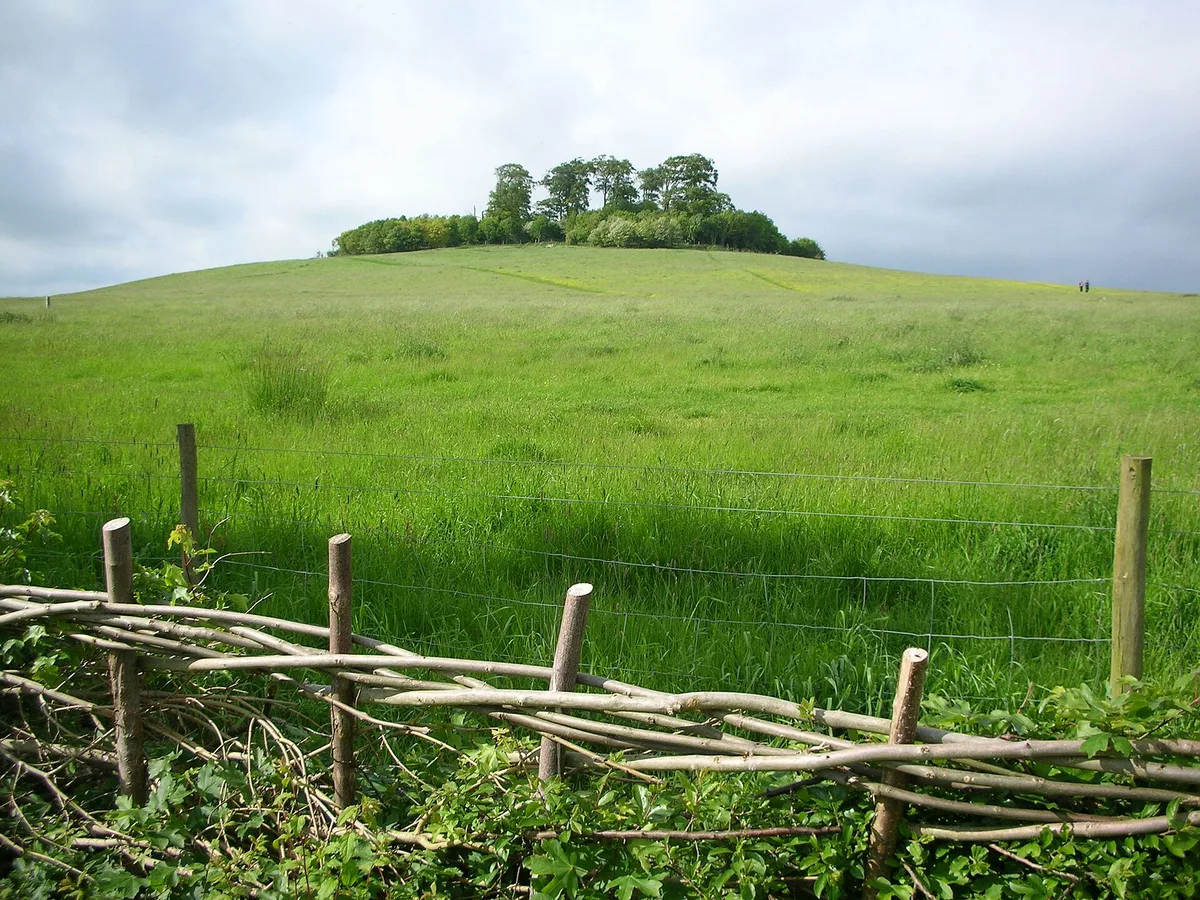
Two wooded chalk hills above the Thames Valley, the most visited outdoor site in Oxfordshire — Iron Age hillfort, Roman villa, beech plantings from the 1740s, and the view that haunted Paul Nash for thirty years.