Christ Church Cathedral
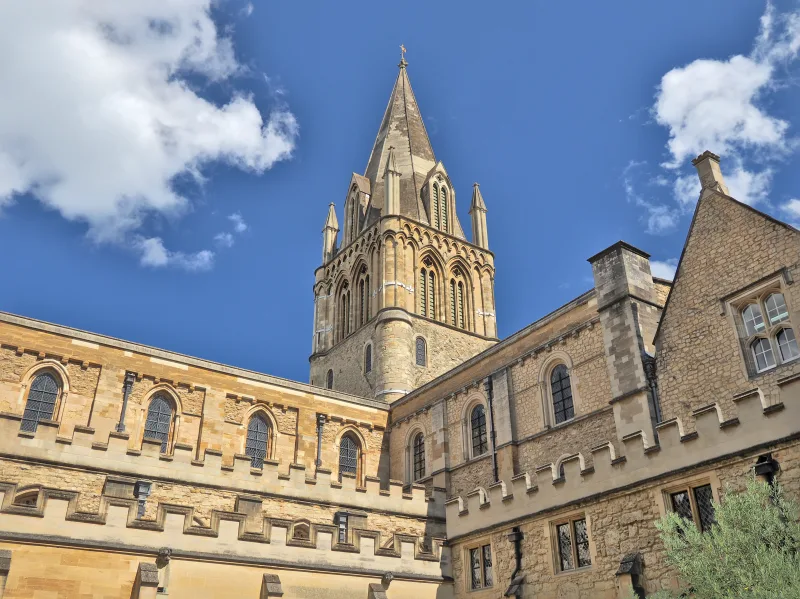
RecommendedThe smallest cathedral in England and the only one that is also a college chapel. Norman bones, a 14th-century Becket window that survived the Reformation, and five Burne-Jones windows.
12 entries across places, people, and walks.
The smallest cathedral in England and the only one that is also a college chapel. Norman bones, a 14th-century Becket window that survived the Reformation, and five Burne-Jones windows.
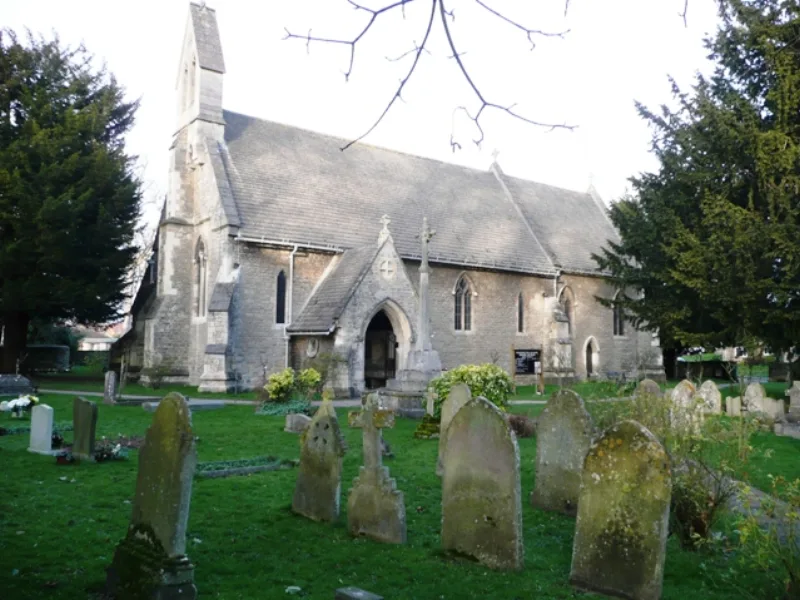
C. S. Lewis's parish church from 1930 to his death in 1963 — designed by George Gilbert Scott, built 1848 to 1849 for the quarry workers of Headington Quarry, with a 1991 Narnia window in the north aisle and the Lewis brothers buried in the churchyard.
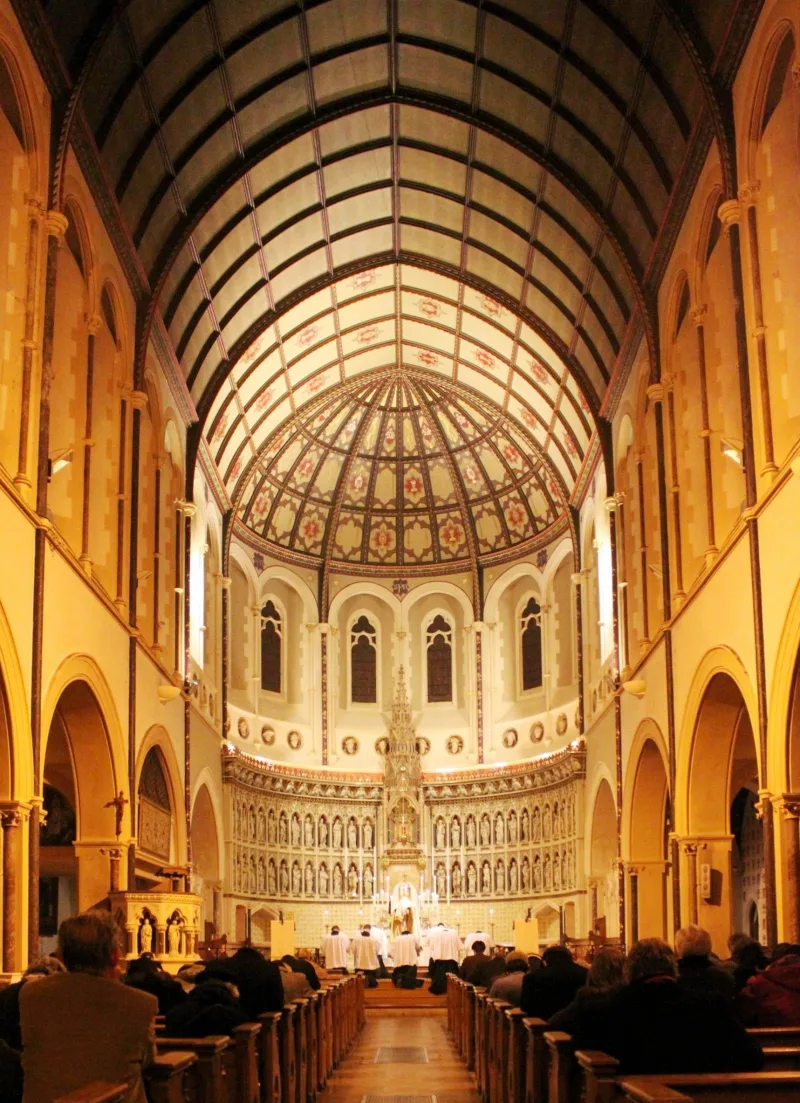
The Catholic parish church for central Oxford — completed in 1875 as a Jesuit foundation, taken over by the Birmingham Oratory in 1990, with a shrine to St John Henry Newman, restored Pippet murals, and a parish history that includes Gerard Manley Hopkins.
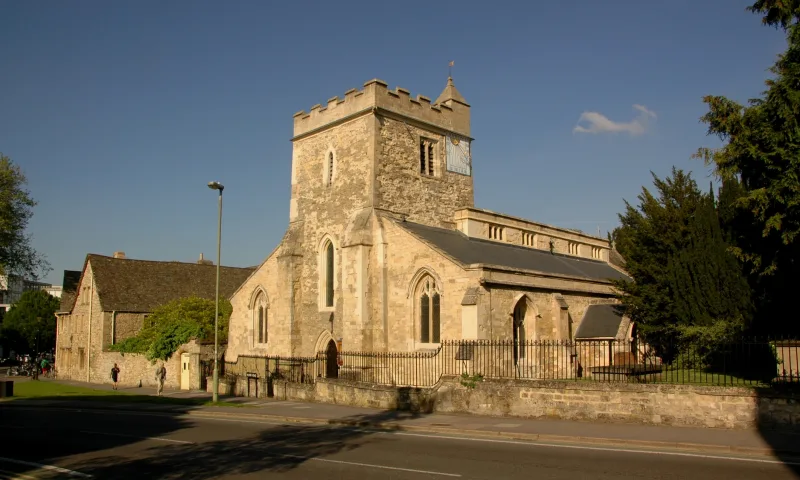
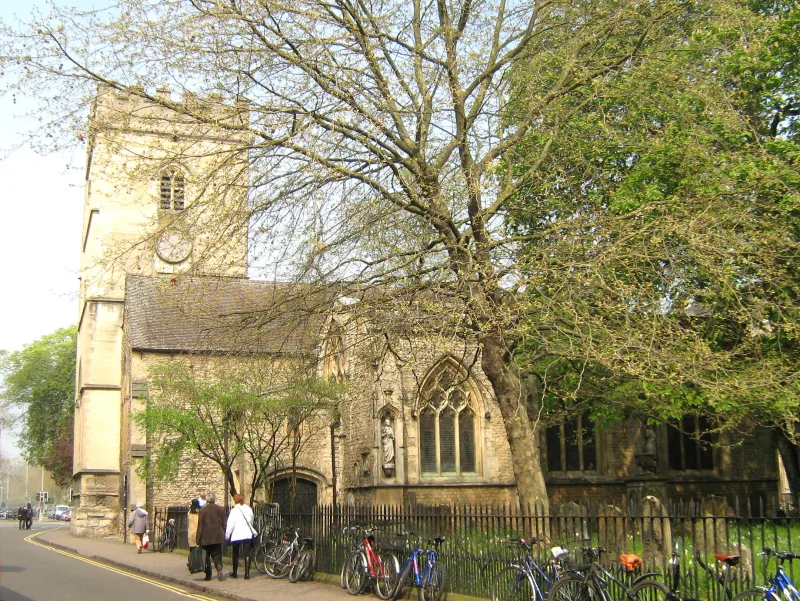
The 12th-century parish church opposite [Christ Church](/places/colleges/christ-church/) and next door to [Pembroke College](/places/colleges/pembroke/) — Saxon roots, a 13th-century tower rebuilt in 1873, and a glass vestibule opening onto St Aldate's.
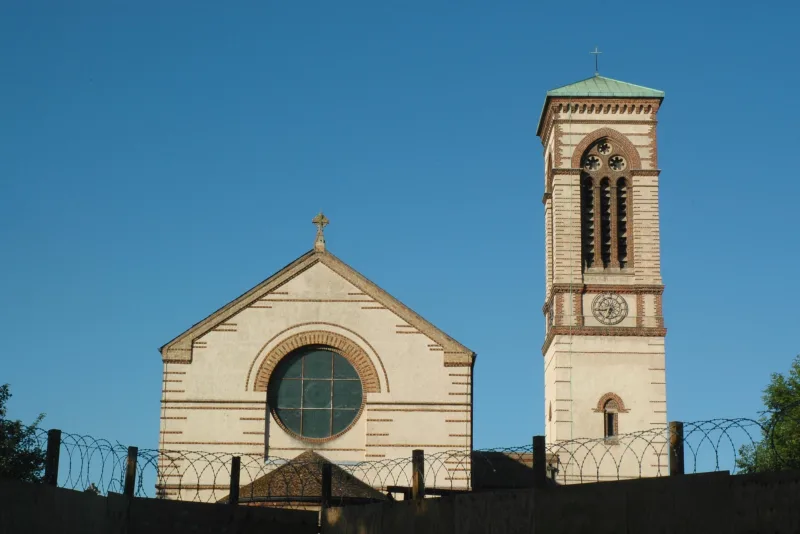
Jericho's Romanesque basilica — informally known as the 'Oxford Basilica' — built in 1869 by Sir Arthur Blomfield for Thomas Combe of OUP, modelled on San Clemente in Rome and the Ravenna basilicas, with an Italianate campanile visible across the canal.
A Grade I-listed Norman parish church on St Cross Road, closed in October 2008 and reopened in 2011 as Balliol College's Historic Collections Centre — and the church where, in fiction, Lord Peter Wimsey married Harriet Vane.
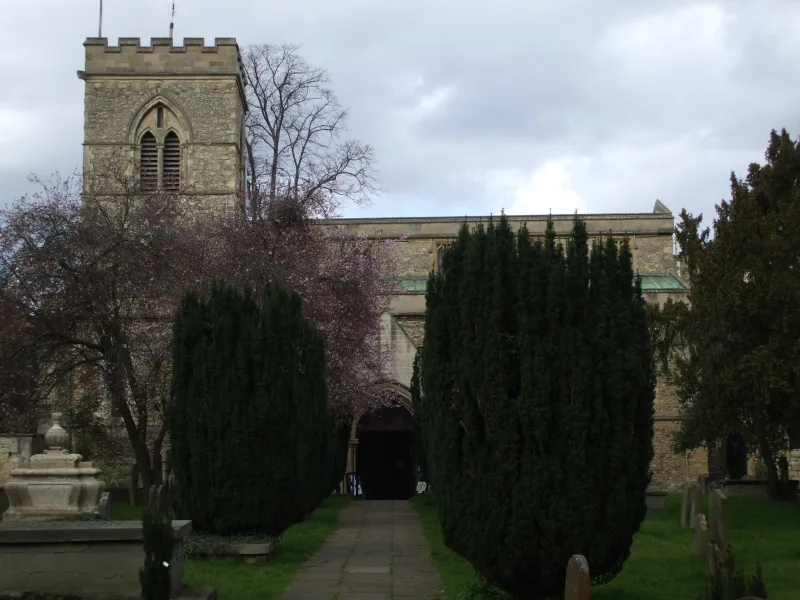
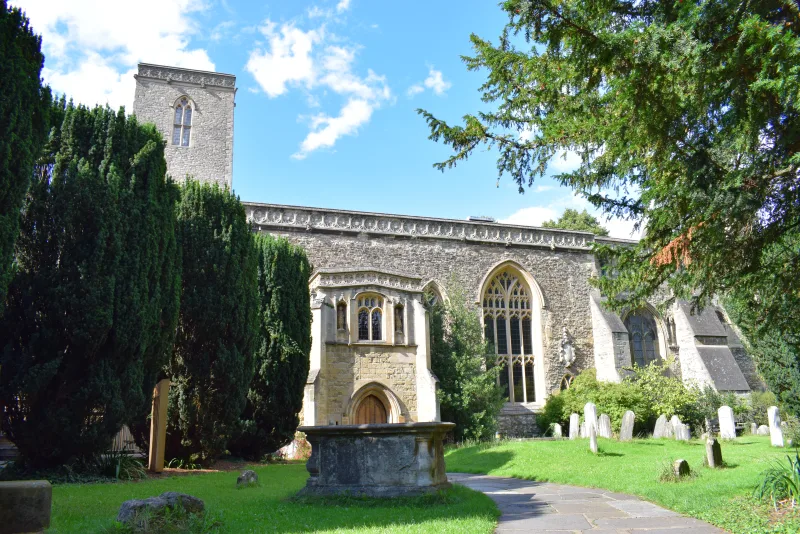
The Norman parish church at the northern head of St Giles', finished in 1120 and consecrated in 1200 by St Hugh of Lincoln — the consecration that gave Oxford [St Giles' Fair](/places/streets/st-giles/).
A Grade I-listed ancient parish church on Magdalen Street, with Saxon origins, work by Saint Hugh of Lincoln in 1194, and Oxford's first Gothic Revival interior — George Gilbert Scott's 1841 Martyrs' Aisle, complementing the [Martyrs' Memorial](/places/landmarks/martyrs-memorial/) immediately to the north.
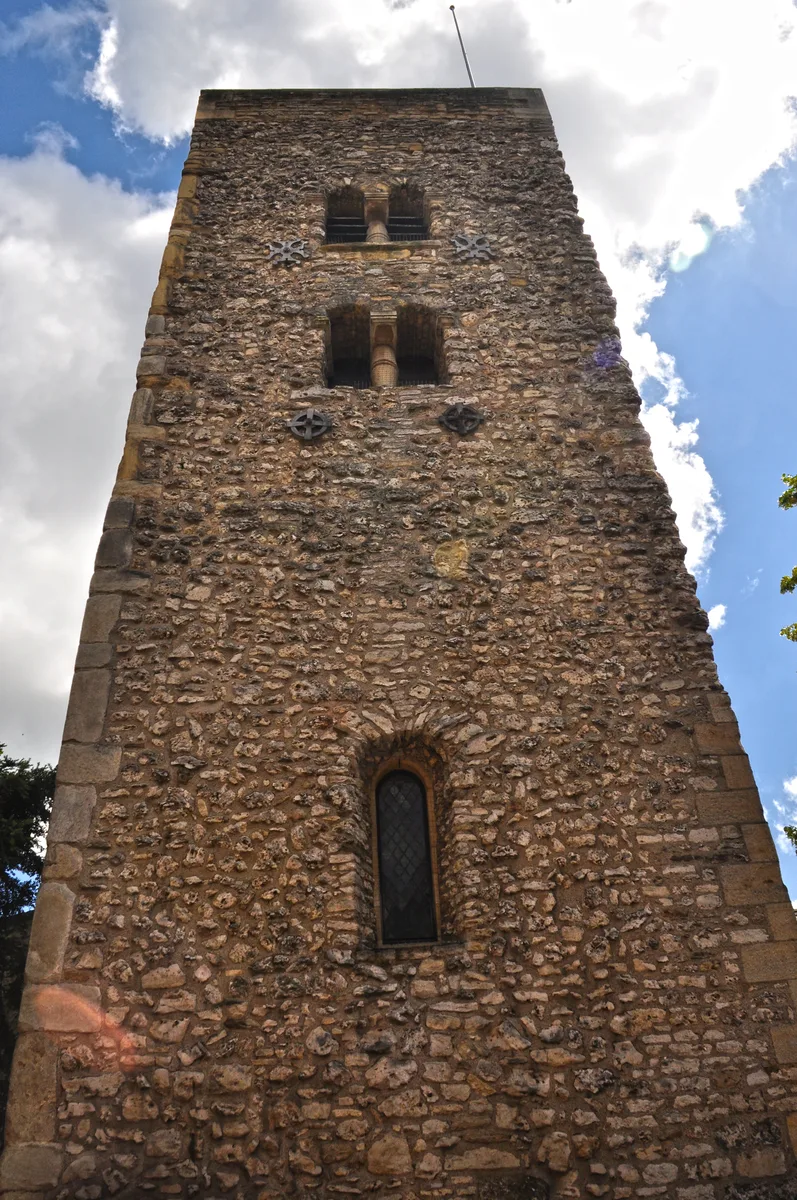
The Anglo-Saxon tower at the head of Cornmarket — c.1040, the oldest standing building in Oxford. The Bocardo Prison cell door behind which Cranmer, Latimer and Ridley were held in 1555-56 is preserved in the tower.
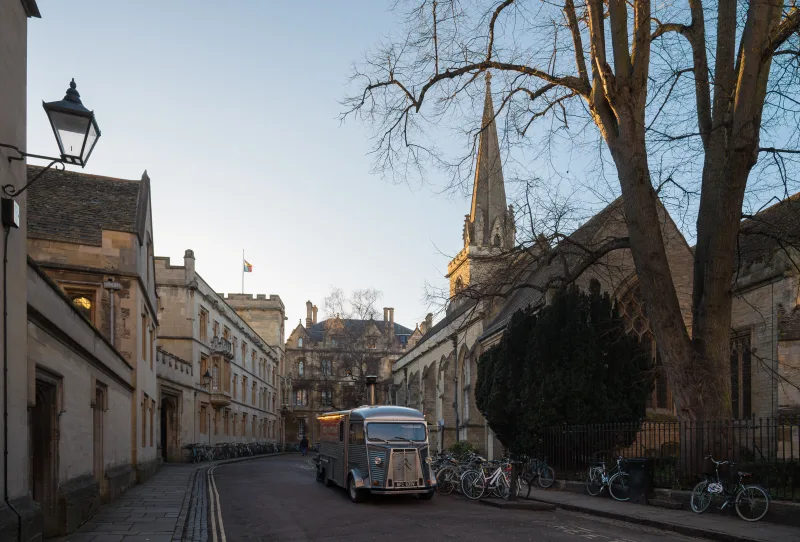
A 12th-century church on Queen's Lane, deconsecrated in the 1970s and now the library of [St Edmund Hall](/places/colleges/st-edmund-hall/) — with a small garden churchyard, a bronze statue of St Edmund as an impoverished student, and a Domesday Book mention from c.1085.
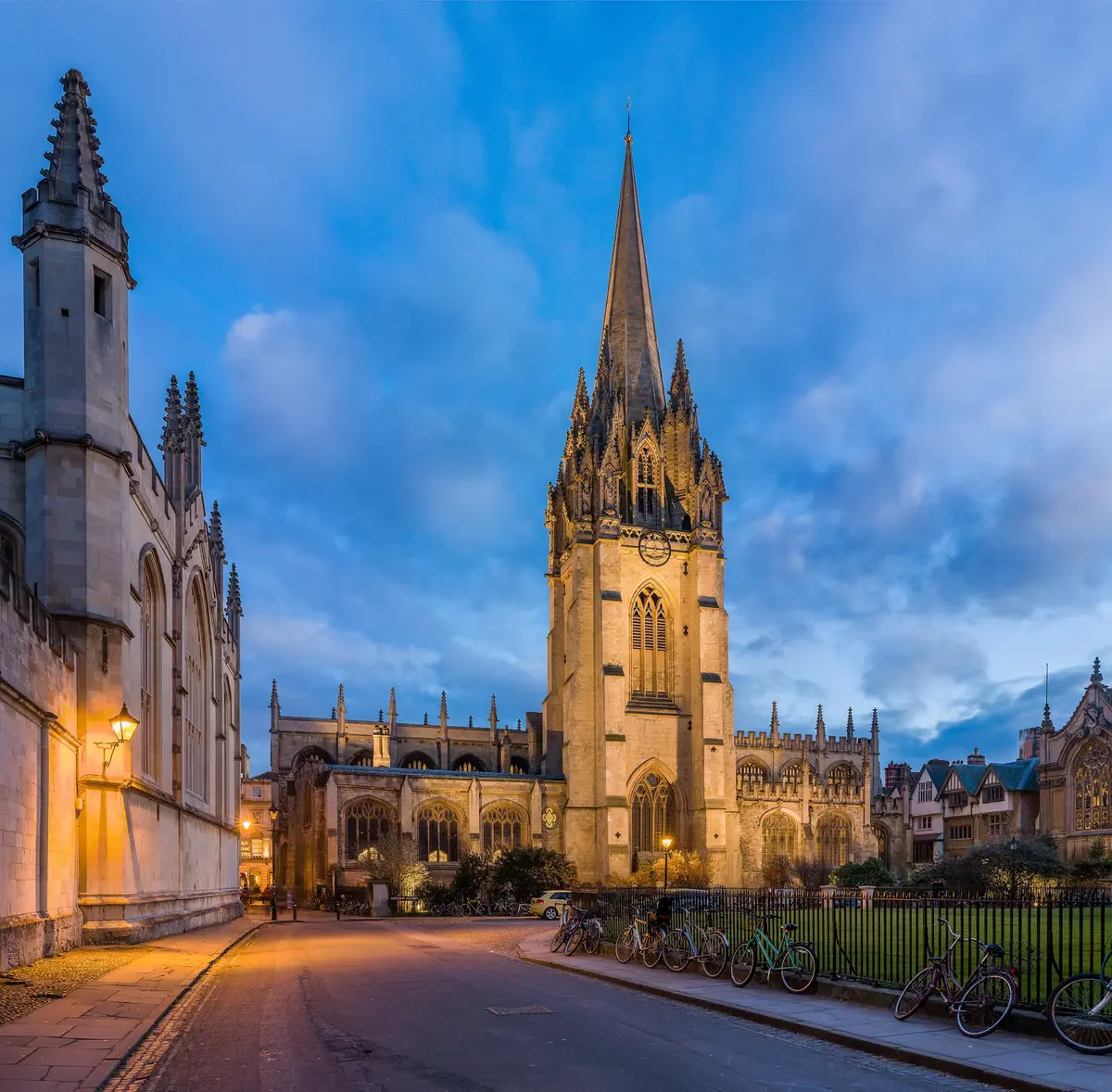
The University's church on the High Street, with one of the best tower views in Oxford and a 13th-century spire.
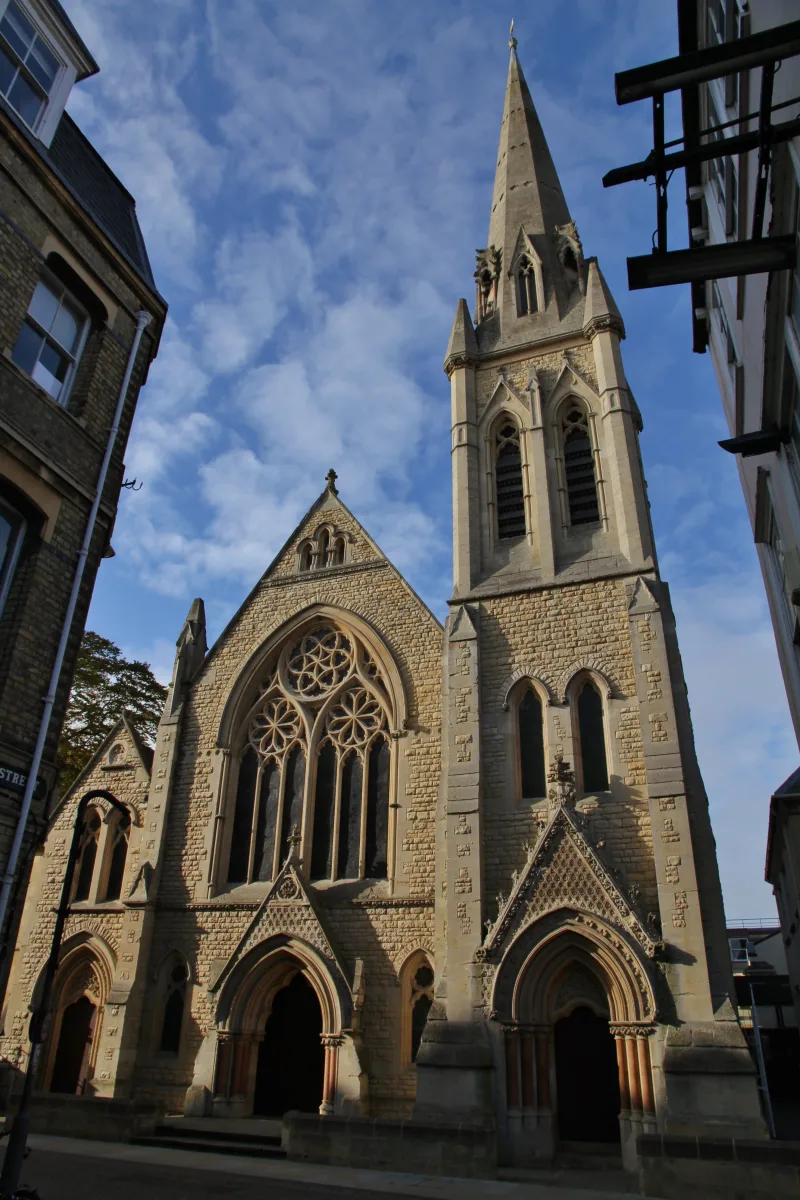
Central Oxford's Methodist church — the present Gothic Revival building was opened in 1878 by Charles Bell, on a street where John Wesley preached on 4 July 1783.