Oxford Castle & Prison
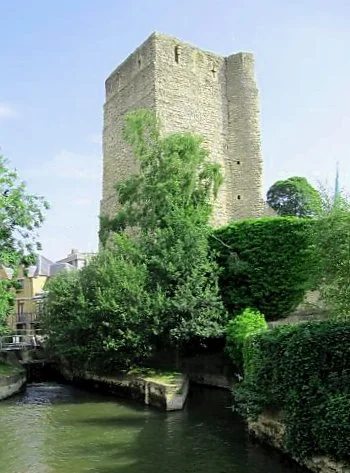
RecommendedNorman castle (1071) and former Victorian prison — the medieval mound, St George's Tower, and 1,000 years of overlapping use.
10 entries across places, people, and walks.
Norman castle (1071) and former Victorian prison — the medieval mound, St George's Tower, and 1,000 years of overlapping use.
A short central-Oxford loop through the locations of Philip Pullman's His Dark Materials, ending at the bench in the Botanic Garden where Lyra and Will keep their promise.
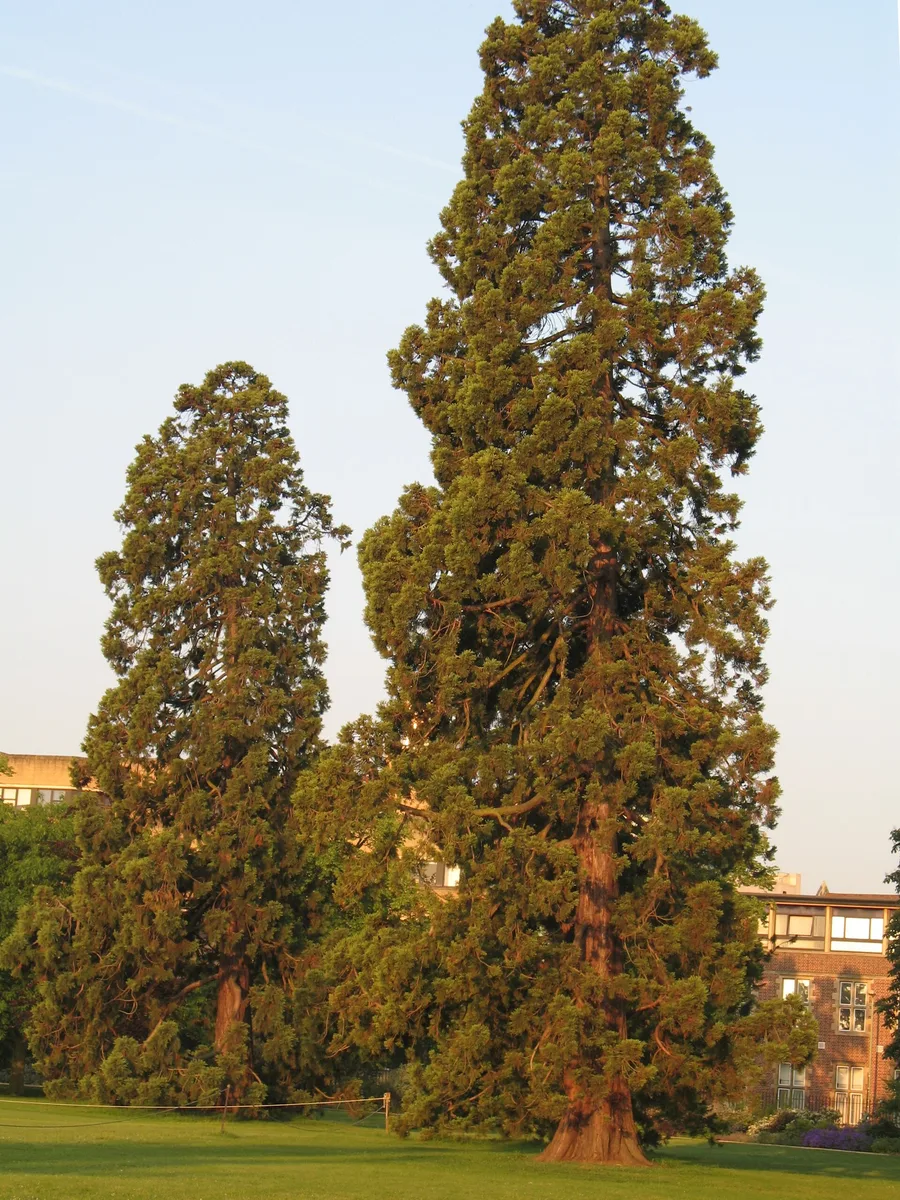
The Parks' northern boundary path leads past a Victorian cluster of giant sequoias and the tallest Caucasian elm in the country — structural, year-round, easy on the legs.
South Oxford's neighbourhood parkrun — compact, friendly, and close to the city centre.
Oxford's most central parkrun — Saturday mornings inside the University's own park, two minutes from the science labs.
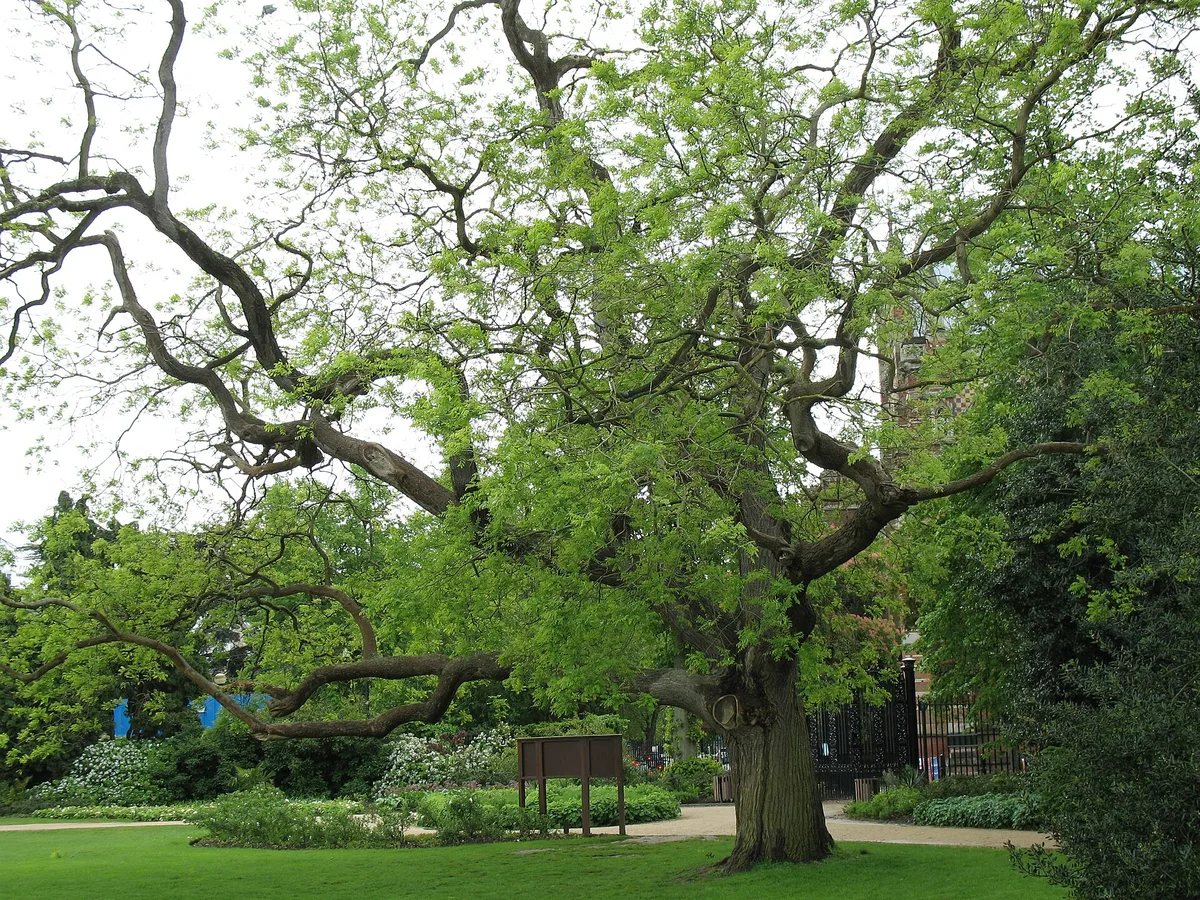
The Parks' Victorian centrepiece: a Japanese Pagoda Tree planted in 1888, now a sprawling, broad-canopied specimen on the western boundary path.
A single tree as the whole point of a walk: a Weeping Beech, first cultivated in 1836, whose drooping limbs touch the ground, root, and grow again — making one tree feel like a small grove.
The Parks' autumn walk: the western bank of the Cherwell with a Scarlet Oak whose foliage turns deep red in October, with onward access onto Mesopotamia.
The Parks' summer walk: a Tulip Tree flowering in June and July, an Indian Bean Tree dropping cigar-shaped seed pods, and a scarce Bee-bee Tree from Korea and China that scents the air in late summer.
The Parks' May walk: over thirty varieties of hawthorn flowering together along a single boundary path — the kind of botanical density you only get inside a working University collection.