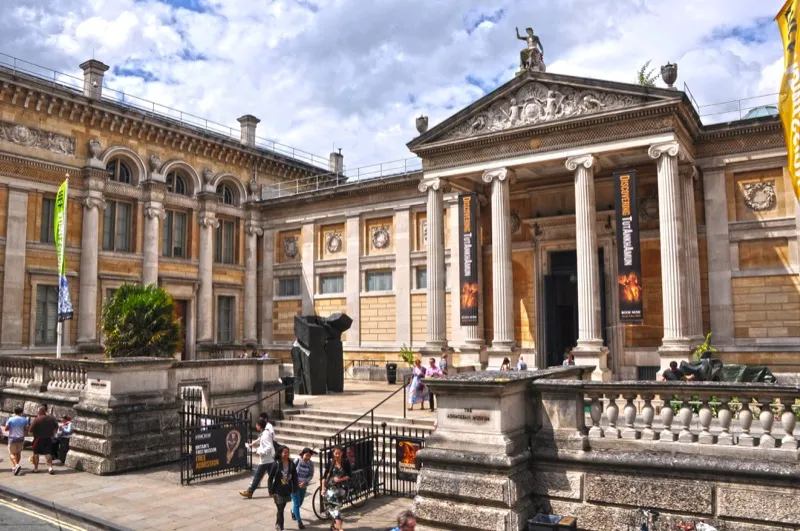
Ashmolean Museum
Recommended
Museum
City Centre
The world's first university museum — free, with major collections of art and archaeology.
35 entries across places, people, and walks.
The world's first university museum — free, with major collections of art and archaeology.
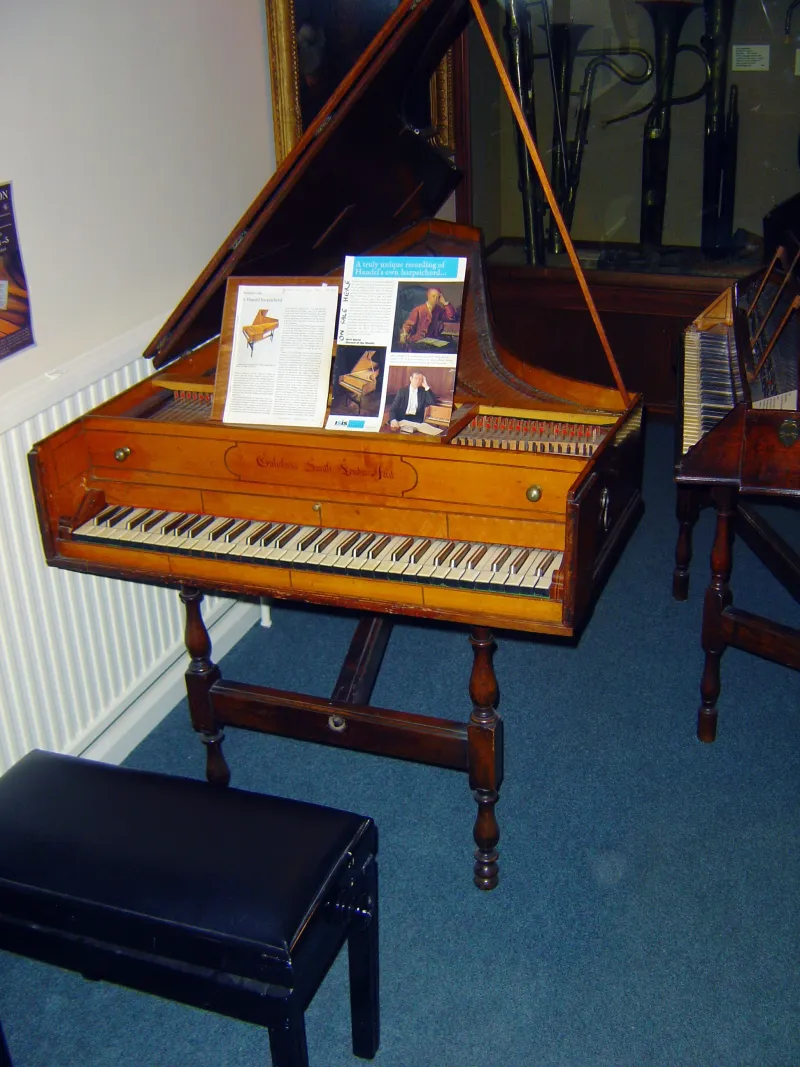
A specialist collection of historical musical instruments, from medieval to modern.
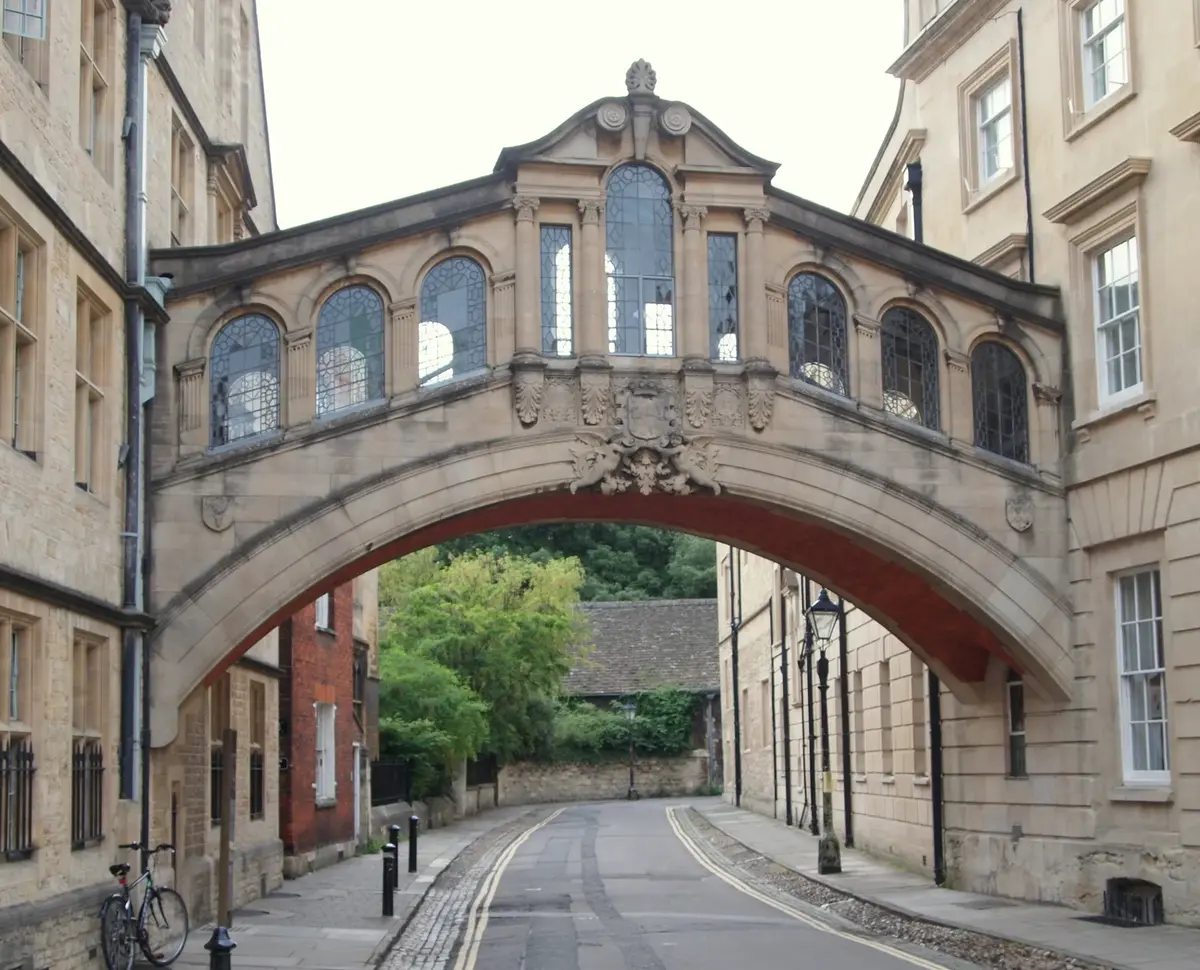
Hertford College's skyway over New College Lane, completed in 1914 and known as the Bridge of Sighs.
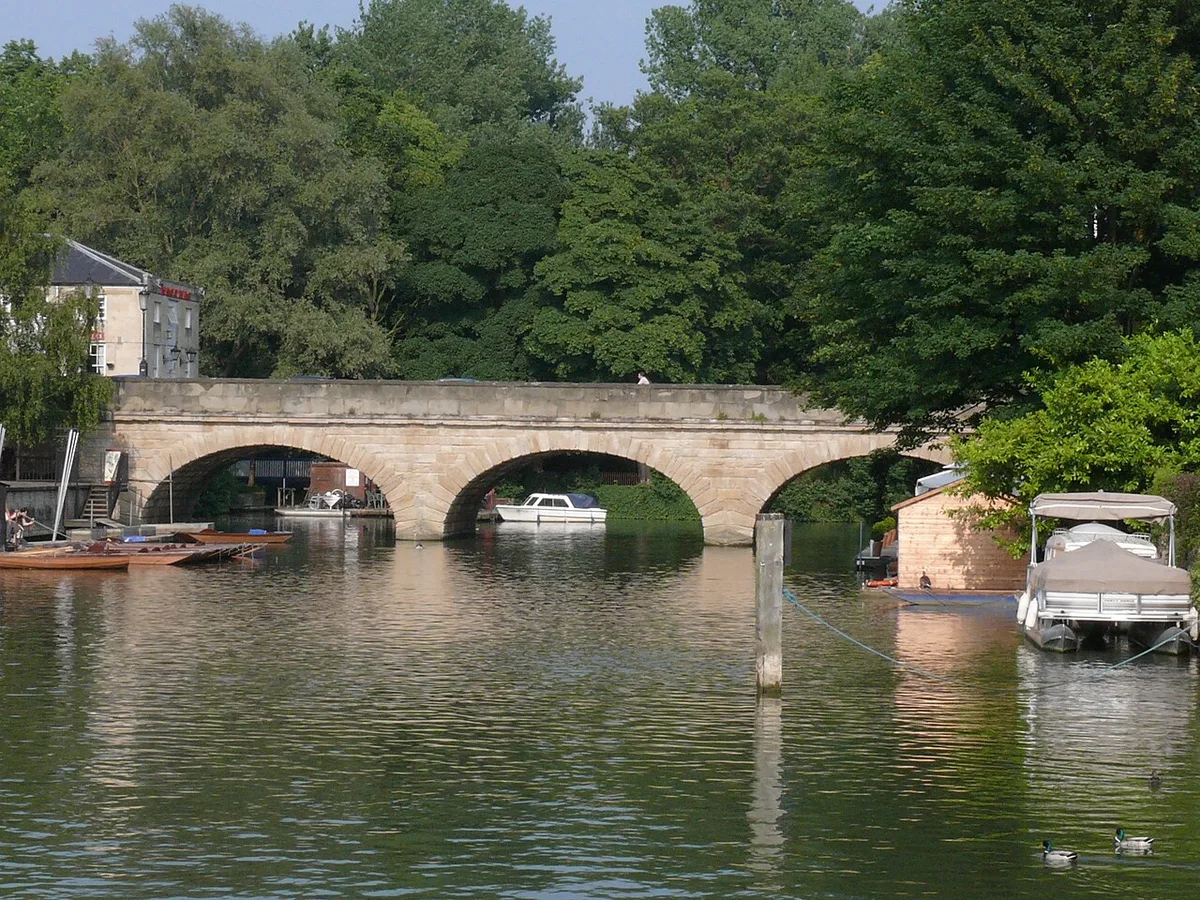
The 1825 stone bridge at the south end of St Aldate's, Grade I listed and standing on the site of an oxen-ford that gave Oxford its name. The boat that became *Alice in Wonderland* set off from here on 4 July 1862.
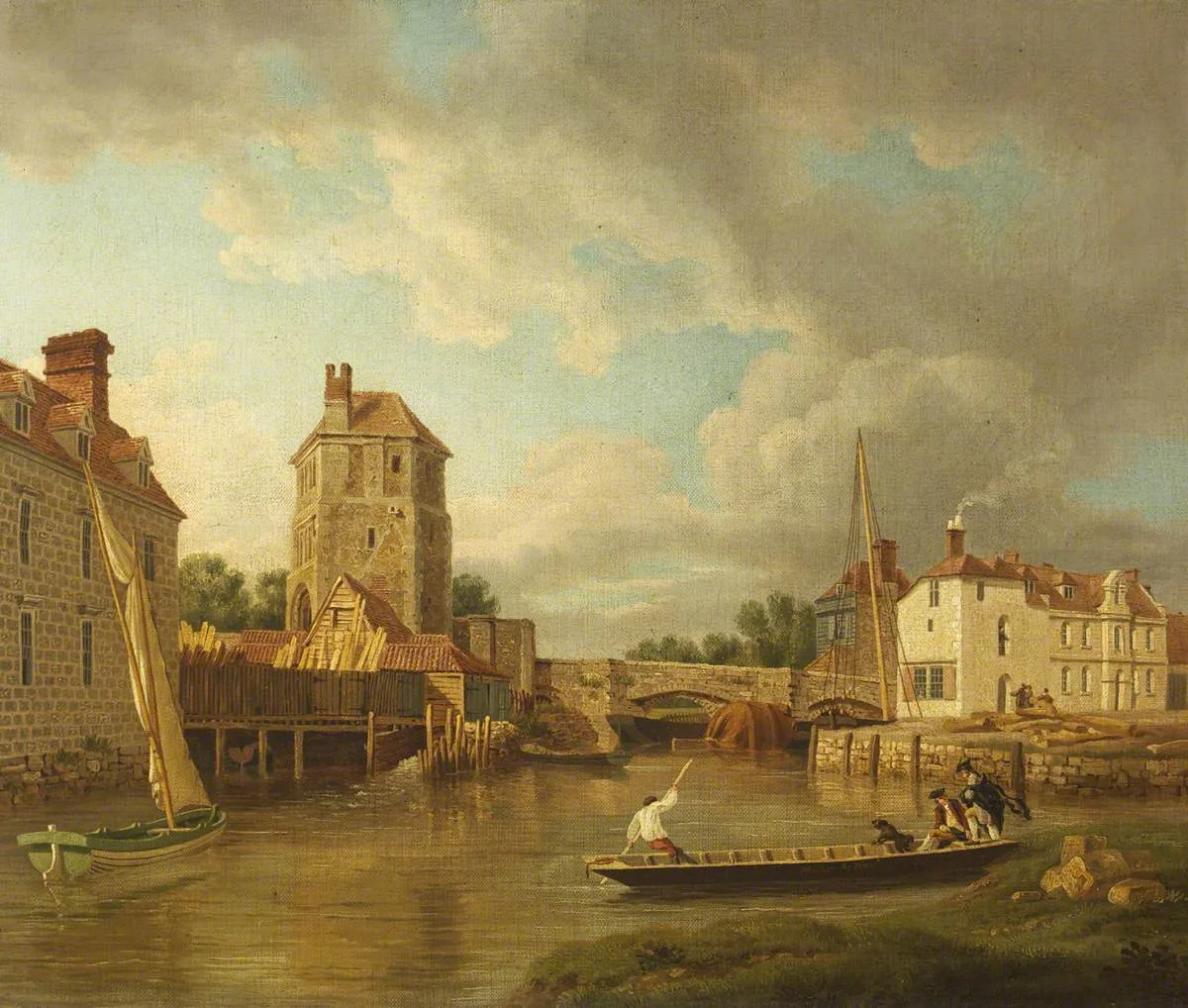
A medieval tower at the north end of Folly Bridge, demolished 1779. The 13th-century Franciscan friar Roger Bacon — one of the earliest European advocates of the scientific method — is said to have lived and worked here.
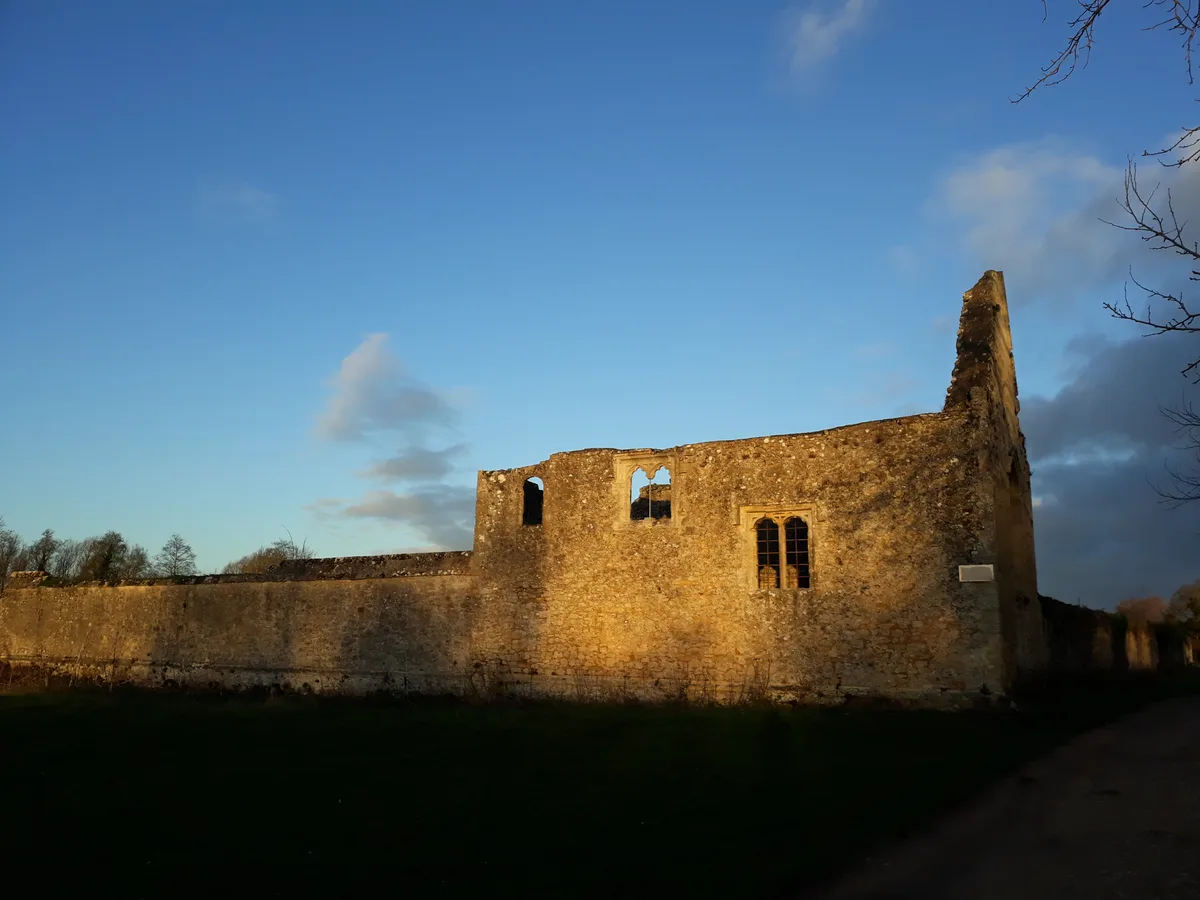
A Benedictine nunnery founded in 1133 on an island in the Thames; the burial place of Henry II's mistress Rosamund Clifford until a bishop ordered her tomb thrown out of the church in 1191. Suppressed in 1539, ruined in the Civil War, painted by the Pre-Raphaelites, picnicked over by Lewis Carroll.
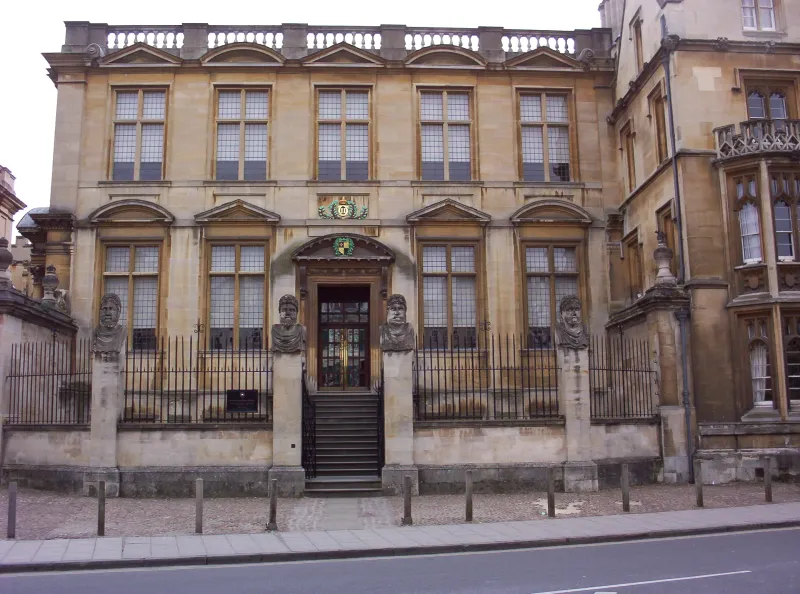
Scientific instruments from antiquity to the early 20th century, in the oldest purpose-built museum building still standing.
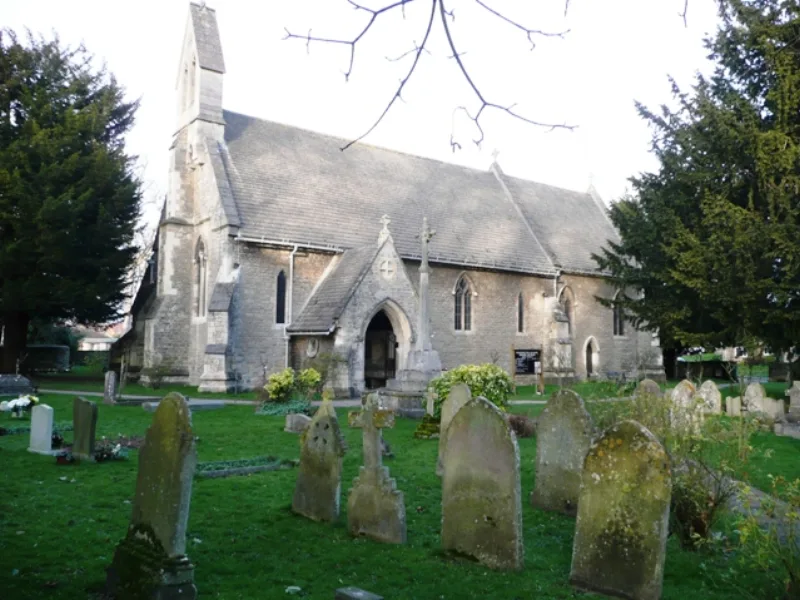
C. S. Lewis's parish church from 1930 to his death in 1963 — designed by George Gilbert Scott, built 1848 to 1849 for the quarry workers of Headington Quarry, with a 1991 Narnia window in the north aisle and the Lewis brothers buried in the churchyard.

Victorian cemetery established in 1847 on Merton College land. The resting place of Kenneth Grahame, Walter Pater, Charles Williams and the Mad Hatter's reputed model — now a wildlife refuge with muntjac deer and pheasants.
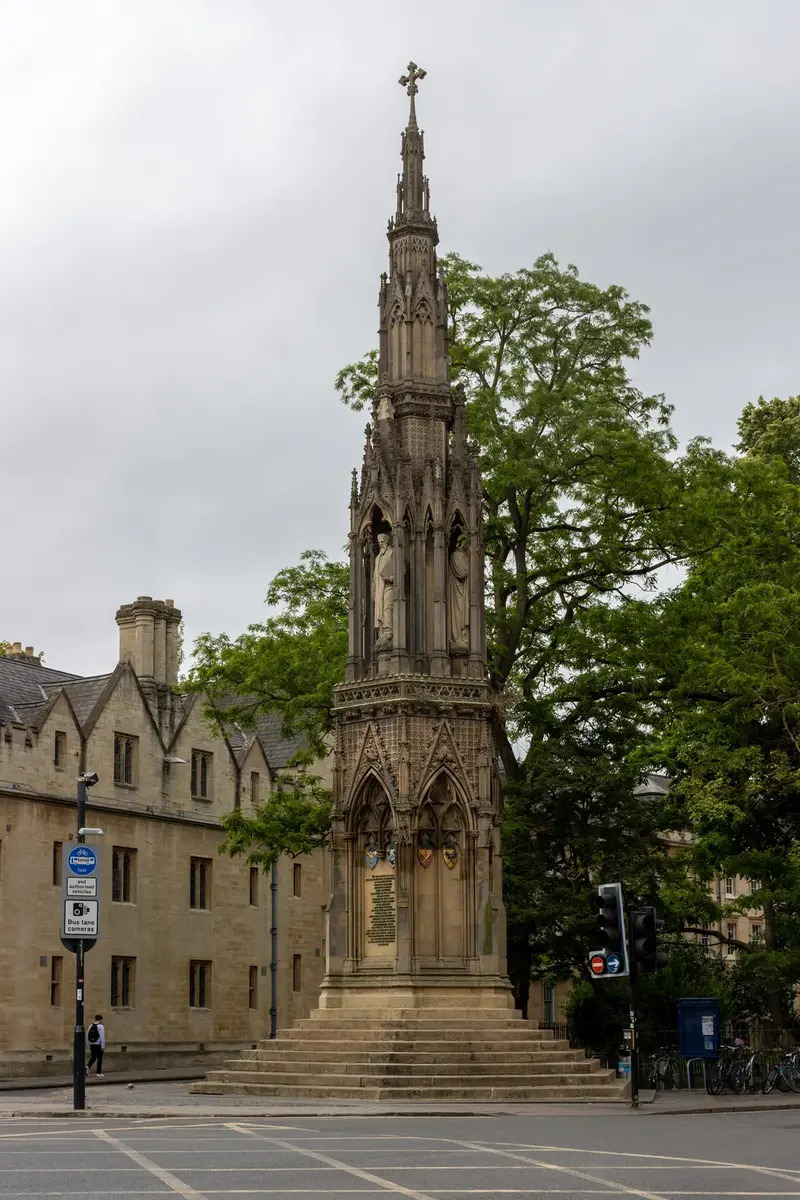
Sir Gilbert Scott's 1843 Gothic-Revival monument to Cranmer, Latimer and Ridley — the three Oxford Martyrs burned for heresy in 1555–1556.
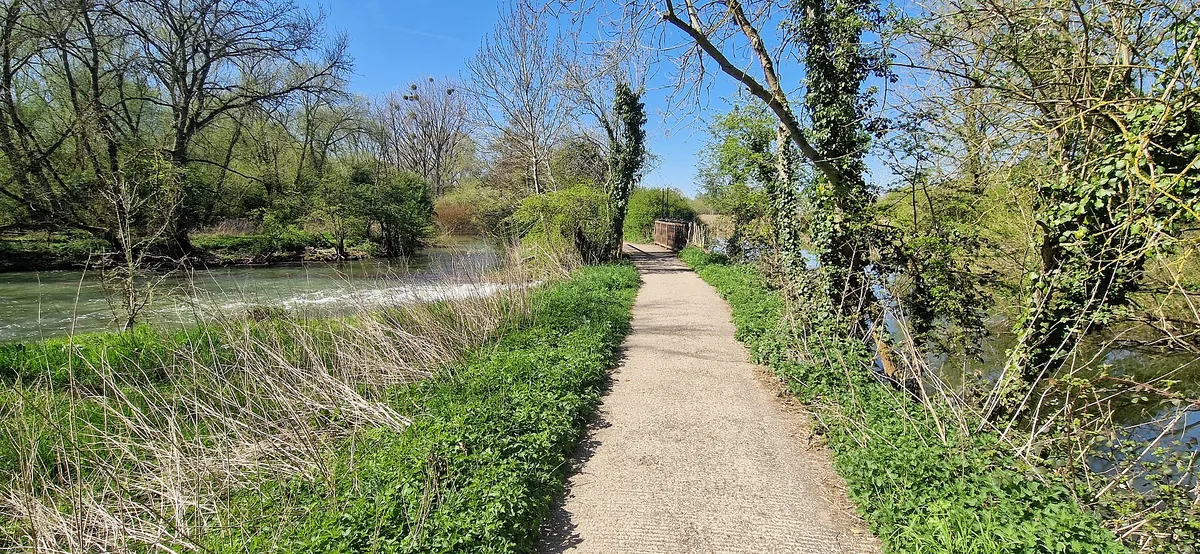
A long, narrow island in the Cherwell — Greek 'between rivers' — laid out as a public walk in 1865, threaded between two branches of the river that flow at different heights.
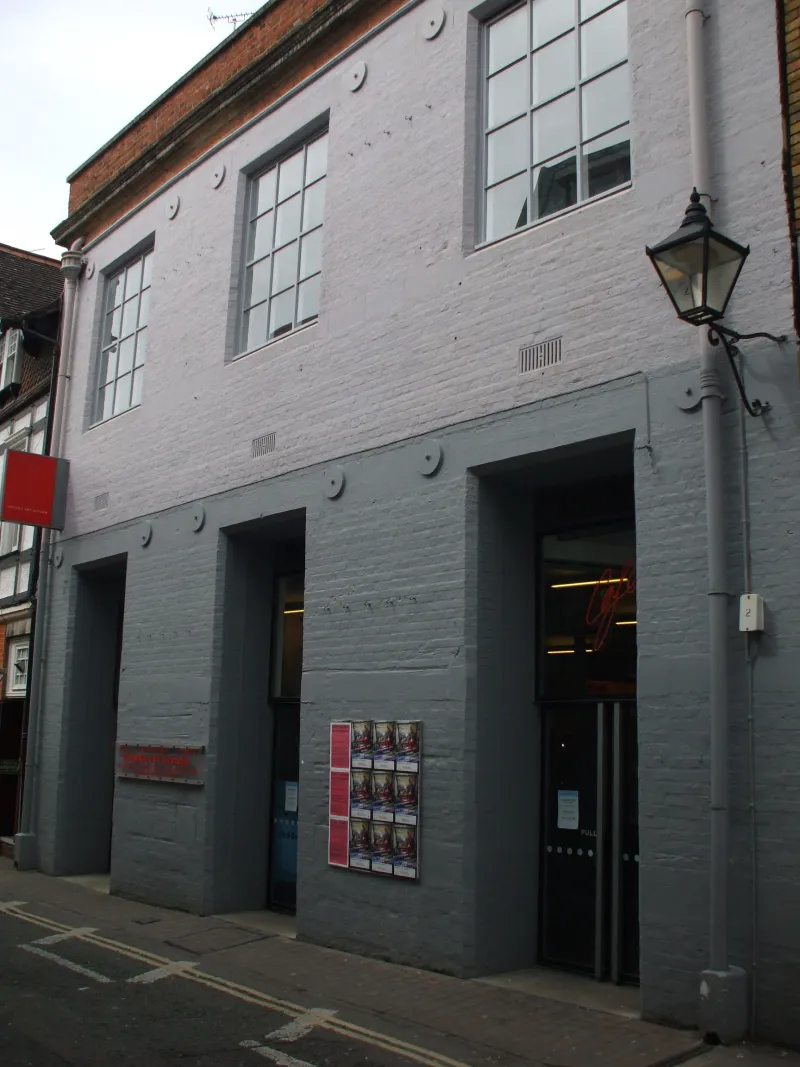
Oxford's contemporary art gallery — free, ambitious exhibitions in the heart of the city.

The 13th-century defensive ring around medieval Oxford — best-preserved in the gardens of New College.
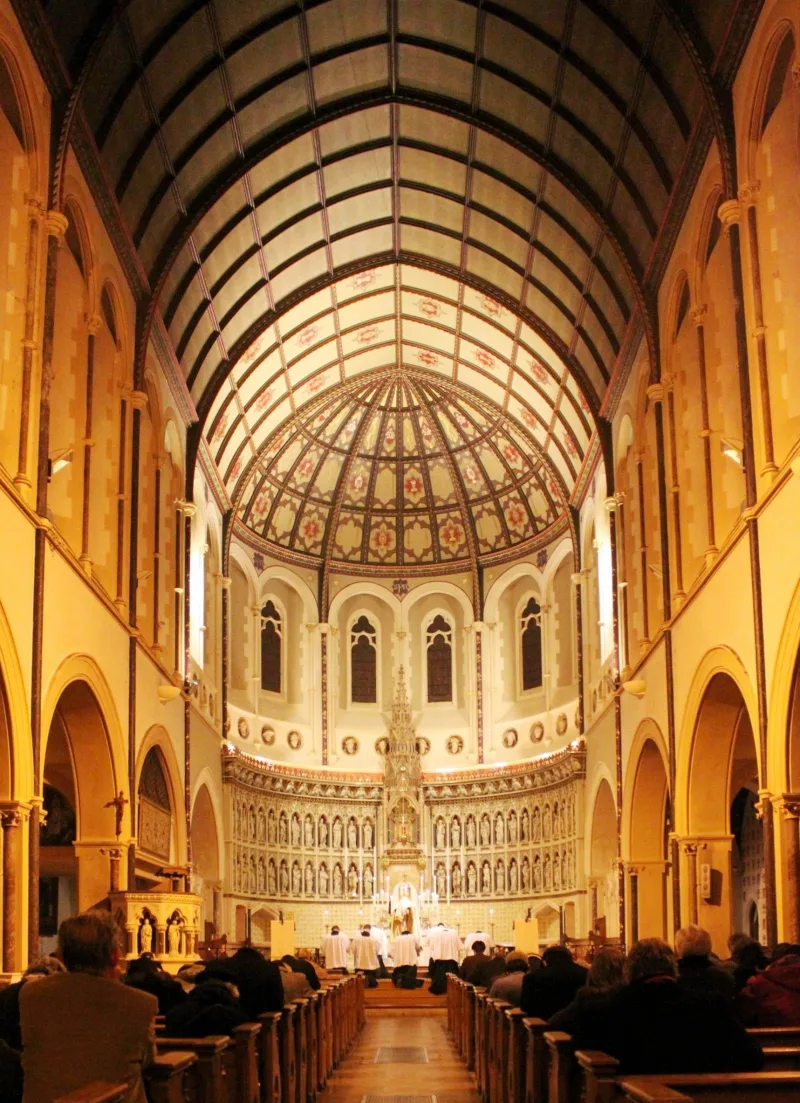
The Catholic parish church for central Oxford — completed in 1875 as a Jesuit foundation, taken over by the Birmingham Oratory in 1990, with a shrine to St John Henry Newman, restored Pippet murals, and a parish history that includes Gerard Manley Hopkins.
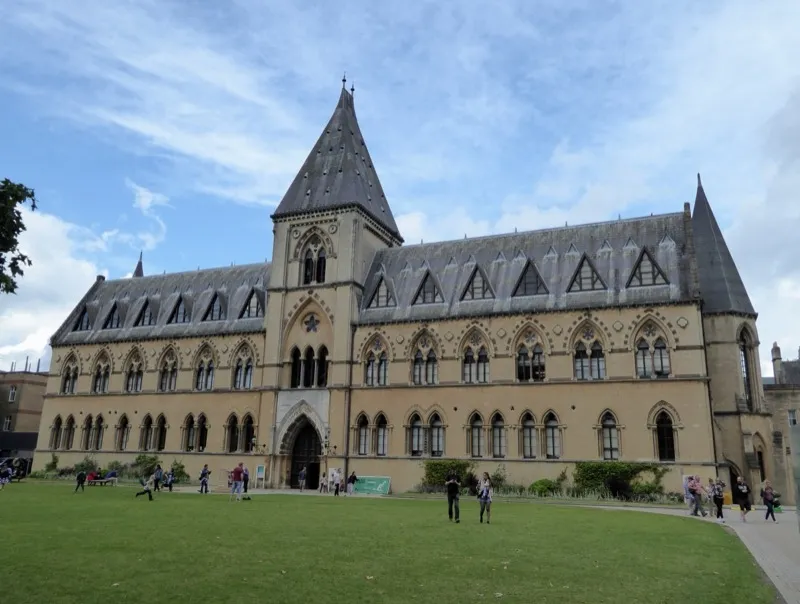
Dinosaurs, dodos, and Darwin's legacy — all under a Gothic Revival iron-and-glass roof.
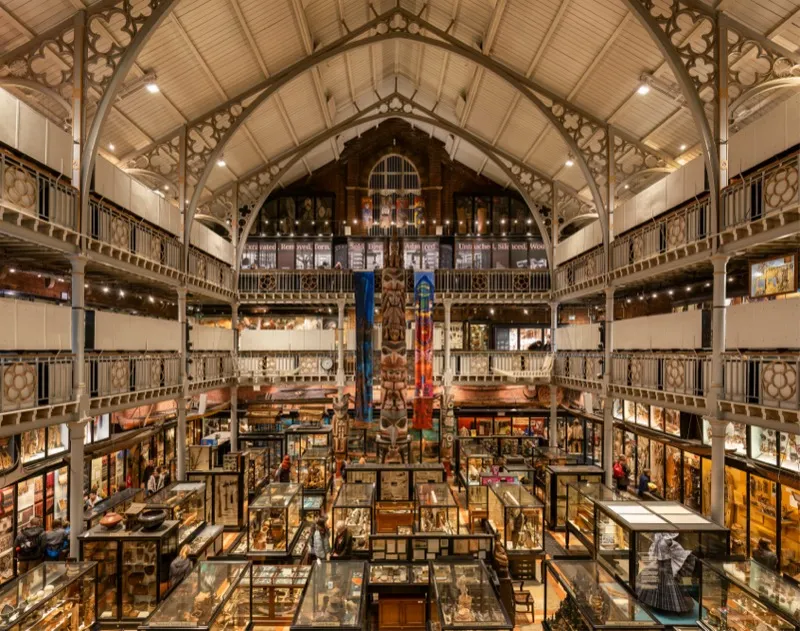
A Victorian cabinet of curiosities — shrunken heads, totem poles, and half a million objects from every culture on earth.
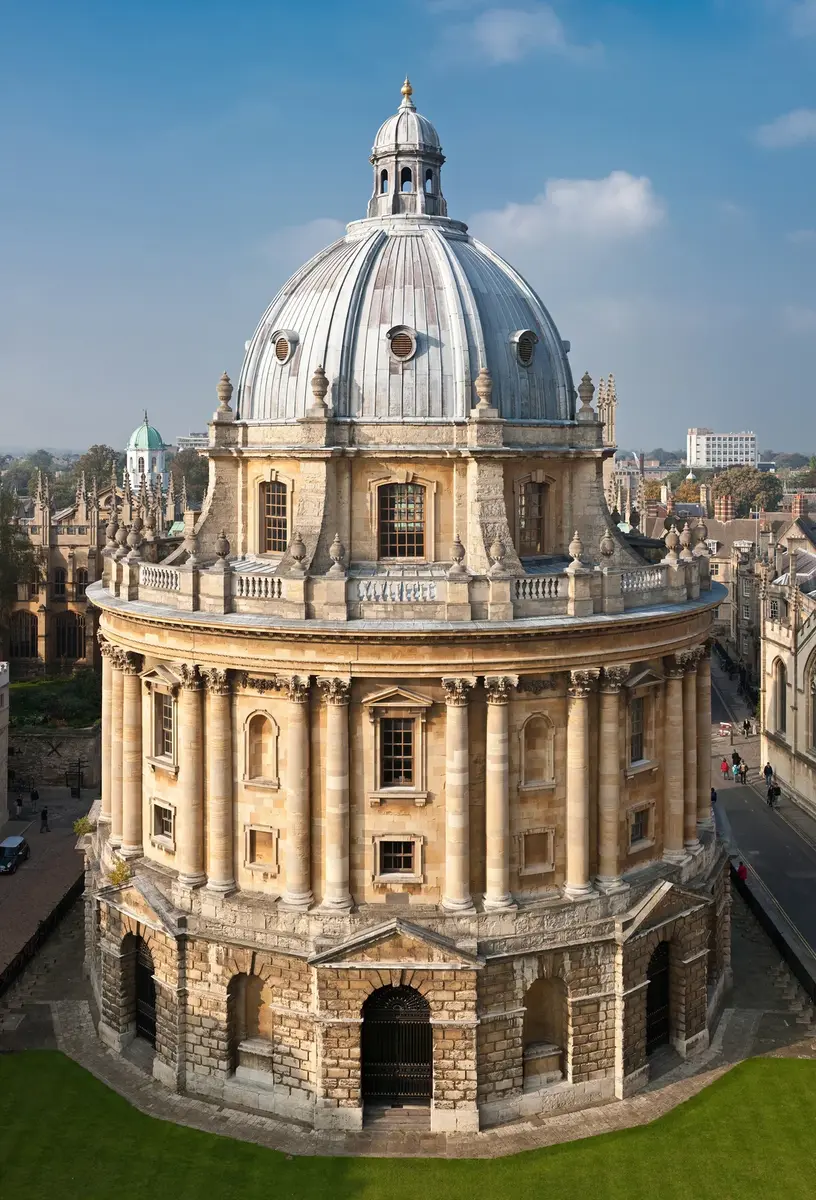
James Gibbs's English Palladian rotunda (1749) — the first circular library in the country and the most photographed building in Oxford.
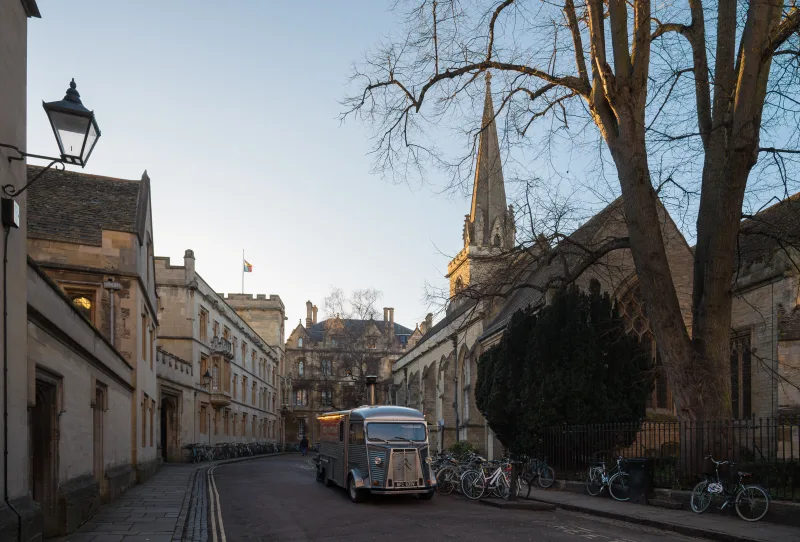
The 12th-century parish church opposite [Christ Church](/places/colleges/christ-church/) and next door to [Pembroke College](/places/colleges/pembroke/) — Saxon roots, a 13th-century tower rebuilt in 1873, and a glass vestibule opening onto St Aldate's.
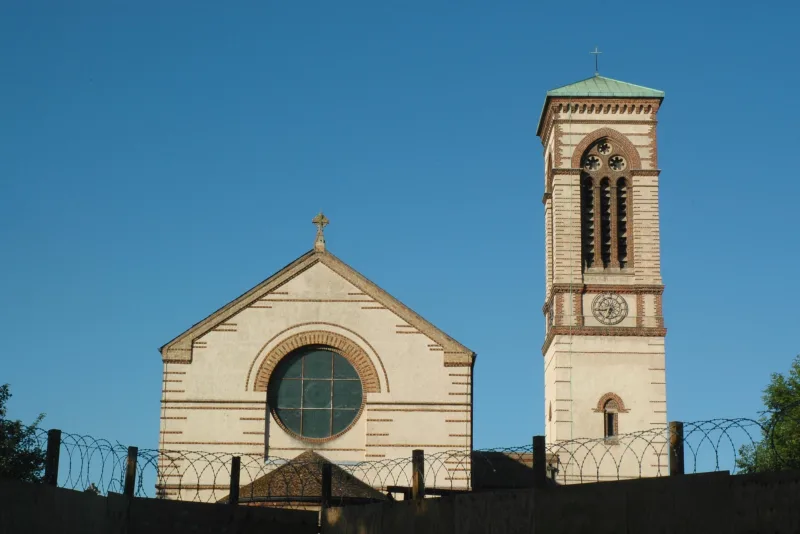
Jericho's Romanesque basilica — informally known as the 'Oxford Basilica' — built in 1869 by Sir Arthur Blomfield for Thomas Combe of OUP, modelled on San Clemente in Rome and the Ravenna basilicas, with an Italianate campanile visible across the canal.
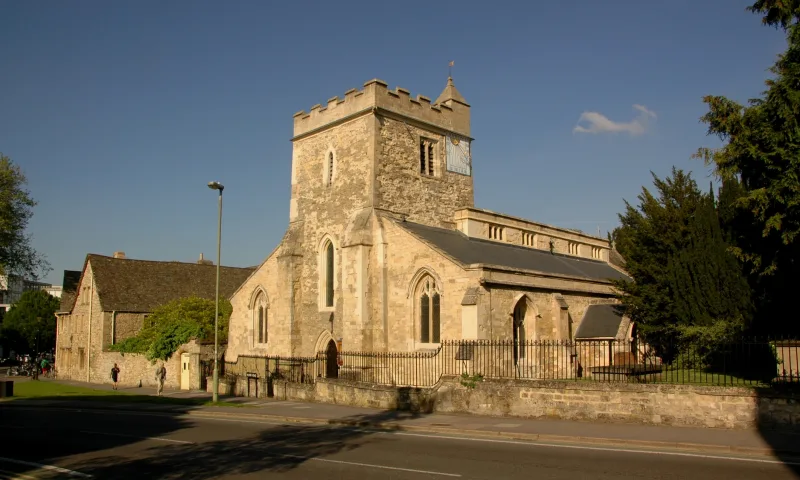
A Grade I-listed Norman parish church on St Cross Road, closed in October 2008 and reopened in 2011 as Balliol College's Historic Collections Centre — and the church where, in fiction, Lord Peter Wimsey married Harriet Vane.
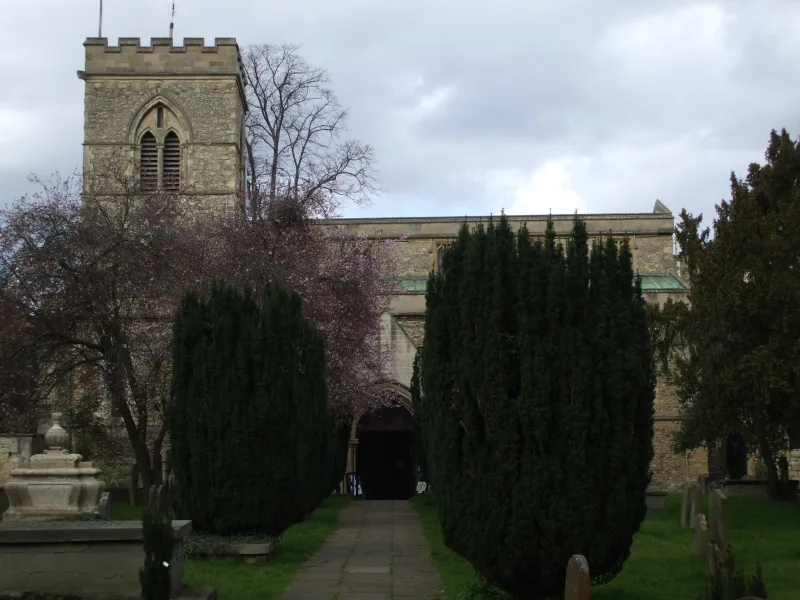
The Norman parish church at the northern head of St Giles', finished in 1120 and consecrated in 1200 by St Hugh of Lincoln — the consecration that gave Oxford [St Giles' Fair](/places/streets/st-giles/).
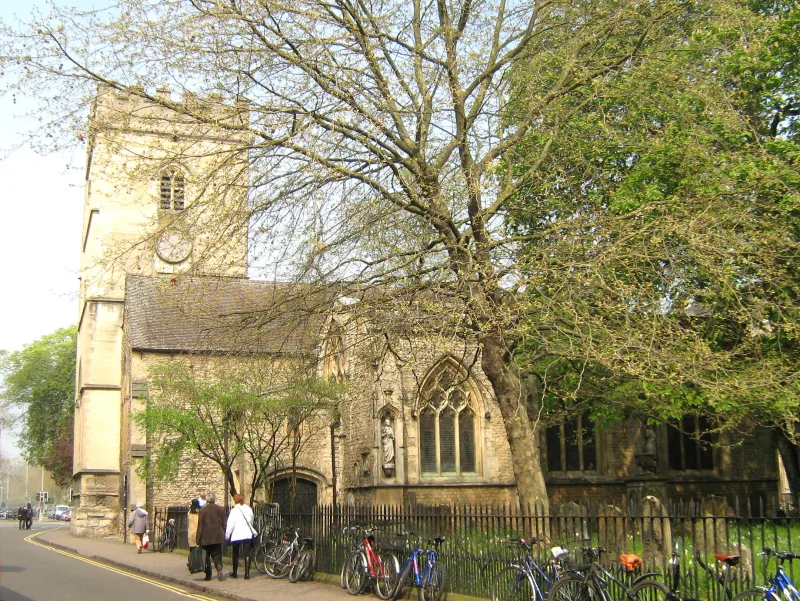
A Grade I-listed ancient parish church on Magdalen Street, with Saxon origins, work by Saint Hugh of Lincoln in 1194, and Oxford's first Gothic Revival interior — George Gilbert Scott's 1841 Martyrs' Aisle, complementing the [Martyrs' Memorial](/places/landmarks/martyrs-memorial/) immediately to the north.
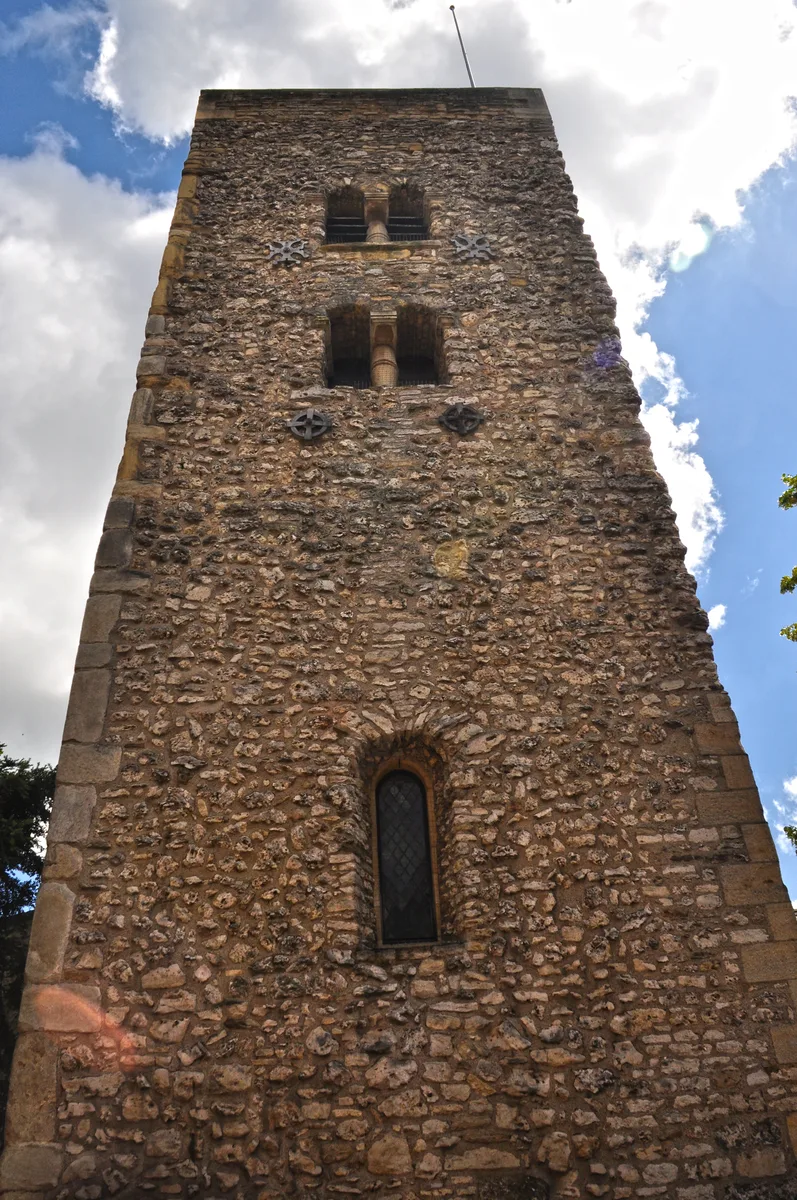
The Anglo-Saxon tower at the head of Cornmarket — c.1040, the oldest standing building in Oxford. The Bocardo Prison cell door behind which Cranmer, Latimer and Ridley were held in 1555-56 is preserved in the tower.
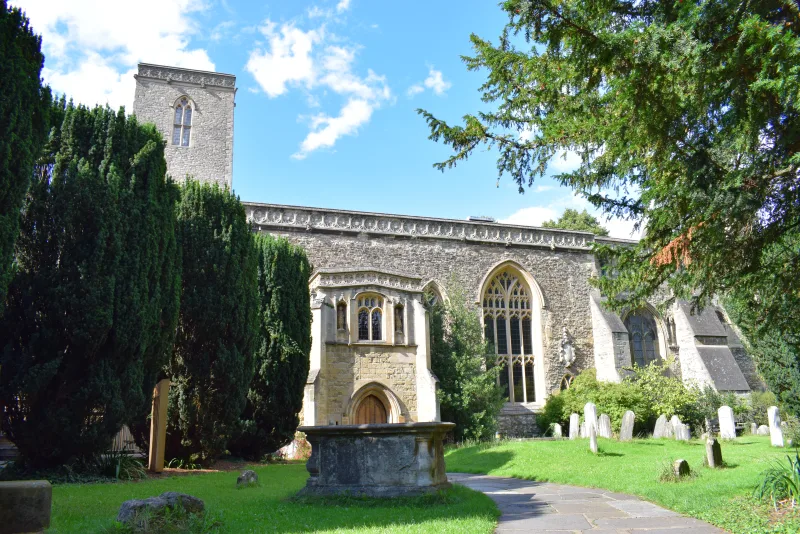
A 12th-century church on Queen's Lane, deconsecrated in the 1970s and now the library of [St Edmund Hall](/places/colleges/st-edmund-hall/) — with a small garden churchyard, a bronze statue of St Edmund as an impoverished student, and a Domesday Book mention from c.1085.
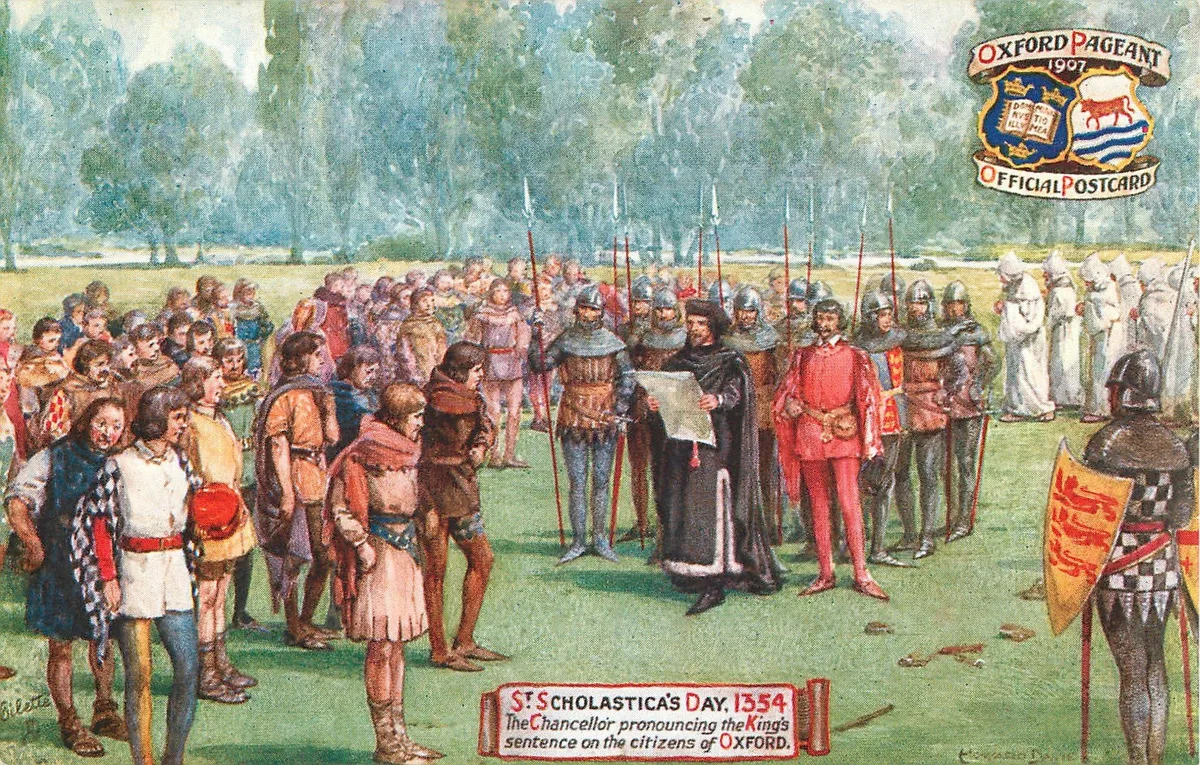
On 10 February 1355 two students complained about the wine at the Swindlestock Tavern at Carfax. Three days later, ninety-three people were dead — and the university had supremacy over the town for the next 470 years.
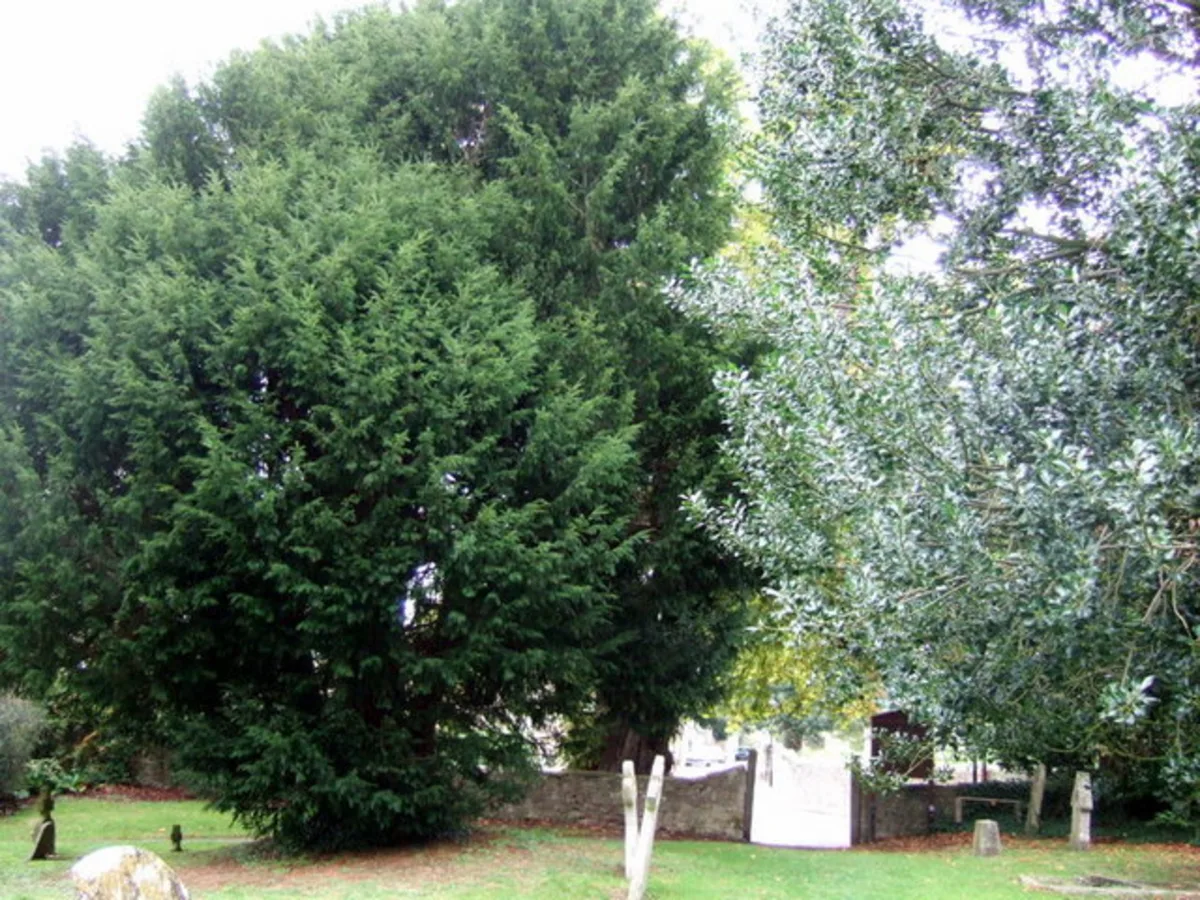
An ancient yew at the entrance to one of England's finest Norman churches — paired inside by John Piper's Tree of Life and Roger Wagner's Flowering Tree windows.
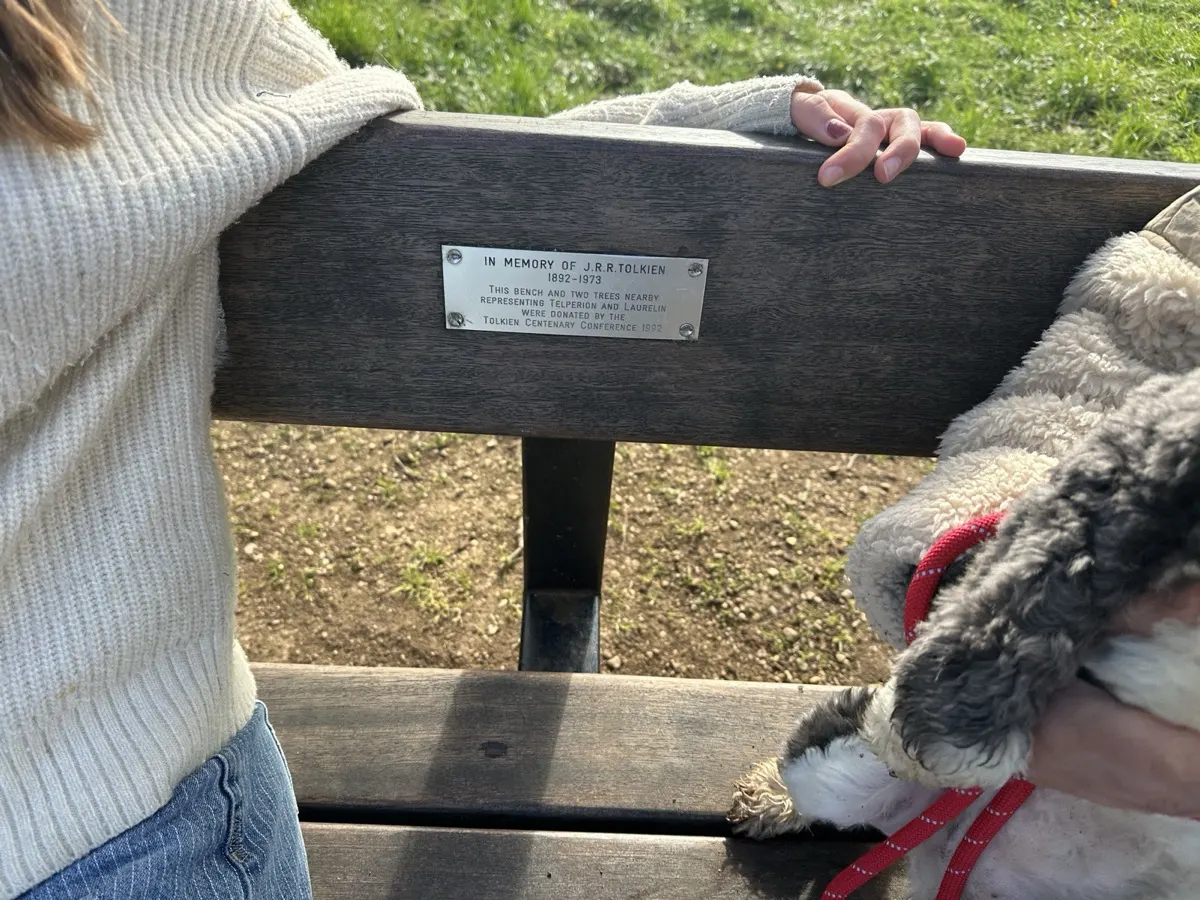
A brass-plaqued bench in University Parks, dedicated to J.R.R. Tolkien (1892–1973) by the Tolkien Centenary Conference in 1992 — accompanied by two trees said to represent Telperion and Laurelin, the Two Trees of Valinor.
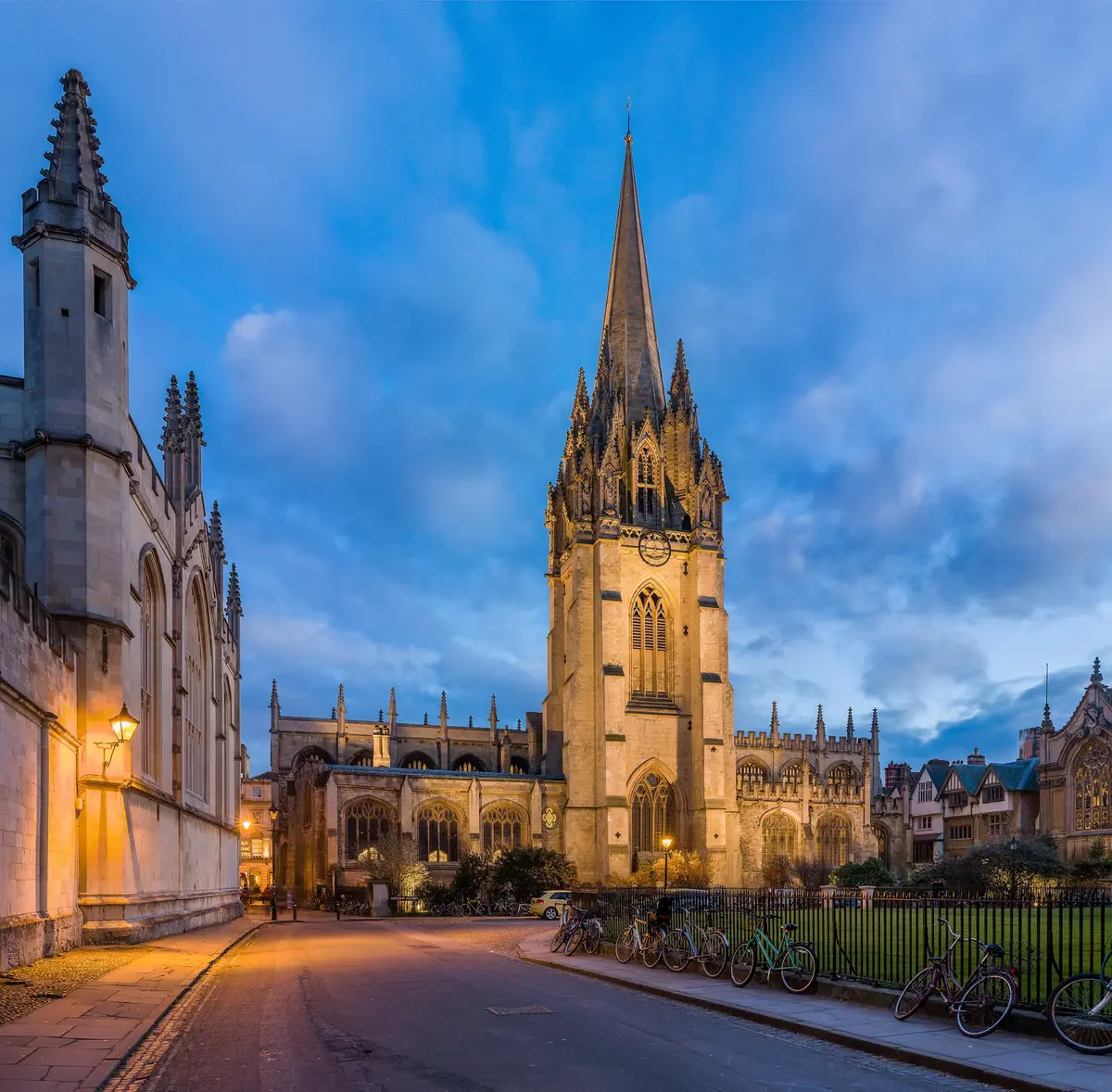
The University's church on the High Street, with one of the best tower views in Oxford and a 13th-century spire.
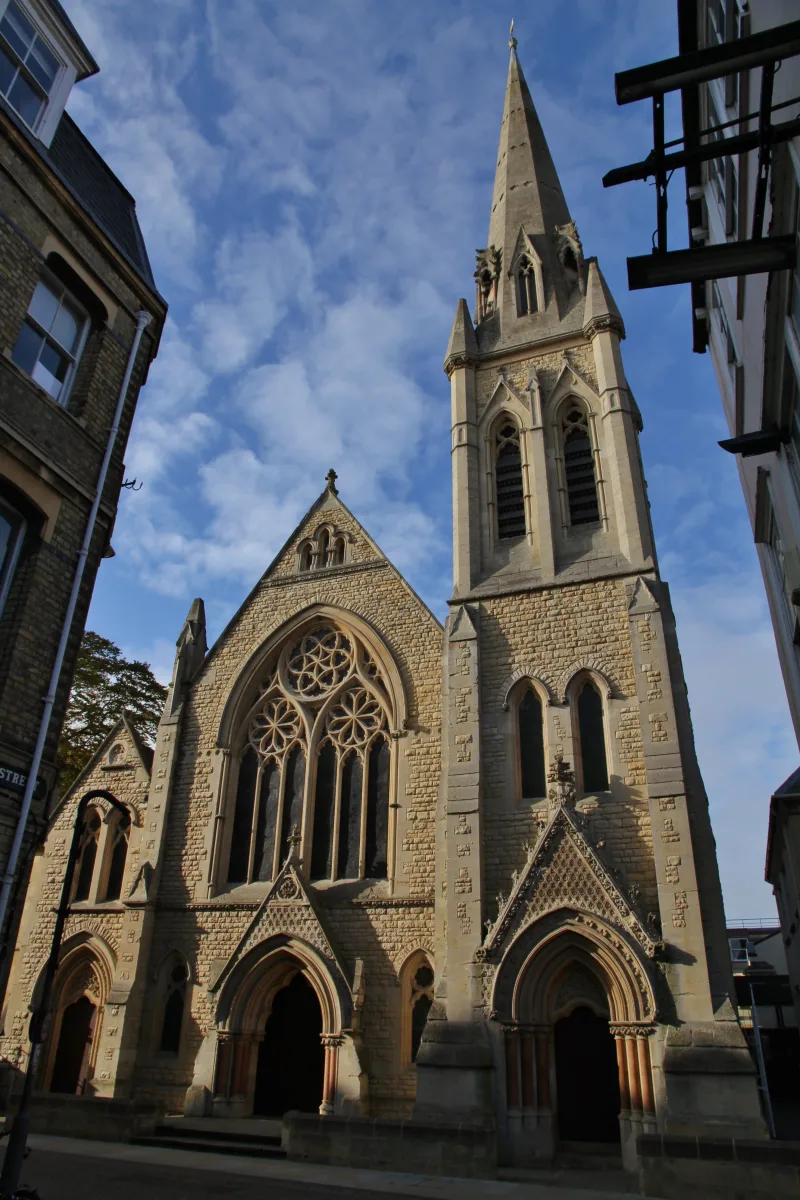
Central Oxford's Methodist church — the present Gothic Revival building was opened in 1878 by Charles Bell, on a street where John Wesley preached on 4 July 1783.

City cemetery opened in 1889. The Roman Catholic section contains the grave of J.R.R. Tolkien and his wife Edith, headstone inscribed Beren and Lúthien.
Oxford University's own parkland beside the Cherwell: laid out in 1864 as a cricket ground and arboretum, with free entry and a tree walk for every season.
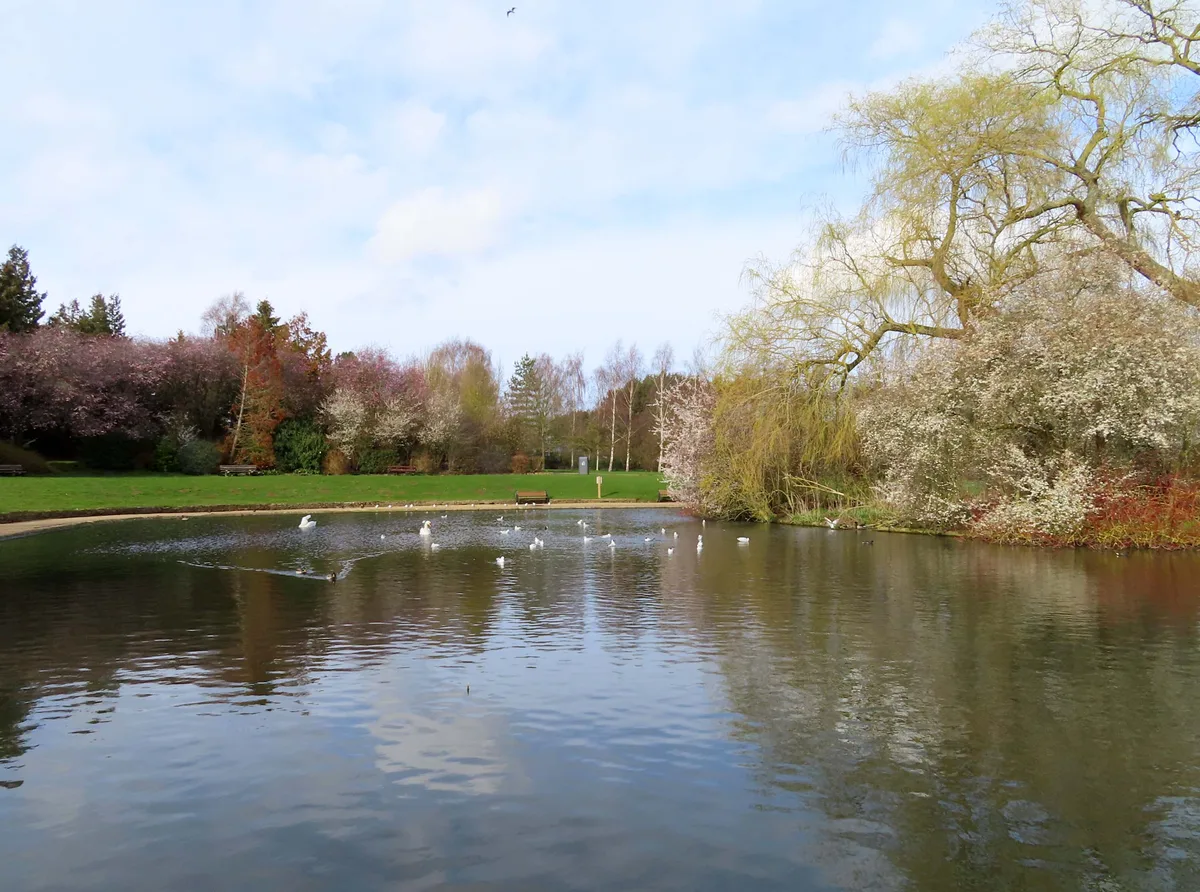
Oxford's flattest parkrun — quick course, friendly crowd, every Saturday at 9am.
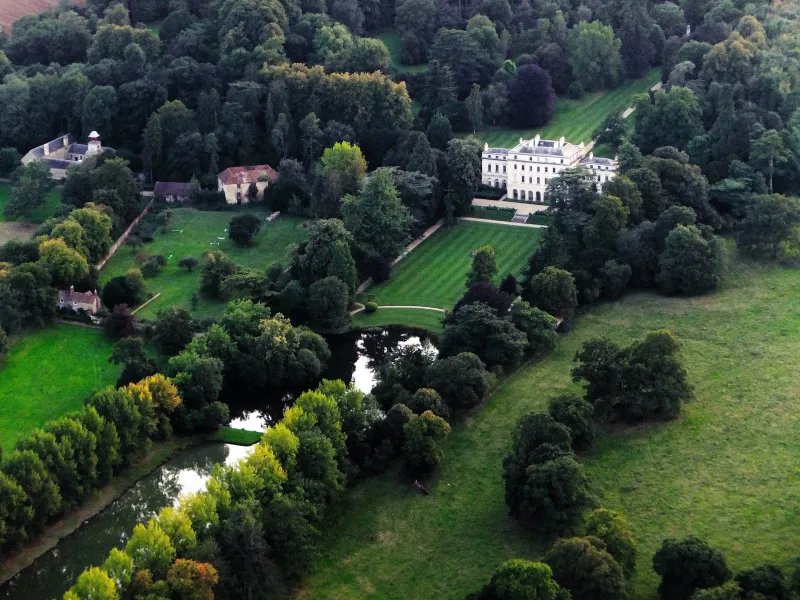
Oxford's hilliest parkrun — trails, mud, and long views east across the city from the country park ridge.
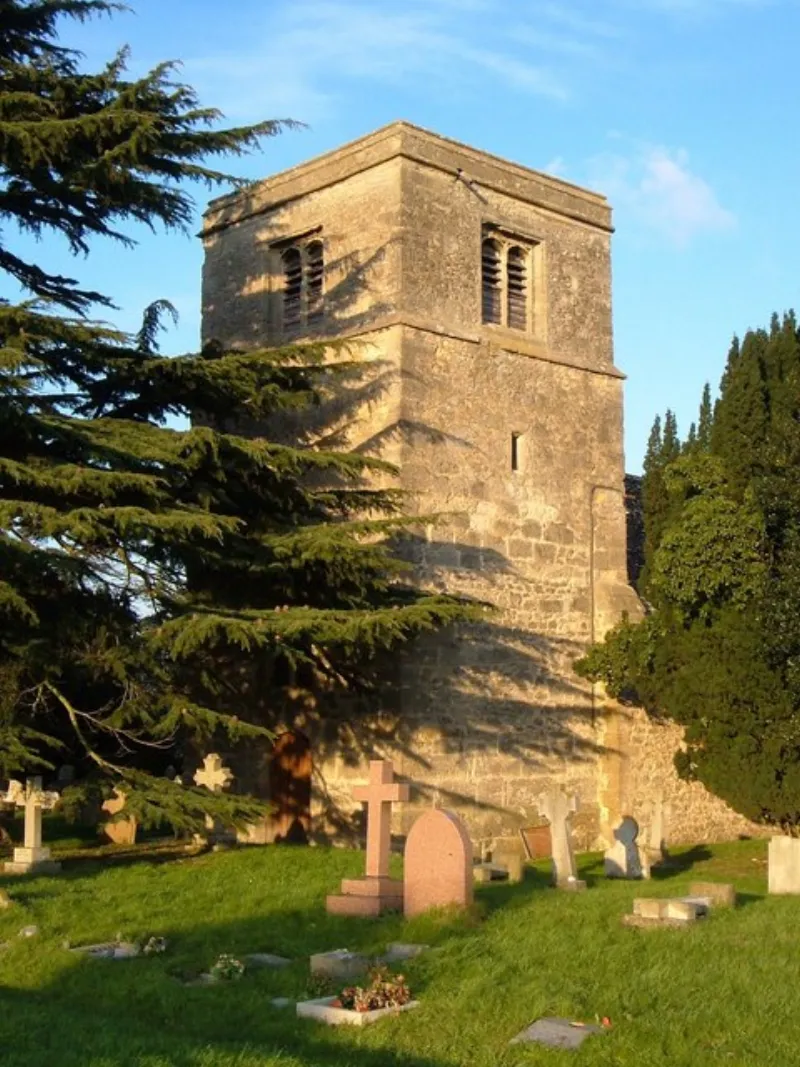
South Oxford's neighbourhood parkrun — compact, friendly, and close to the city centre.
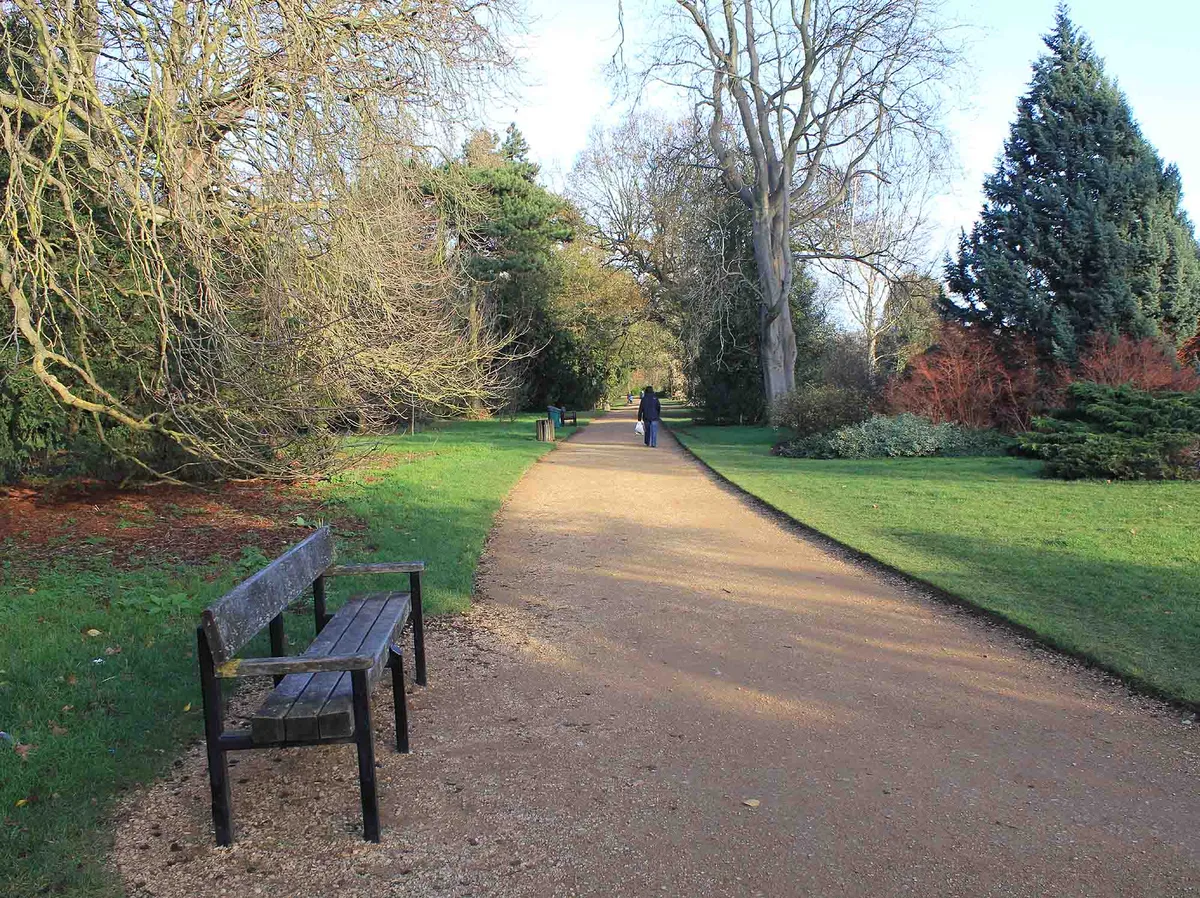
Oxford's most central parkrun — Saturday mornings inside the University's own park, two minutes from the science labs.