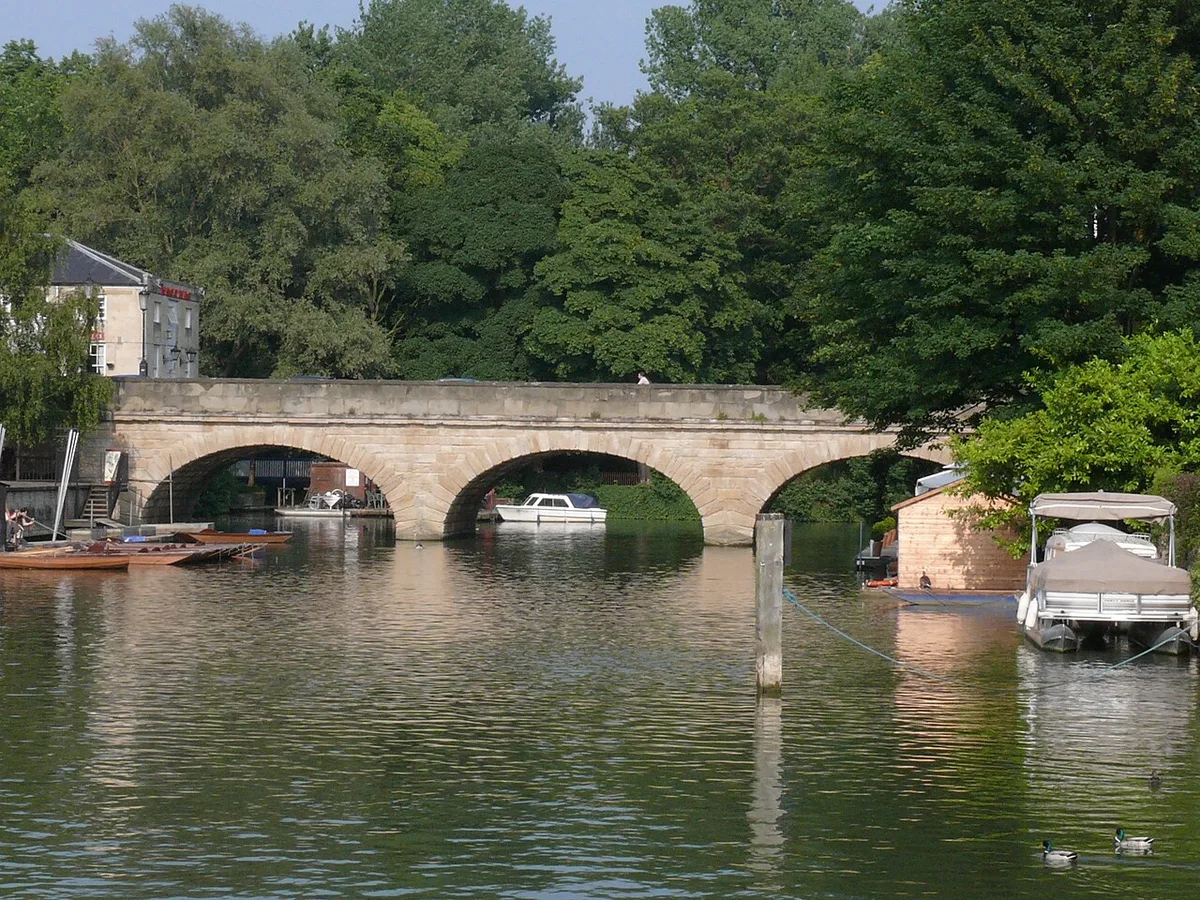
Folly Bridge
RecommendedThe 1825 stone bridge at the south end of St Aldate's, Grade I listed and standing on the site of an oxen-ford that gave Oxford its name. The boat that became *Alice in Wonderland* set off from here on 4 July 1862.
7 entries across places, people, and walks.
The 1825 stone bridge at the south end of St Aldate's, Grade I listed and standing on the site of an oxen-ford that gave Oxford its name. The boat that became *Alice in Wonderland* set off from here on 4 July 1862.
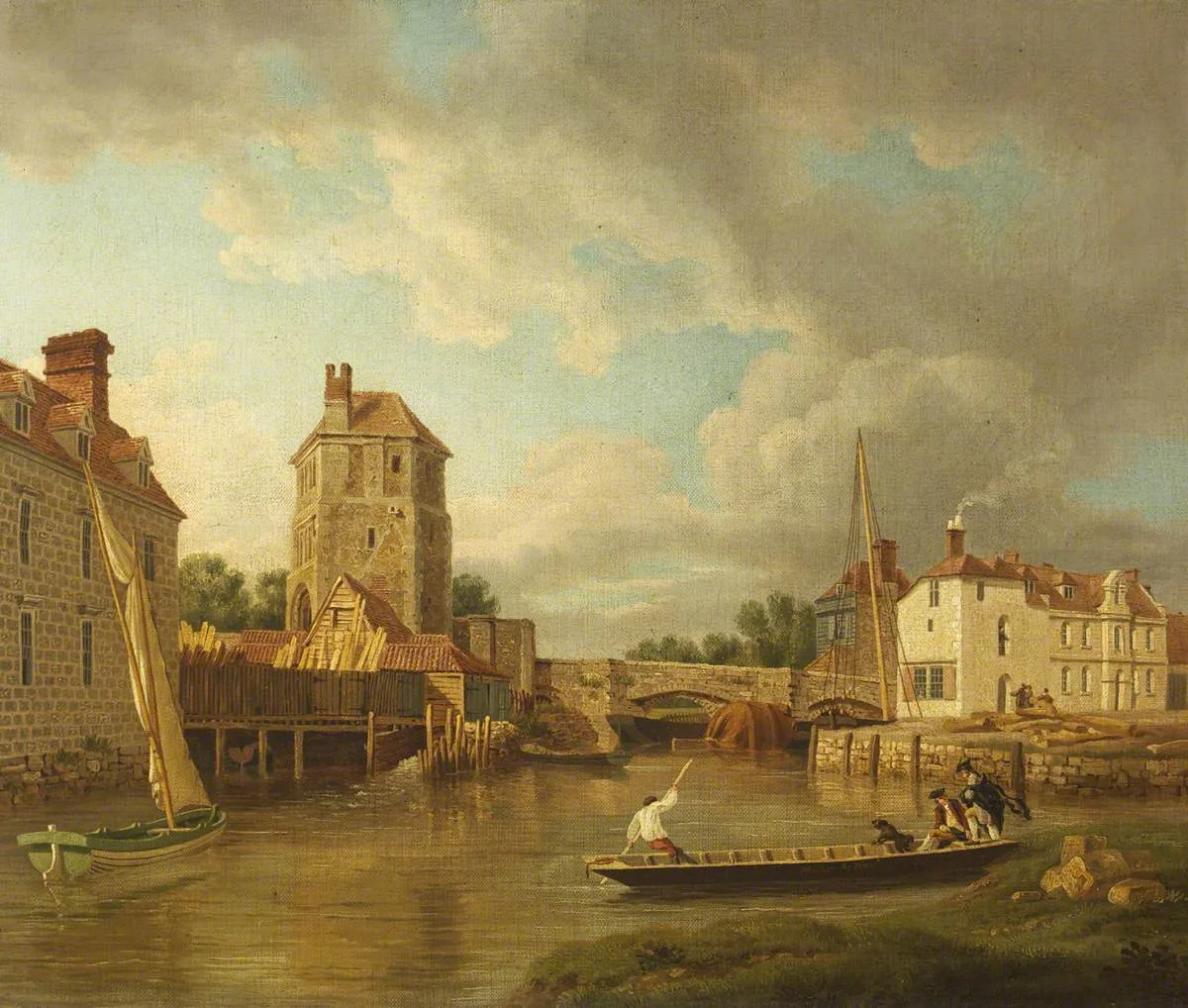
A medieval tower at the north end of Folly Bridge, demolished 1779. The 13th-century Franciscan friar Roger Bacon — one of the earliest European advocates of the scientific method — is said to have lived and worked here.
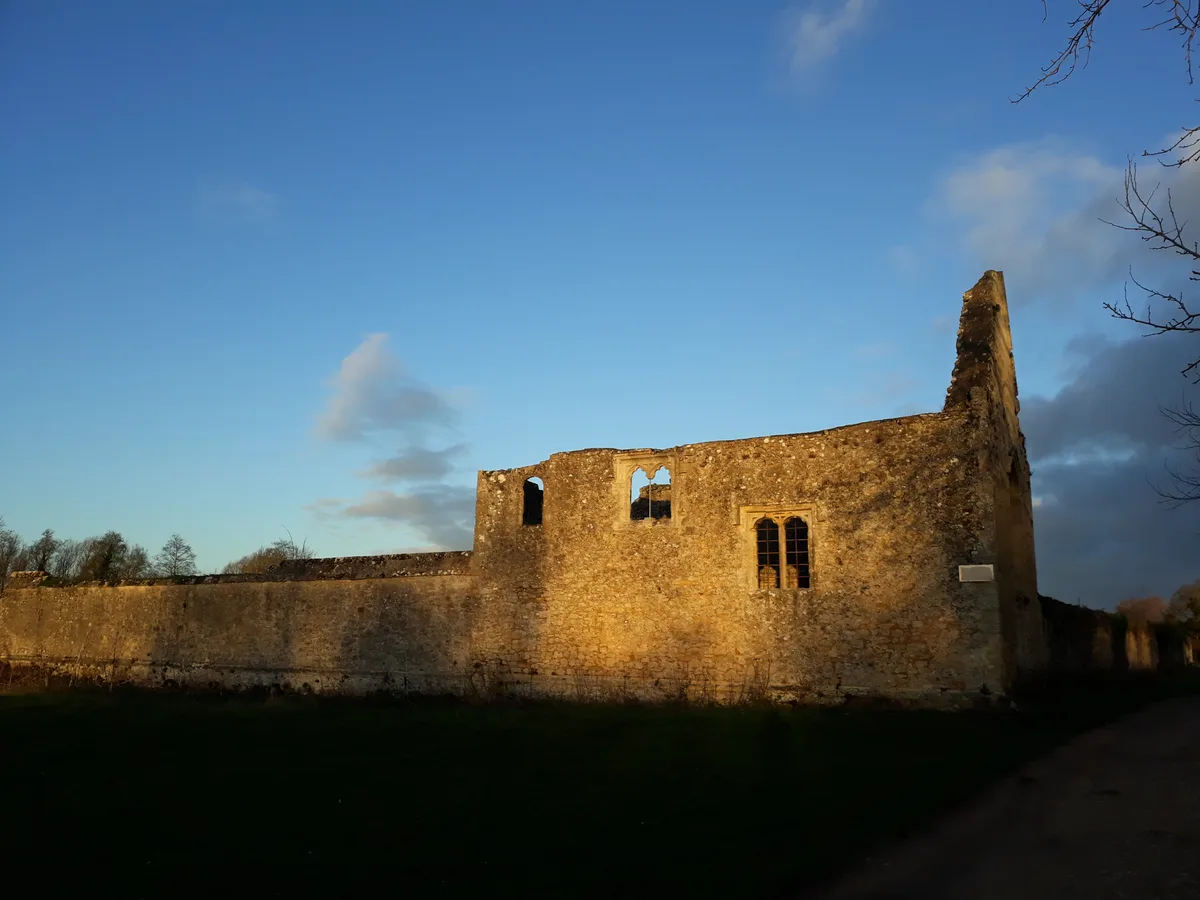
A Benedictine nunnery founded in 1133 on an island in the Thames; the burial place of Henry II's mistress Rosamund Clifford until a bishop ordered her tomb thrown out of the church in 1191. Suppressed in 1539, ruined in the Civil War, painted by the Pre-Raphaelites, picnicked over by Lewis Carroll.
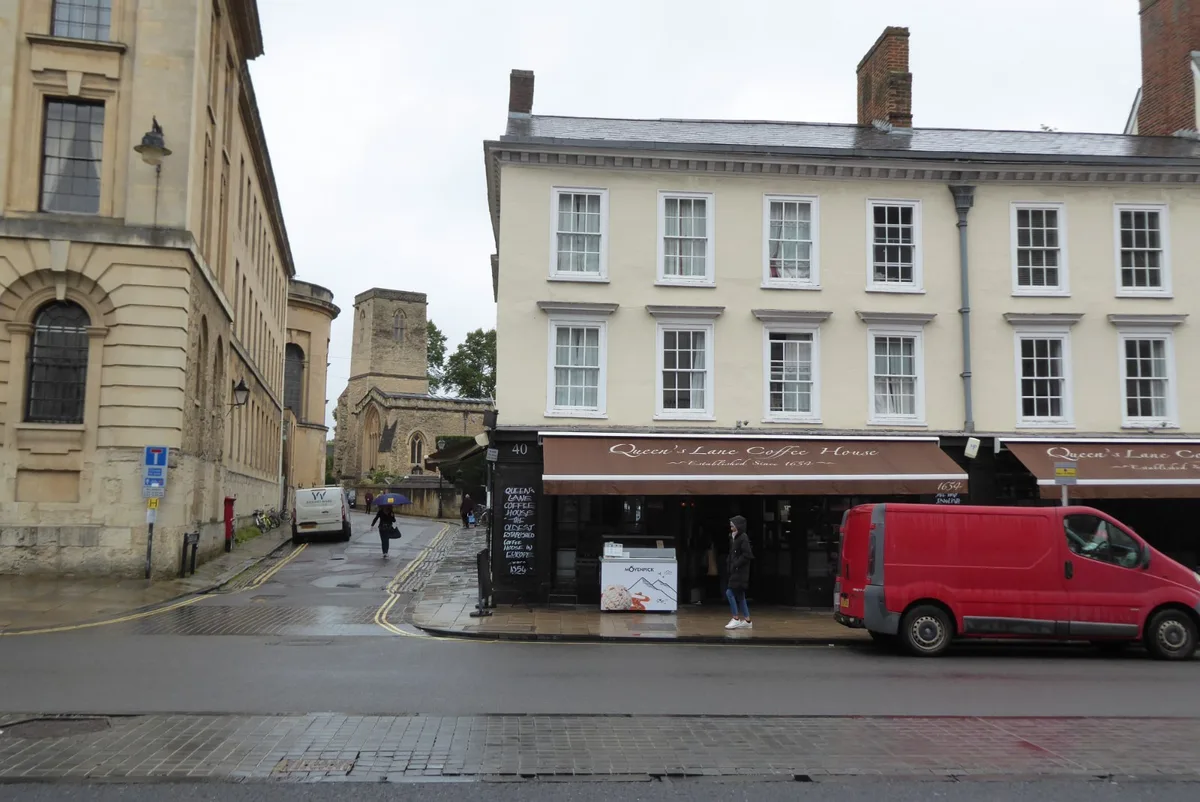
Founded 1654 by Cirques Jobson and claimed as the oldest continuously serving coffee house in Europe — although the present site, a Grade II listed building at 40 High Street, has been its home only since 1970.
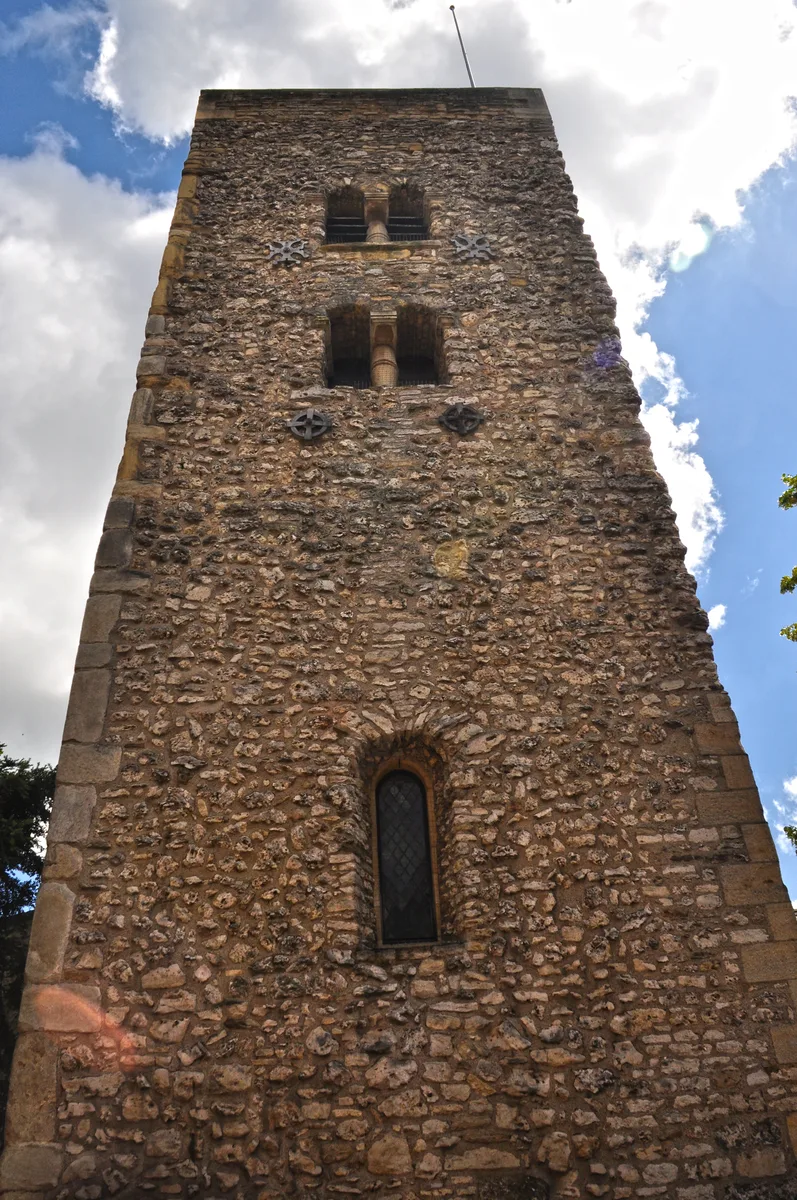
The Anglo-Saxon tower at the head of Cornmarket — c.1040, the oldest standing building in Oxford. The Bocardo Prison cell door behind which Cranmer, Latimer and Ridley were held in 1555-56 is preserved in the tower.
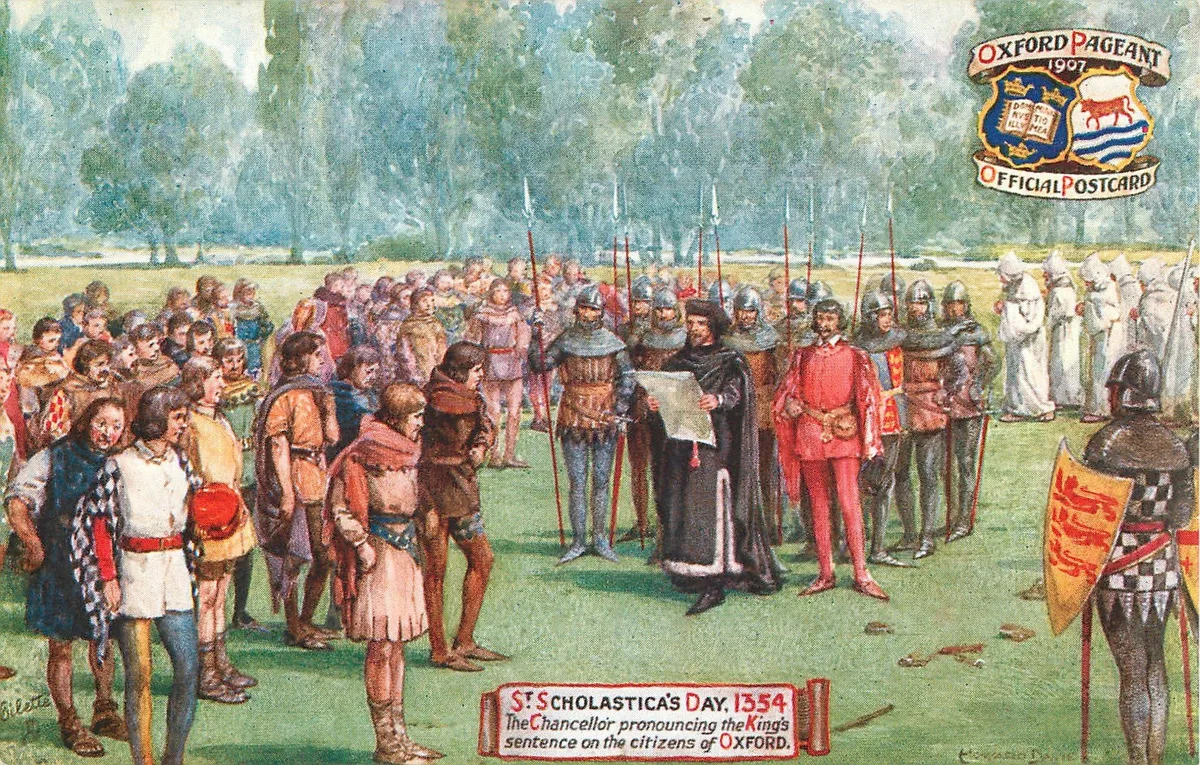
On 10 February 1355 two students complained about the wine at the Swindlestock Tavern at Carfax. Three days later, ninety-three people were dead — and the university had supremacy over the town for the next 470 years.
Where Roger Bannister broke the four-minute mile — still an active track, still giving runners goosebumps.