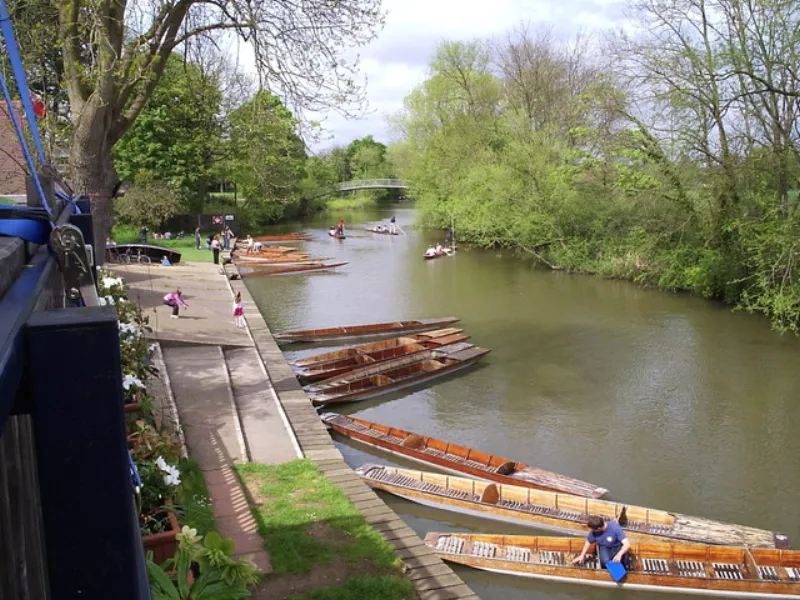
Along the Cherwell
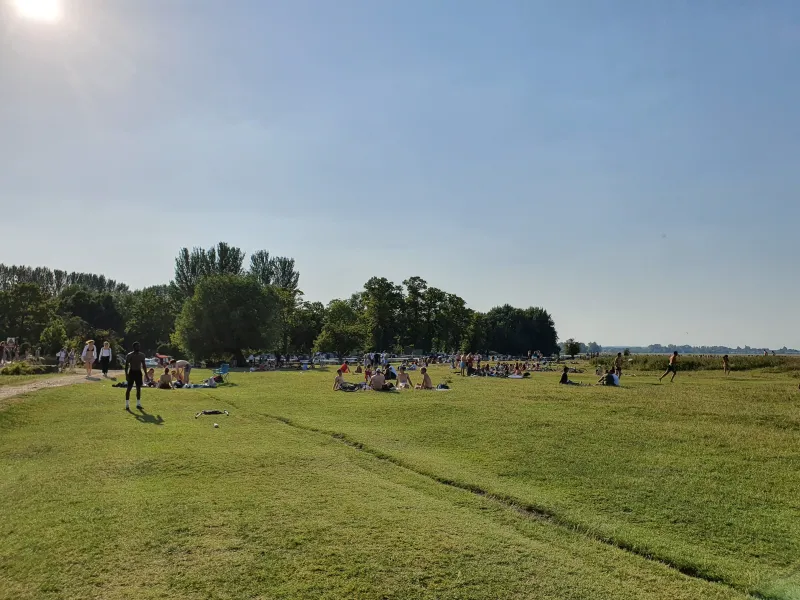
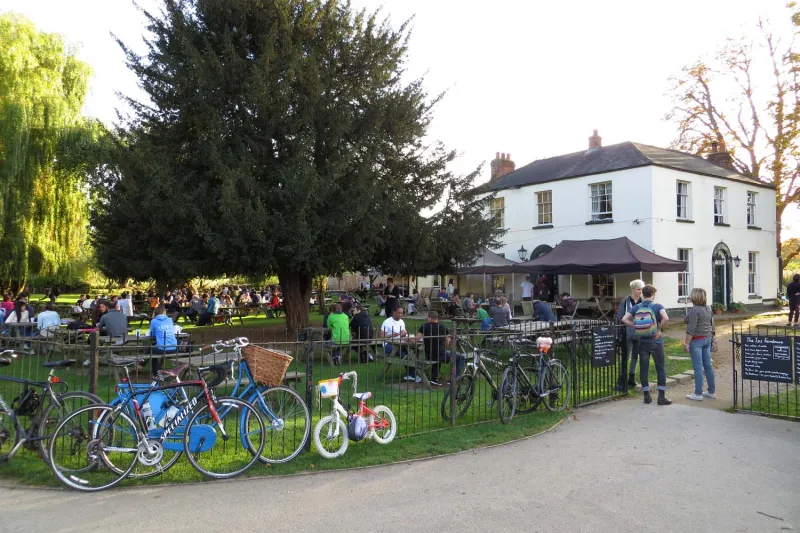
A gentle river walk from the heart of North Oxford to a village pub — through parks, past punts, and into the countryside.
11 entries across places, people, and walks.
A gentle river walk from the heart of North Oxford to a village pub — through parks, past punts, and into the countryside.
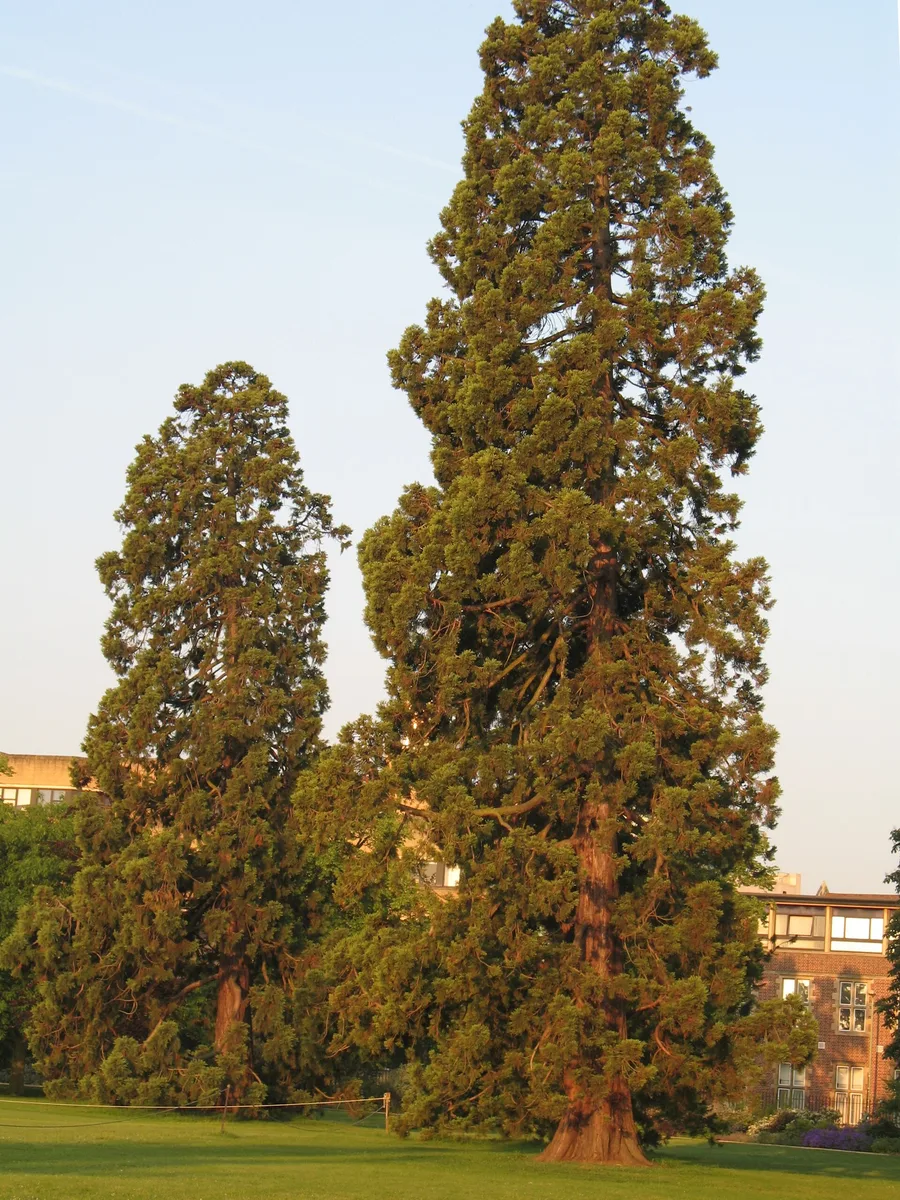
The Parks' northern boundary path leads past a Victorian cluster of giant sequoias and the tallest Caucasian elm in the country — structural, year-round, easy on the legs.
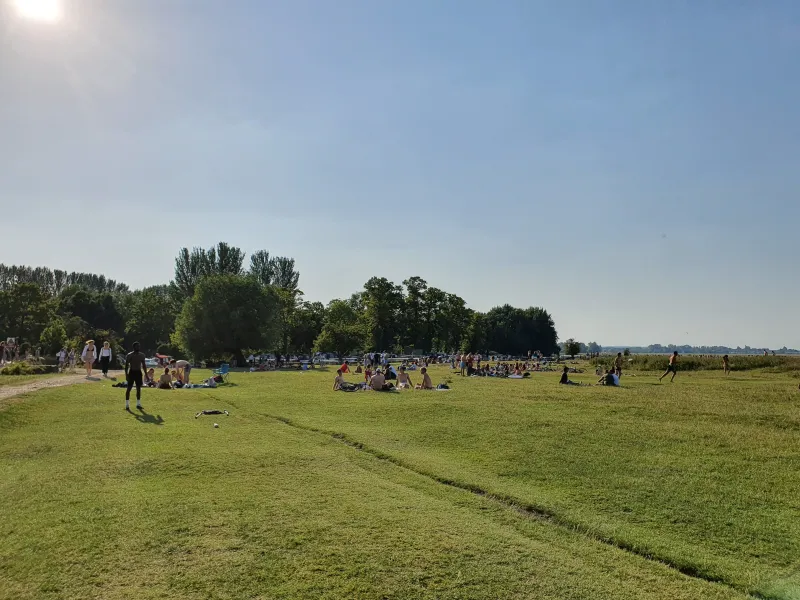
Ancient common land, wild horses, ruined abbeys, and two of Oxford's best riverside pubs.
Flat, scenic, traffic-free — the default easy run for anyone living in north or west Oxford.
Oxford's toughest parkrun — hills, mud, trails, and the best views in the city.
Oxford's full river traverse — from the gentle weirs of Iffley to the wild expanse of Port Meadow.
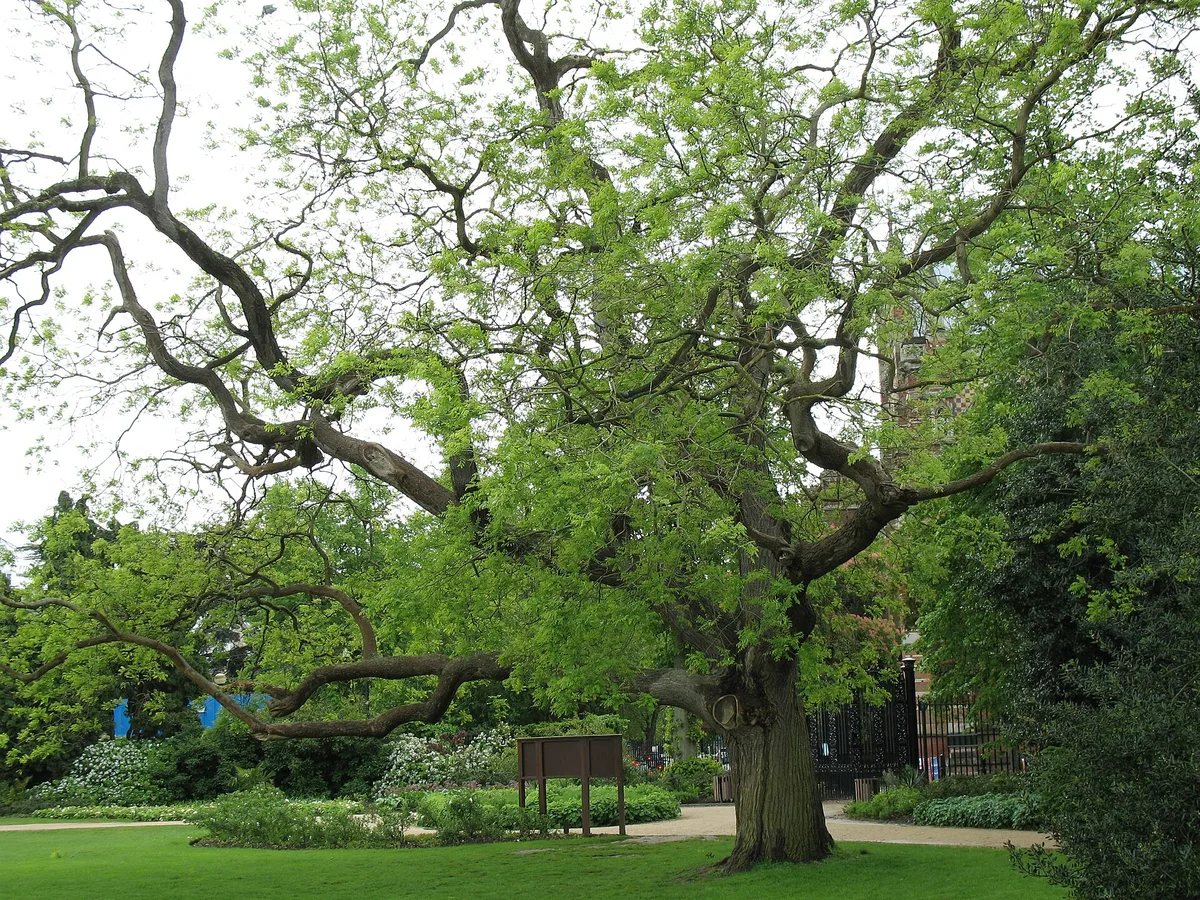
The Parks' Victorian centrepiece: a Japanese Pagoda Tree planted in 1888, now a sprawling, broad-canopied specimen on the western boundary path.
A single tree as the whole point of a walk: a Weeping Beech, first cultivated in 1836, whose drooping limbs touch the ground, root, and grow again — making one tree feel like a small grove.
The Parks' autumn walk: the western bank of the Cherwell with a Scarlet Oak whose foliage turns deep red in October, with onward access onto Mesopotamia.
The Parks' summer walk: a Tulip Tree flowering in June and July, an Indian Bean Tree dropping cigar-shaped seed pods, and a scarce Bee-bee Tree from Korea and China that scents the air in late summer.
The Parks' May walk: over thirty varieties of hawthorn flowering together along a single boundary path — the kind of botanical density you only get inside a working University collection.