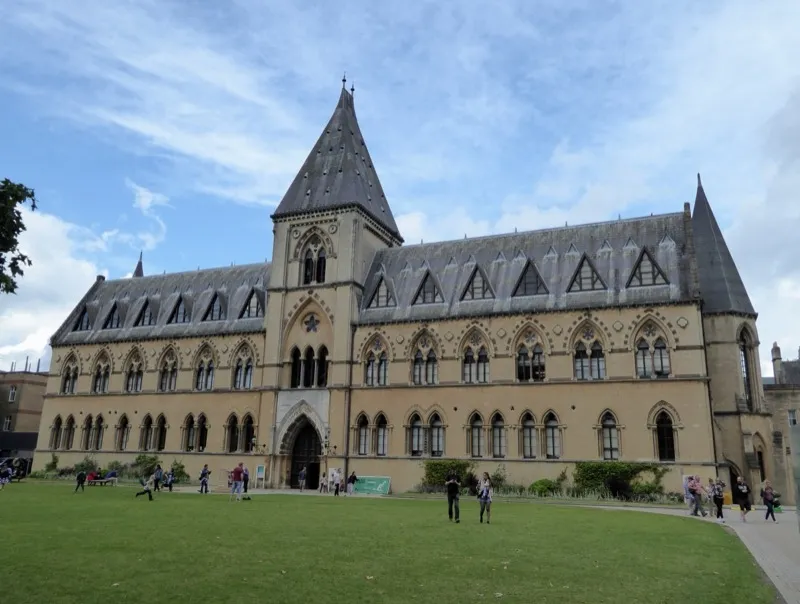
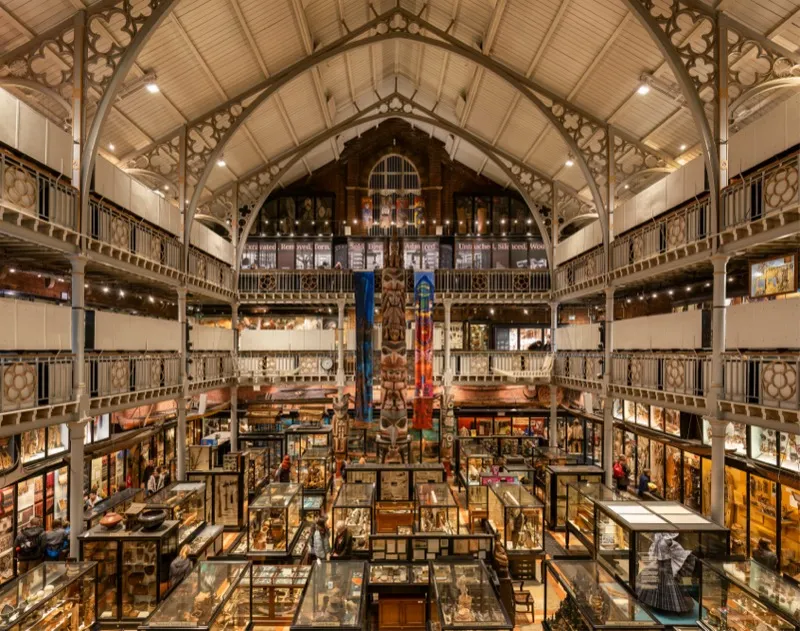
Oxford ist eine der familienfreundlichsten Staedte Englands — und das Beste ist: Die meisten Highlights sind kostenlos. Das Natural History Museum beherbergt ein vollstaendiges T-Rex-Skelett und einen Mineraliensaal, der unter UV-Licht leuchtet. Gleich nebenan befindet sich das Pitt Rivers Museum, eine faszinierende Kuriositaetensammlung: geschrumpfte Koepfe, Totempfaehle, Schattenspiel-Puppen und Hexen in Flaschen. Beide Museen sind voellig kostenlos.
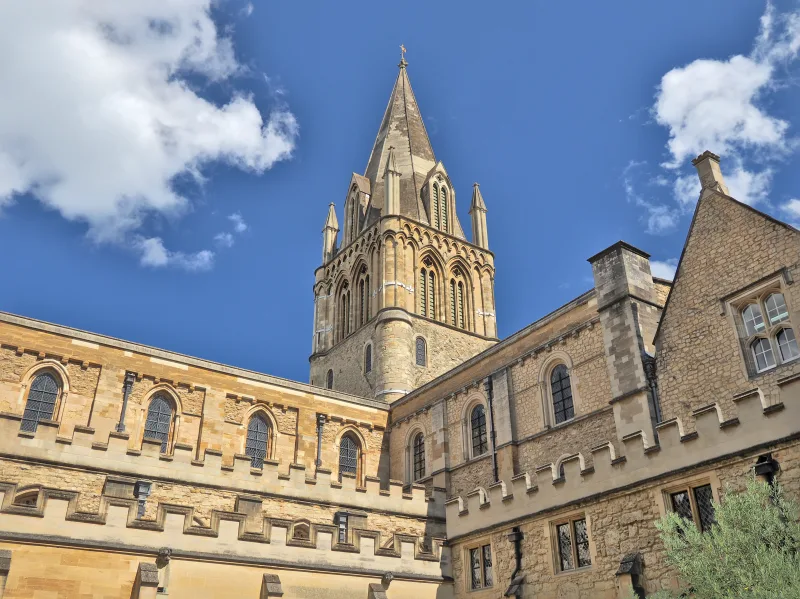
Christ Church College ist der Ort, an dem Charles Dodgson (Lewis Carroll) als Mathematikdozent arbeitete. Ueberall im College finden sich Spuren von Alice im Wunderland: die kleine Tuer in der grossen Halle, der Kamin, der die Grinsekatze inspirierte, und gegenueber der Alice's Shop — das Original des "Old Sheep Shop" aus "Alice hinter den Spiegeln", heute mit Wunderland-Souvenirs.
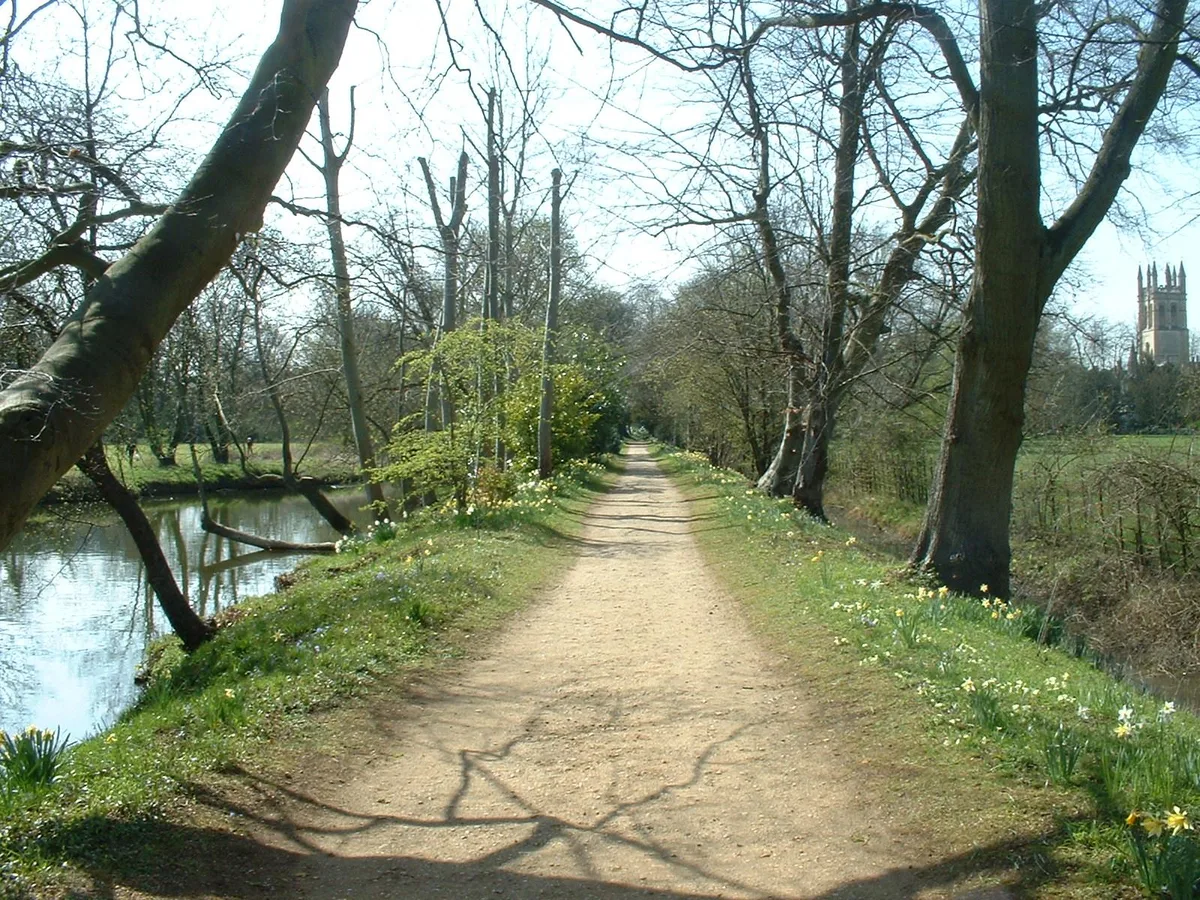
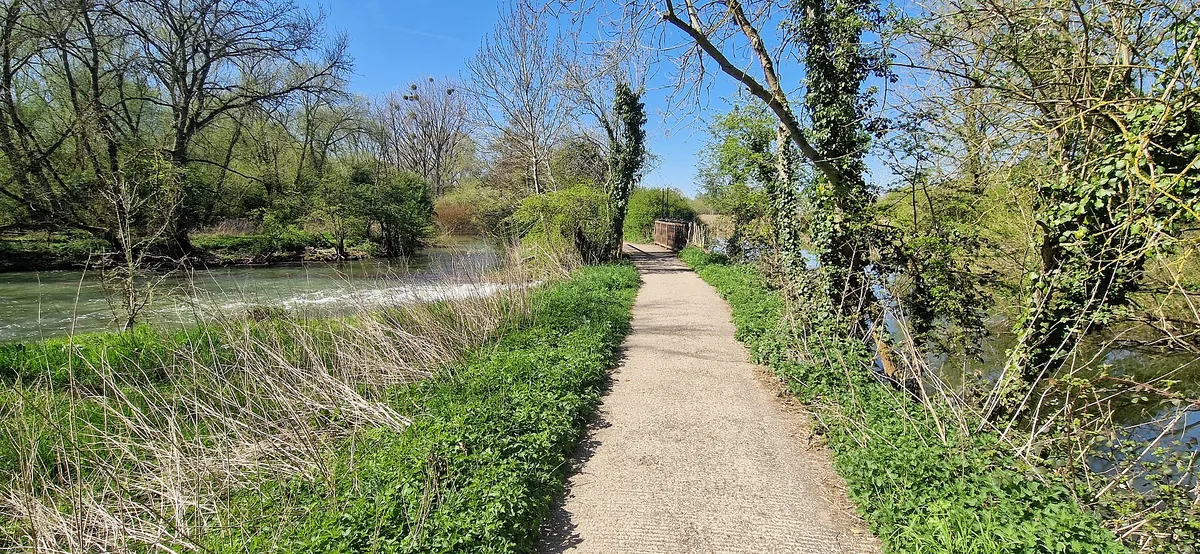
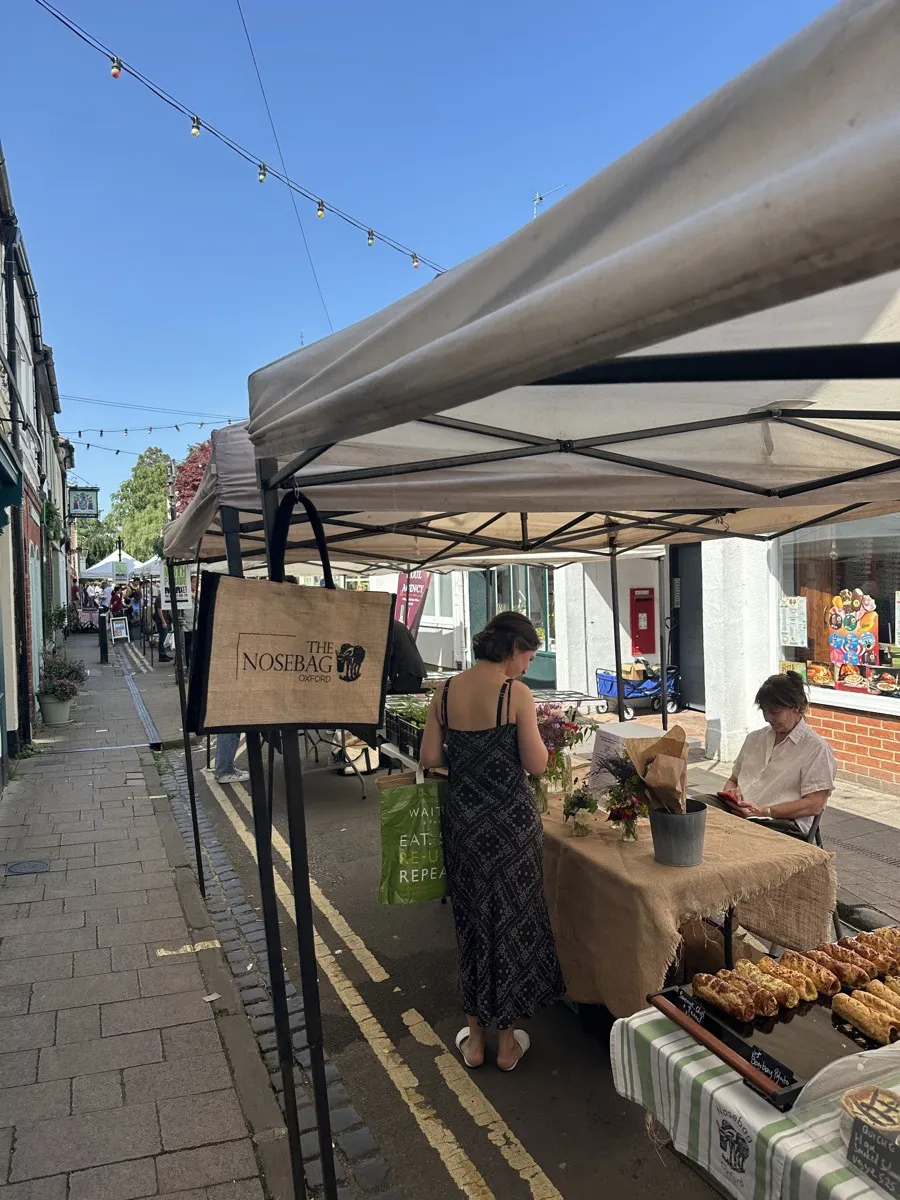
Wenn die Kinder Auslauf brauchen, ist Port Meadow ideal — eine weite, uralte Gemeindewiese, auf der Kinder rennen, am Themseufer planschen und Pferde und Kuehe beobachten koennen. Stocherkahn fahren auf dem Cherwell ab dem Botanischen Garten eignet sich fuer aeltere Kinder; der Abschnitt durch den University Park ist ruhig und flach. Der Covered Market ist fuer alle Altersgruppen geeignet: Kekse von Ben's Cookies als Bestechung, echte Metzger fuer Picknick-Vorraete und genuegend ueberdachte Flaeche fuer schlechtes Wetter.
Praktische Tipps
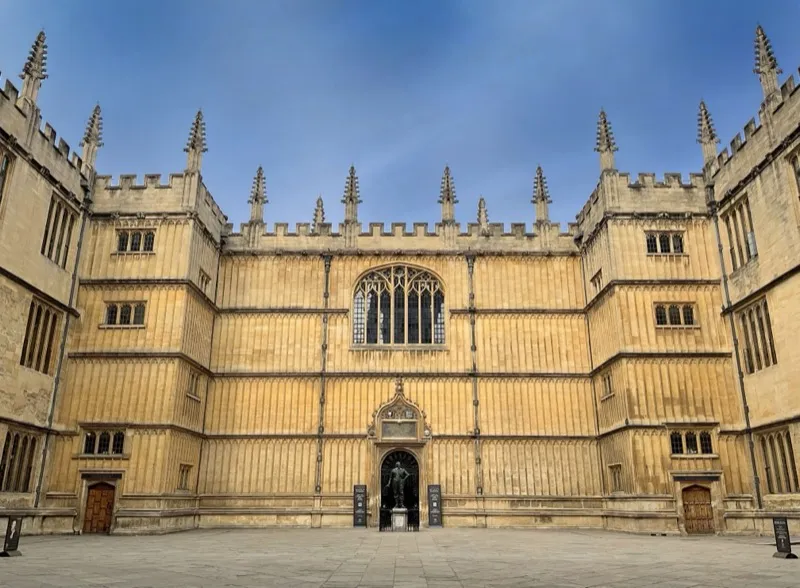
- Kinderwagenfreundliche Routen: Der Weg von der Broad Street zum Natural History Museum ist flach und breit. Der Covered Market ist vom Eingang an der High Street barrierefrei. Die meisten College-Innenhöfe haben Kieswege — grosse Raeder kommen durch, Buggys weniger.
- Toiletten: Im Westgate-Einkaufszentrum, am Gloucester Green und in allen Museen gibt es oeffentliche Einrichtungen. Das Natural History Museum hat einen Wickelraum.
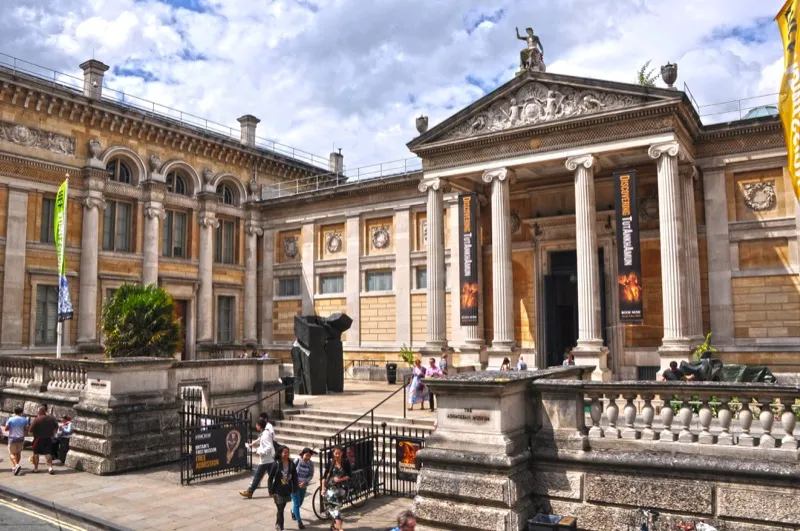
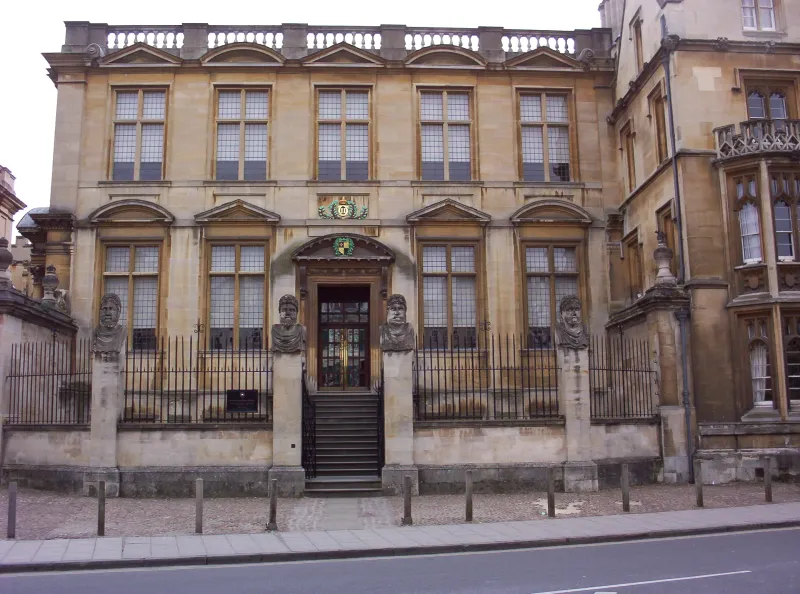
- Regenplan: Natural History Museum und Pitt Rivers Museum (intern verbunden) fuellen einen ganzen Vormittag. Das Ashmolean Museum mit seiner aegyptischen Abteilung und dem Dachcafe eignet sich fuer den Nachmittag. Der Covered Market ist komplett ueberdacht.
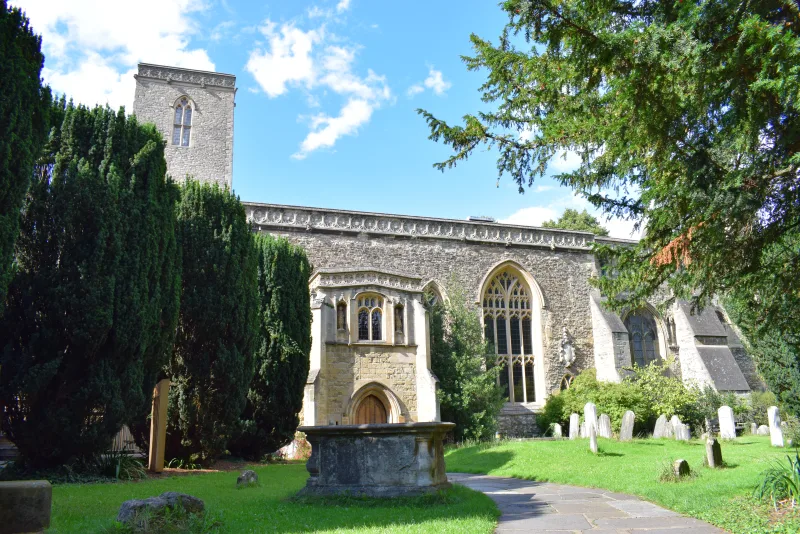
- Essen: Vaults and Garden (familienfreundlich, Aussensitzplaetze im Kirchhof), Atomic Burger (Kinder lieben die Deko) und die Staende im Covered Market sind gute Optionen fuer Familien.