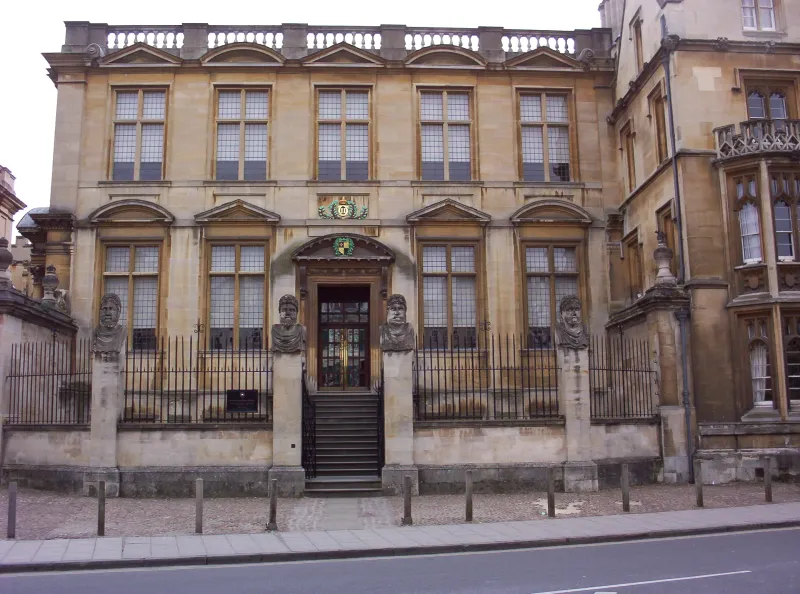
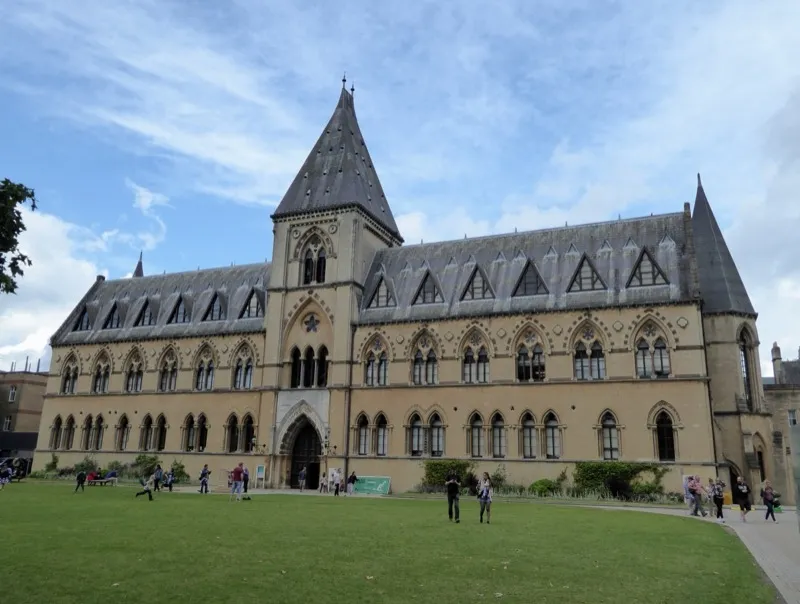
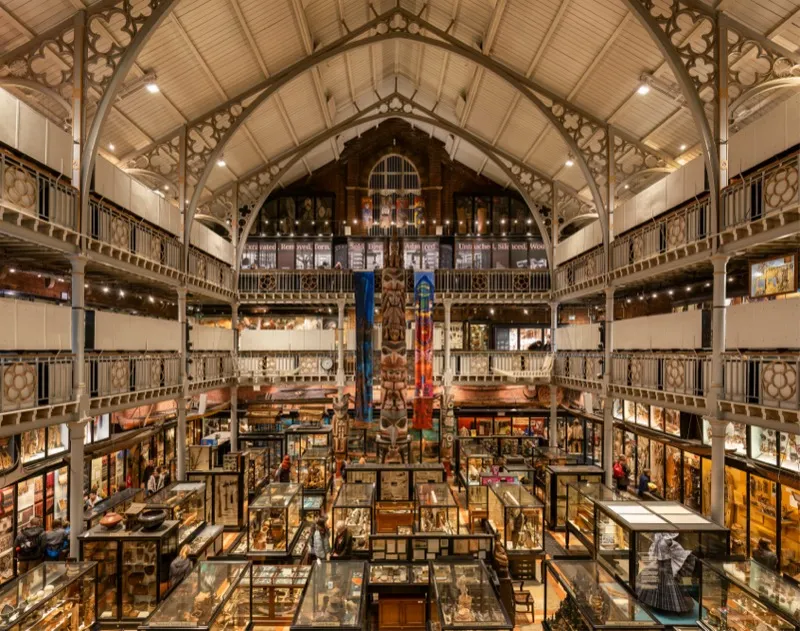
Oxford est l'une des villes d'Angleterre les plus adaptees aux familles, et la plupart des attractions majeures sont gratuites. Le Natural History Museum possede un squelette complet de T-Rex et une galerie de mineraux qui brillent sous les ultraviolets. Le Pitt Rivers Museum, juste a cote, est un cabinet de curiosites qui fascine les enfants : tetes reduites, totems, marionnettes d'ombre et sorcieres en bouteille. Les deux musees sont entierement gratuits.
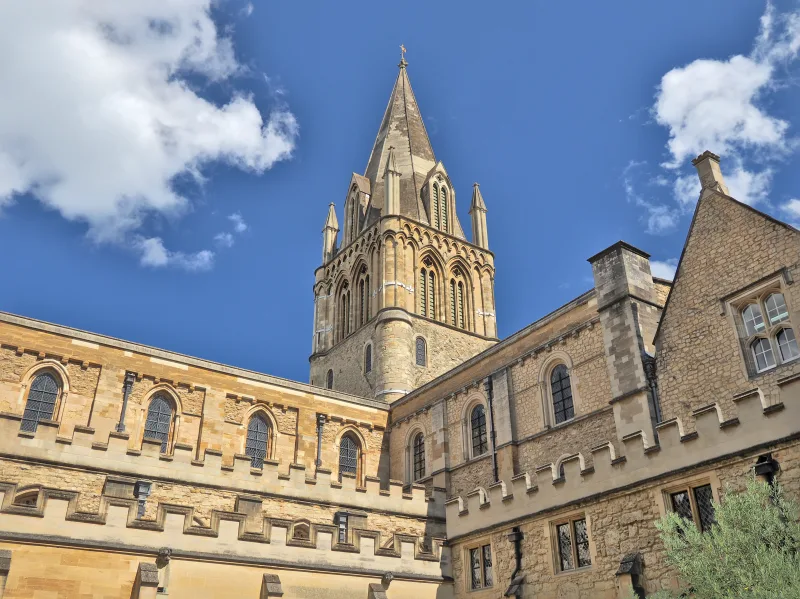
Christ Church est le college ou Charles Dodgson (Lewis Carroll) enseignait les mathematiques. On y trouve partout des traces d'Alice au pays des merveilles : la petite porte dans le grand hall, la cheminee qui a inspire le chat du Cheshire, et en face, Alice's Shop — le "Old Sheep Shop" de De l'autre cote du miroir, qui vend aujourd'hui des souvenirs sur le theme du pays des merveilles.
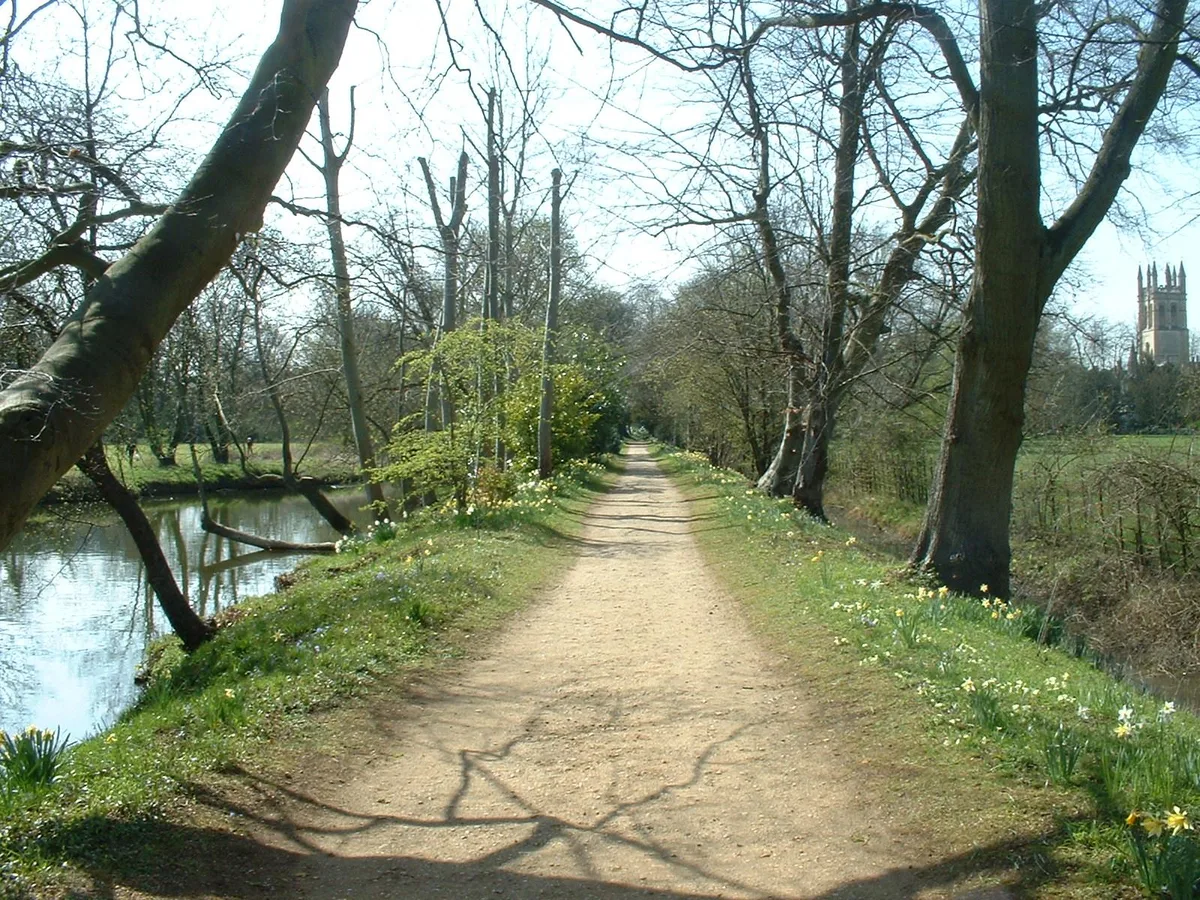
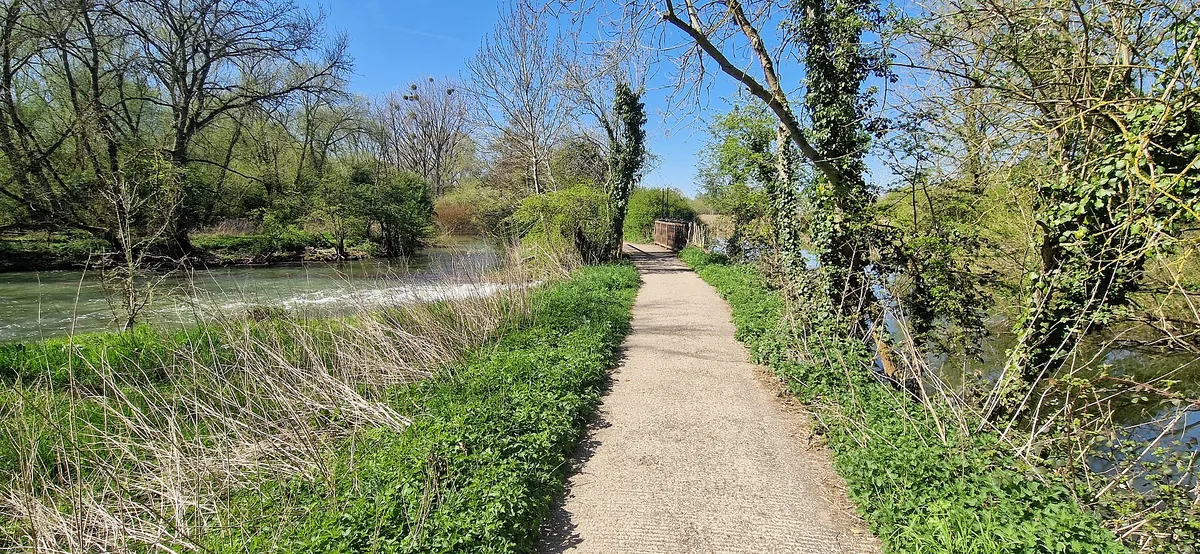
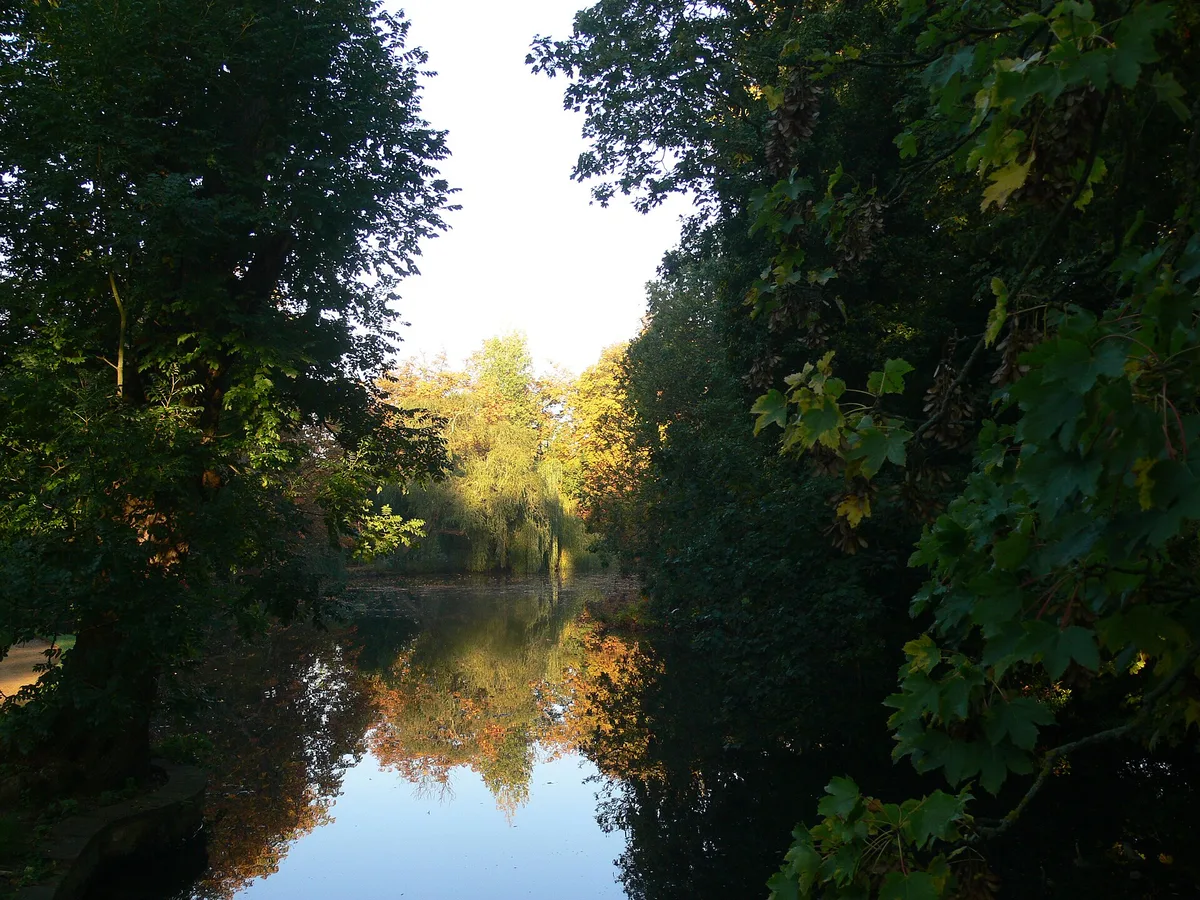
Quand les enfants debordent d'energie, direction Port Meadow — une vaste prairie commune ancestrale ou ils peuvent courir, patauger dans la Tamise et observer les chevaux et les vaches. La barque a perche (punting) sur la Cherwell depuis le Jardin botanique convient aux enfants plus ages ; le troncon qui passe par University Parks est calme et peu profond. Le Covered Market plait a tous les ages : les cookies de Ben's Cookies pour amadouer les petits, les boucheries pour preparer un pique-nique, et assez d'espace couvert pour les jours de pluie.
Conseils pratiques
- Itineraire accessible en poussette : le trajet de Broad Street au Natural History Museum est plat et large. Le Covered Market est accessible sans marches depuis l'entree de High Street. La plupart des cours de college ont un sol en gravier — les grandes poussettes passent, les poussettes-cannes moins bien.
- Toilettes : au Westgate Shopping Centre, a Gloucester Green et dans tous les musees. Le Natural History Museum dispose d'une salle de change pour bebes.
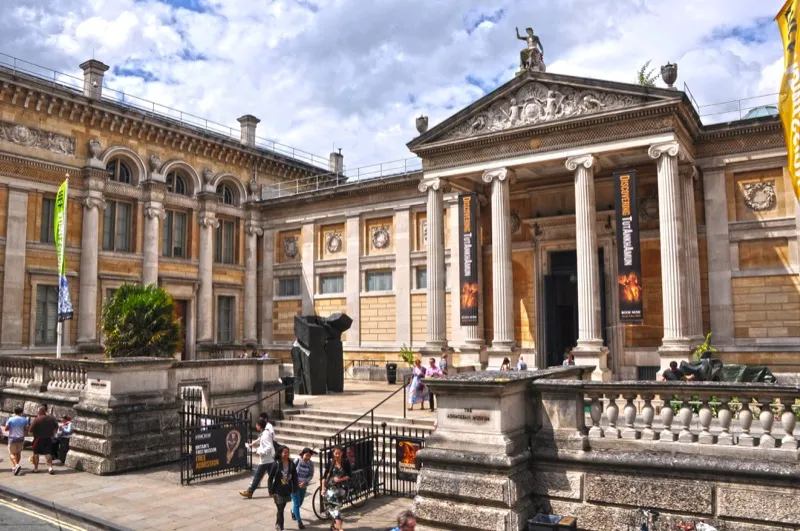
- Plan pluie : le Natural History Museum et le Pitt Rivers Museum (relies en interne) occupent une matinee entiere. L'Ashmolean Museum (galerie egyptienne et cafe sur le toit) est ideal l'apres-midi. Le Covered Market est entierement couvert.
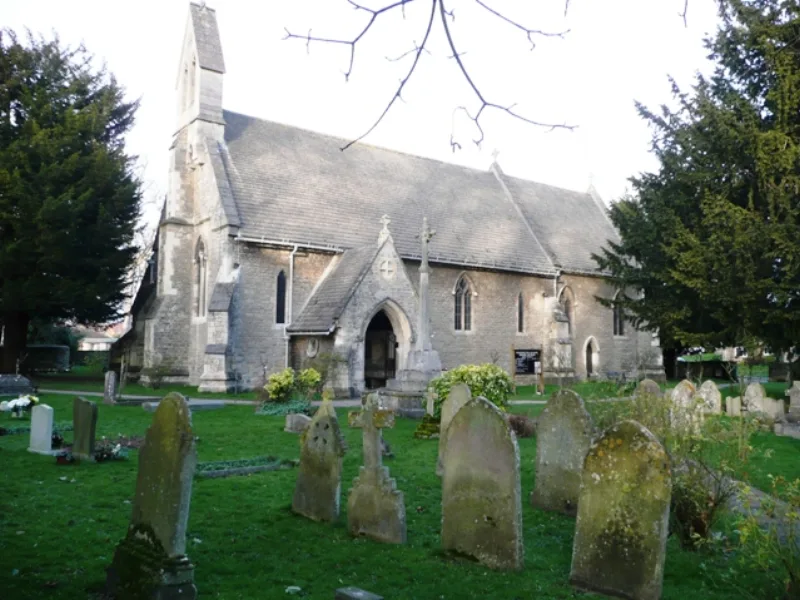
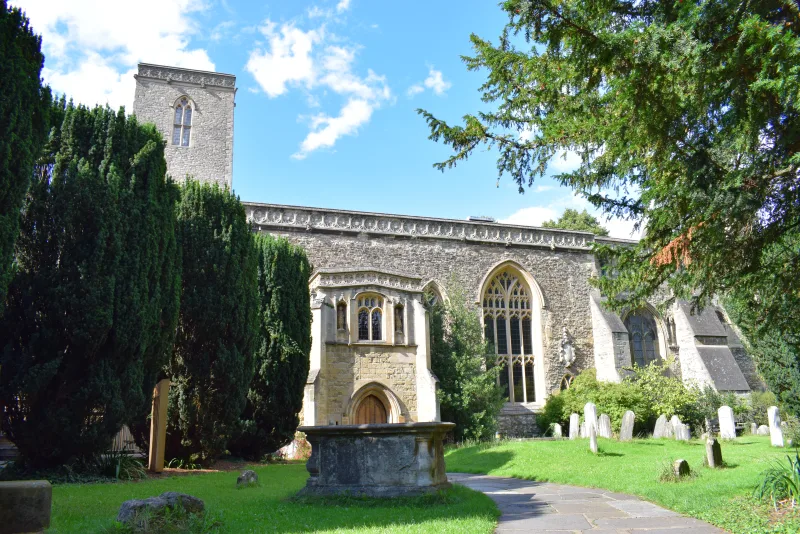
- Restauration : Vaults and Garden (accueille les familles, tables en terrasse dans la cour de l'eglise), Atomic Burger (les enfants adorent le decor) et les stands du Covered Market sont de bons choix pour les familles.