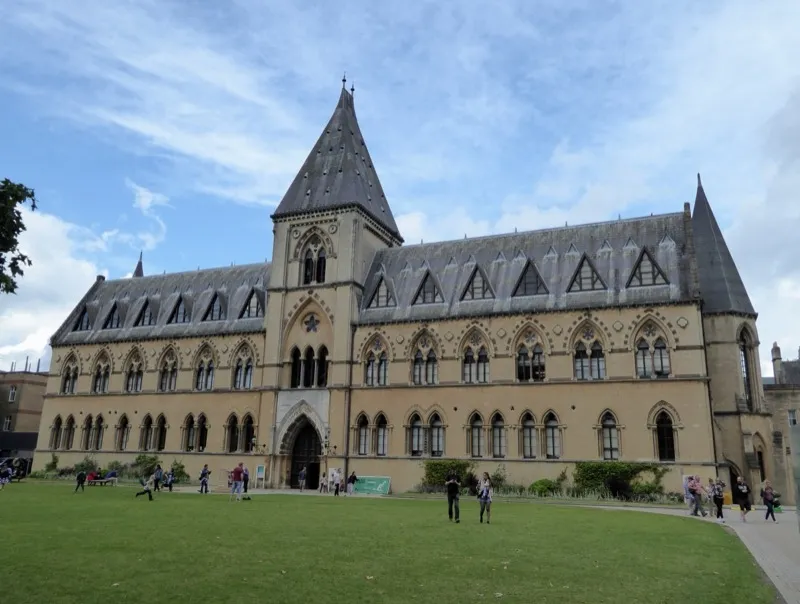
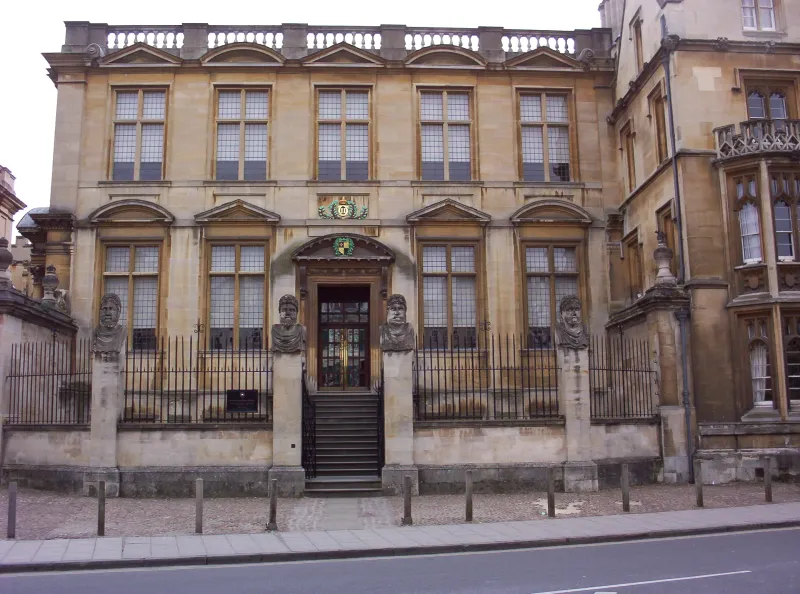
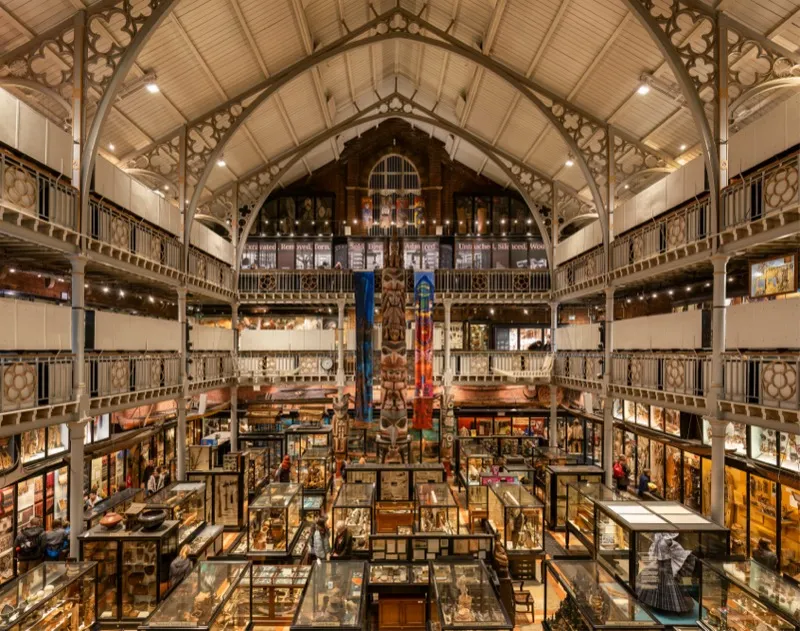
Oxford is one of the best cities in England for a family day out, and most of the highlights are free. The Natural History Museum has a full T. rex skeleton and a room of minerals that glows under UV light. Next door, the Pitt Rivers Museum is a cabinet of curiosities that holds children spellbound: shrunken heads, totem poles, shadow puppets, and a witch in a bottle. Both are completely free.
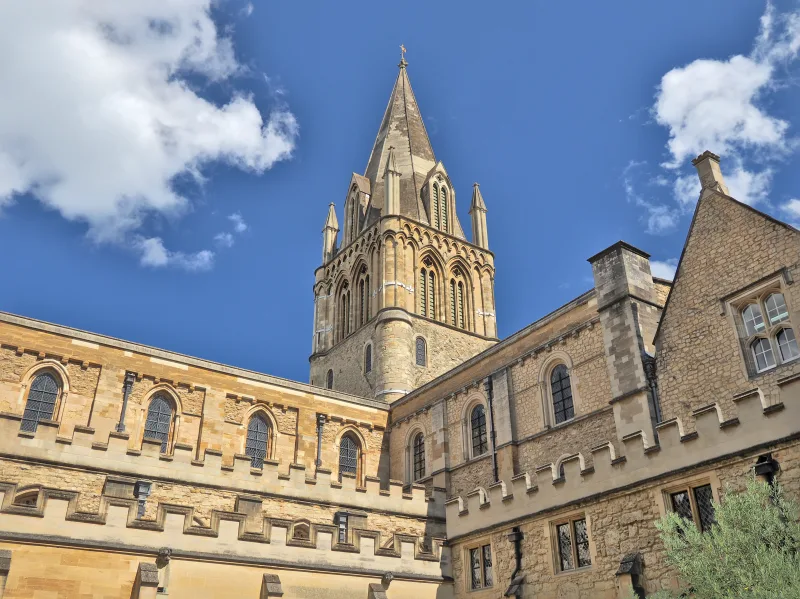
Christ Church is where Charles Dodgson (Lewis Carroll) was a maths don, and the college's connections to Alice in Wonderland are everywhere: the tiny door in the hall, the fireplace that inspired the Cheshire Cat, and Alice's Shop across the road, which sells Wonderland souvenirs and really was the "Old Sheep Shop" from Through the Looking-Glass.
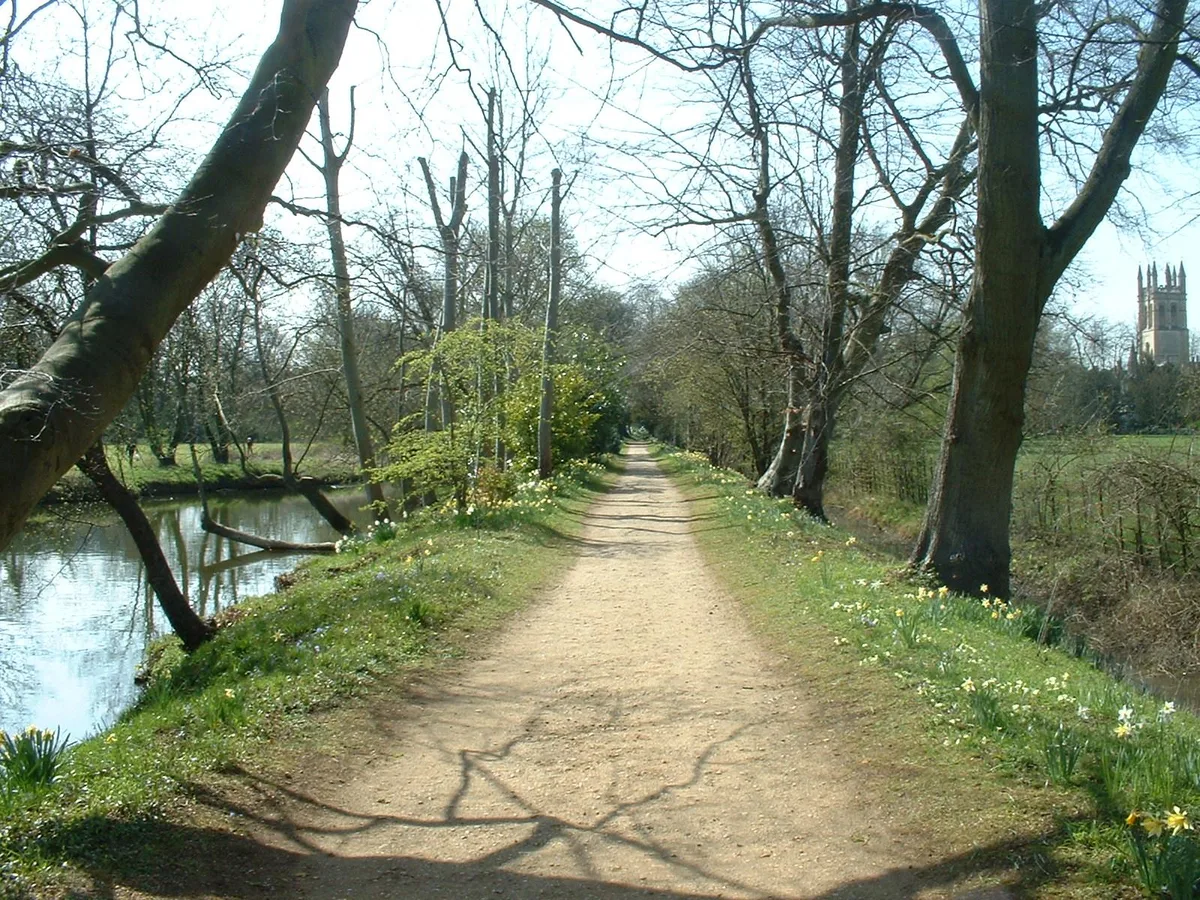
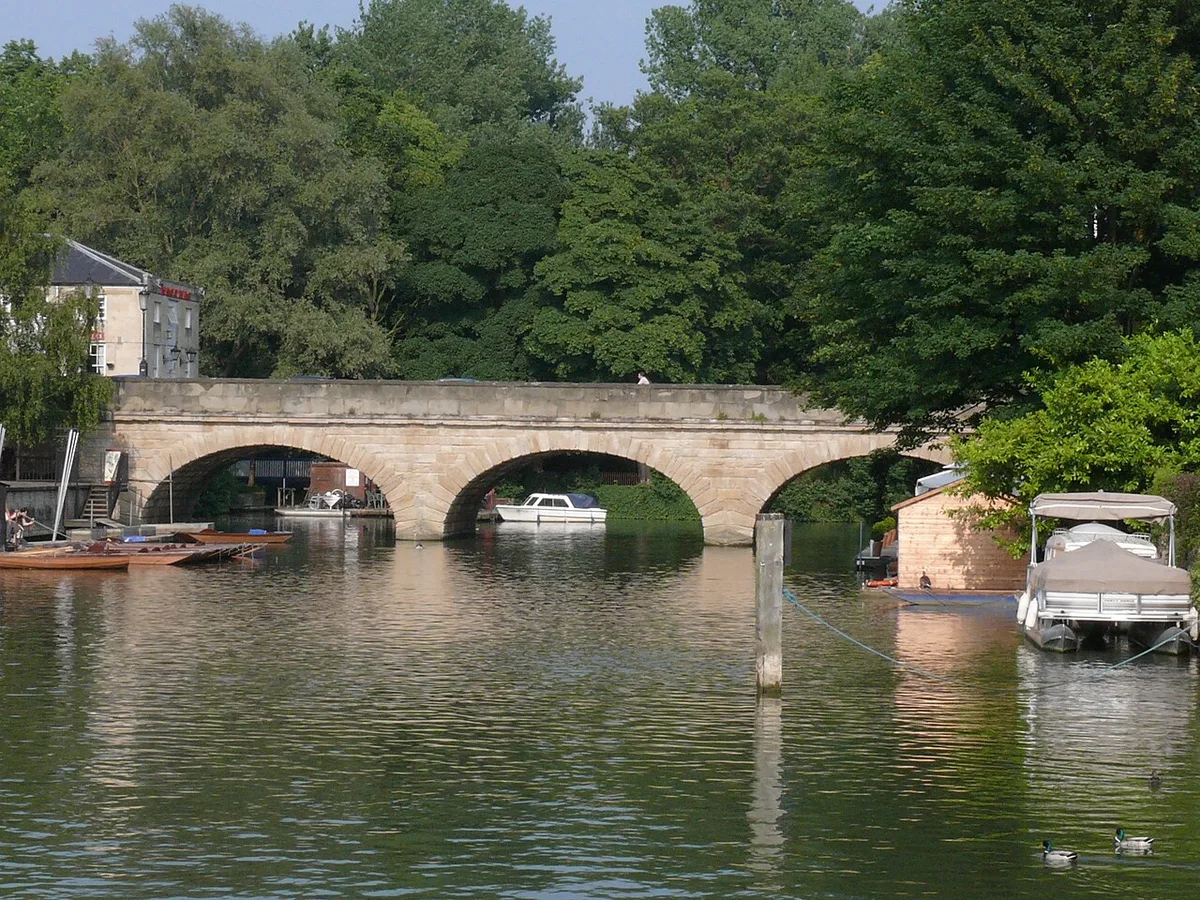
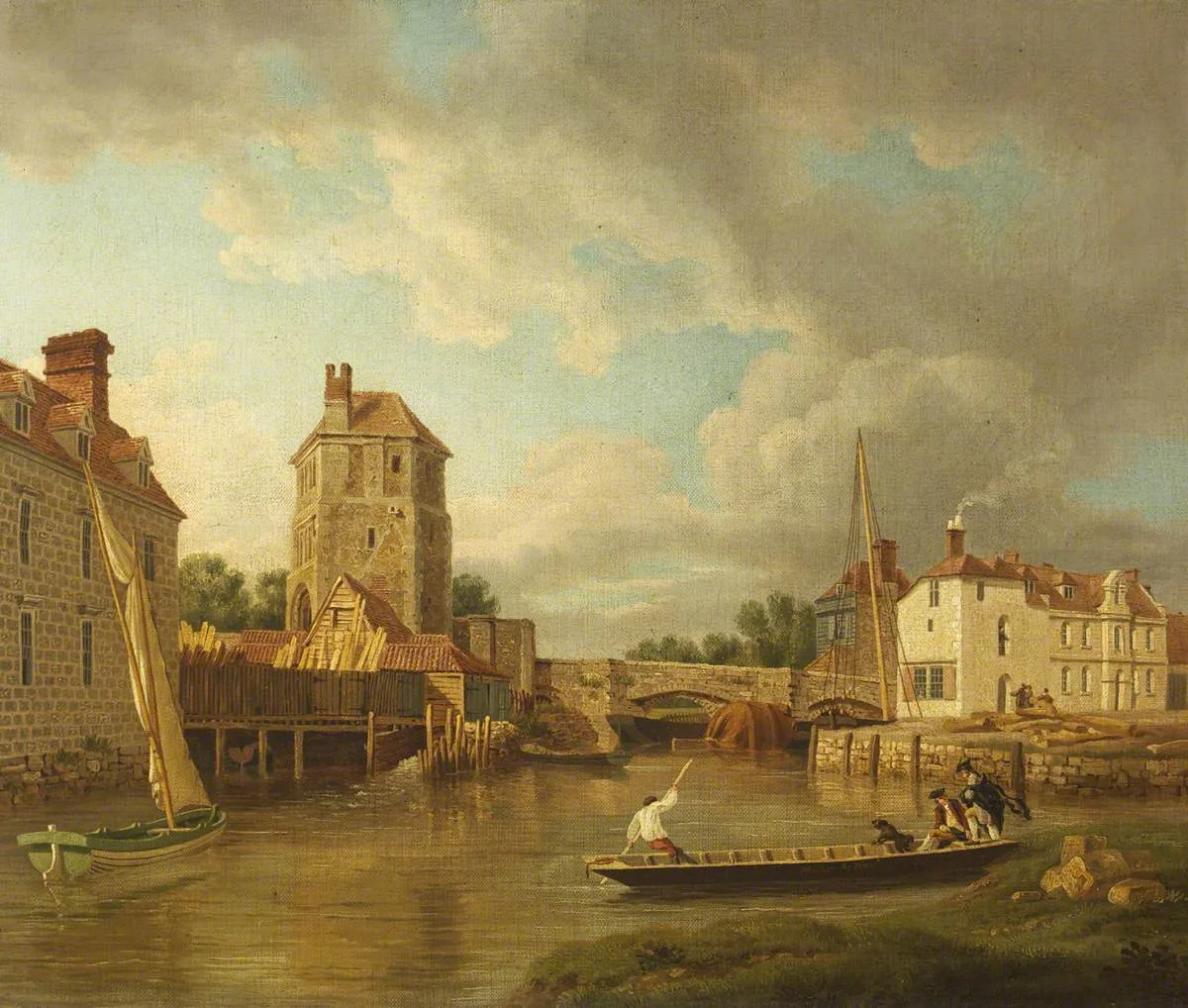
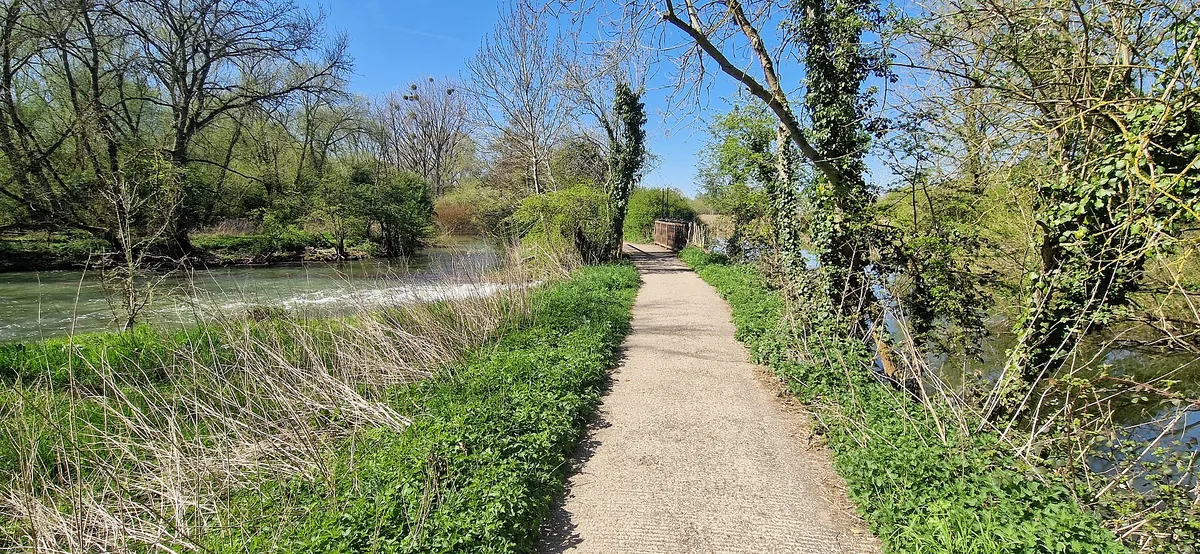
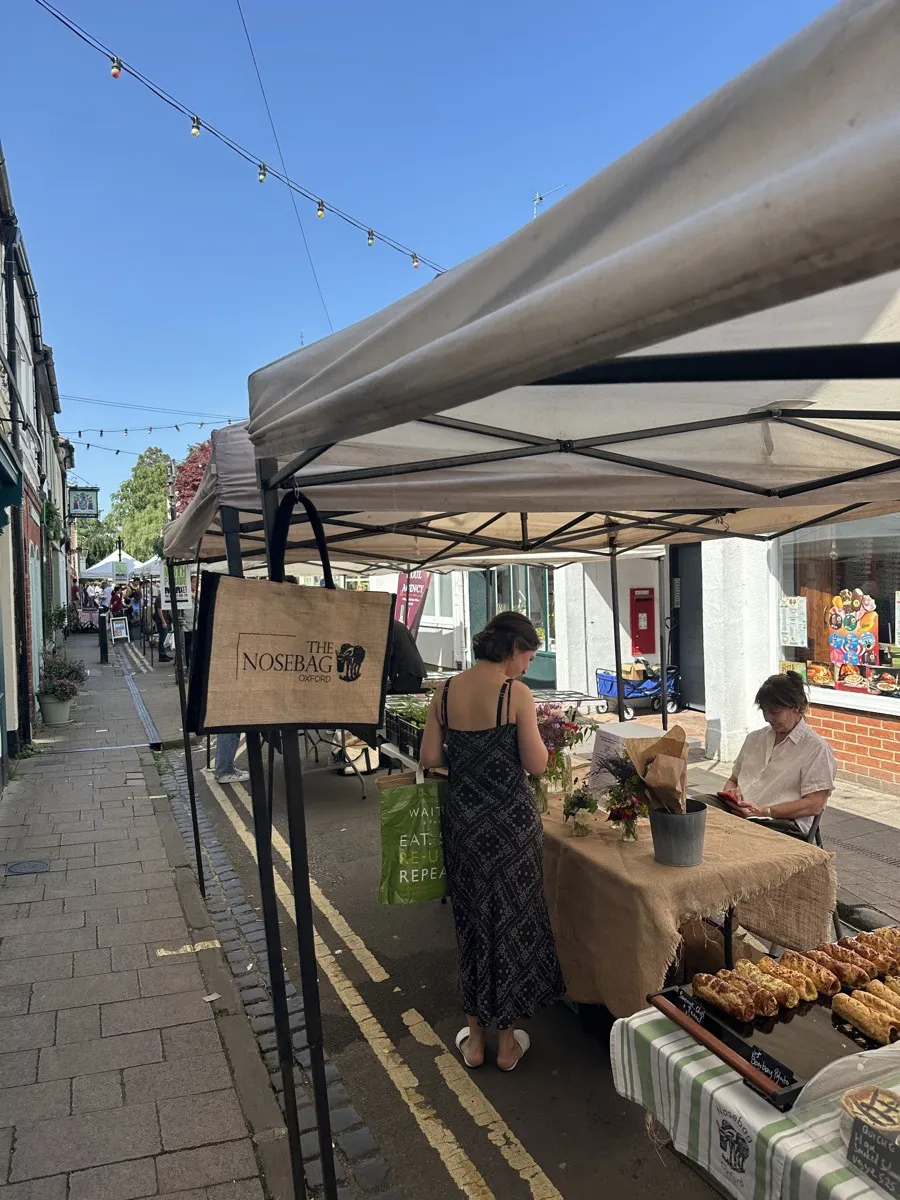
When energy levels are high, head to Port Meadow, a vast ancient common where children can run, paddle in the Thames, and spot horses and cattle. Punting on the Cherwell from the Botanic Garden is manageable with older children, and the stretch past the University Parks is calm and shallow. The Covered Market has something for everyone: Ben's Cookies for bribery, a proper butcher for picnic supplies, and plenty of covered space when the weather turns.
Practical tips
- Buggy-friendly routes: Broad Street to the Natural History Museum is flat and wide. The Covered Market has step-free access from the High Street entrance. Most college quads have gravel paths that work with larger-wheeled buggies but not umbrella strollers.
- Toilets: Public facilities at the Westgate Centre, Gloucester Green, and inside all museums. The Natural History Museum has a baby-change room.
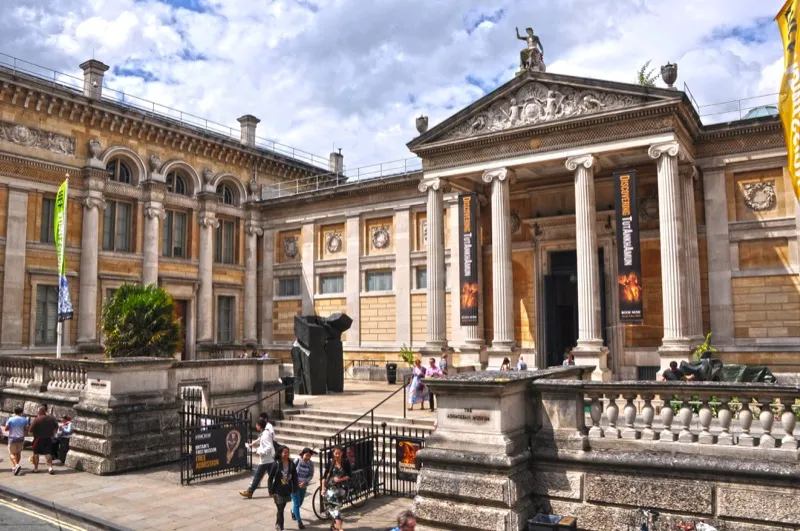
- Rainy day plan: Natural History Museum and Pitt Rivers (connected internally) can absorb a full morning. The Ashmolean's Egyptian galleries and roof-terrace cafe work well for an afternoon. The Covered Market is completely sheltered.
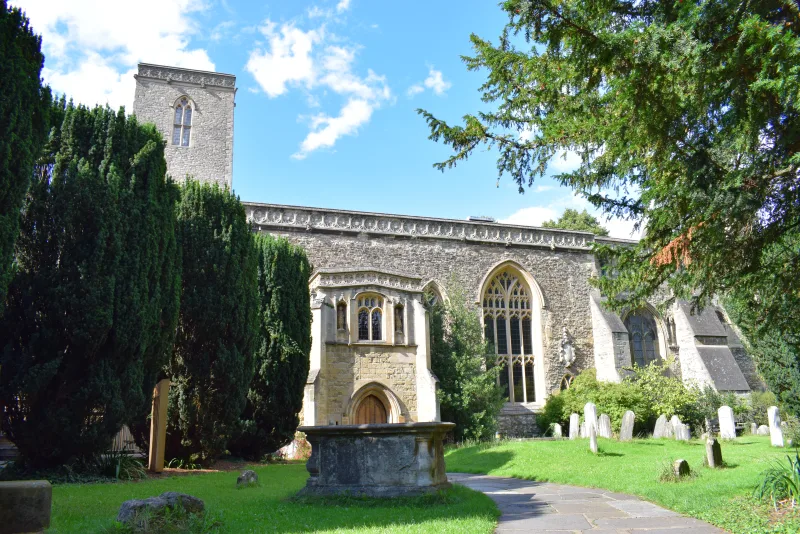
- Food: Vaults and Garden (family-welcoming, outdoor tables in a churchyard), Atomic Burger (kids love the decor), and the Covered Market stalls are all solid family options.