Alice's Shop
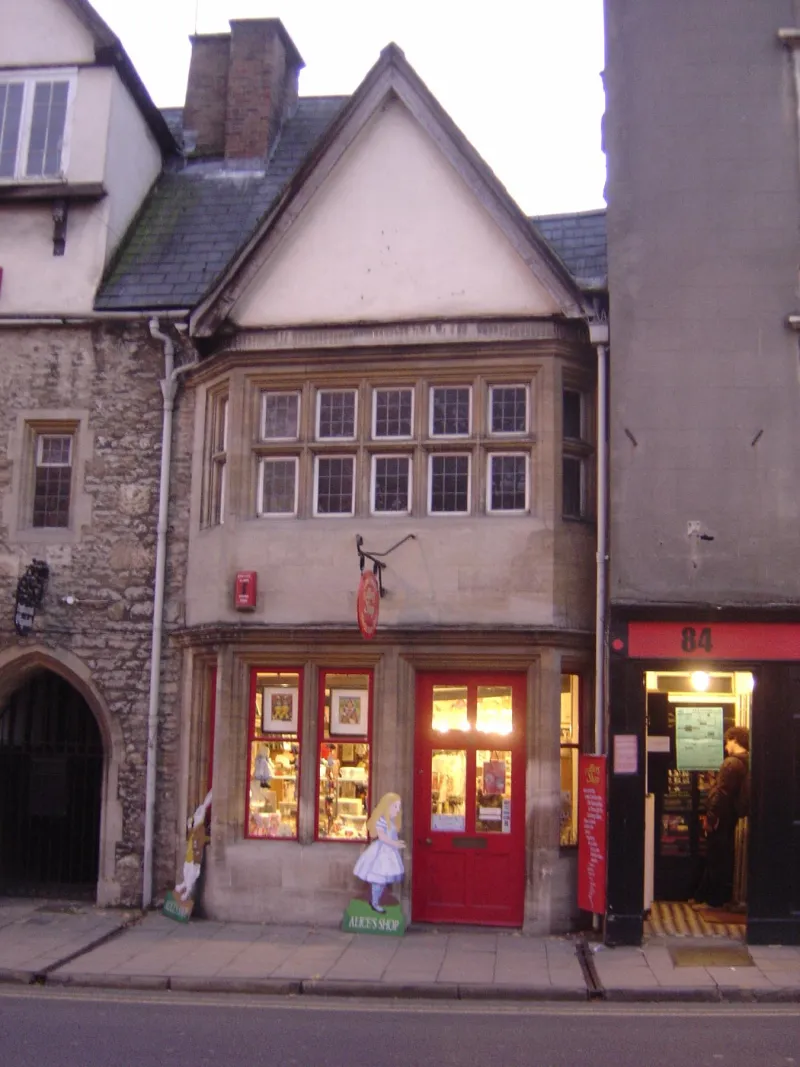
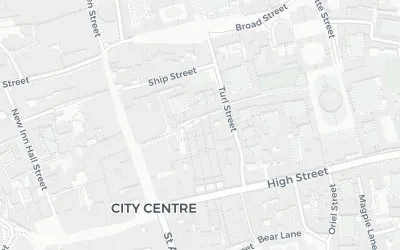
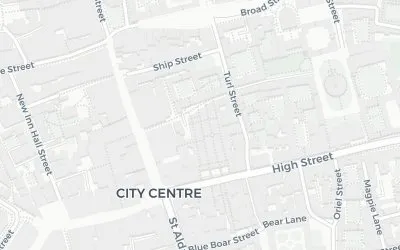
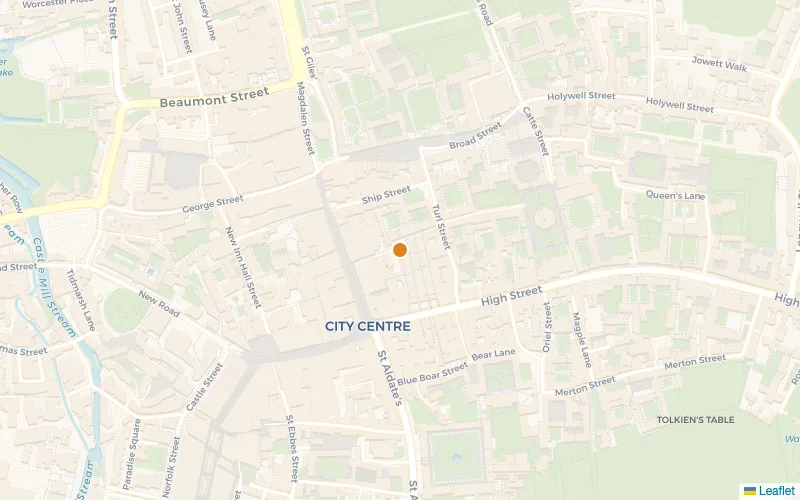
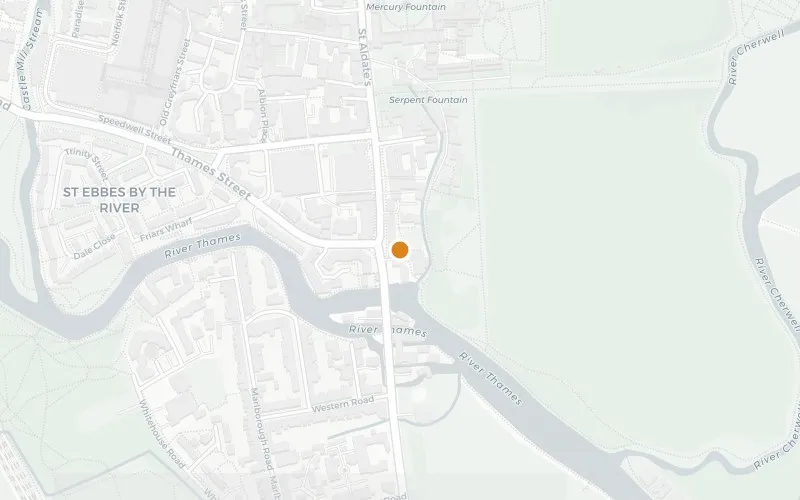
RecommendedThe real shop that inspired Tenniel's illustration in Through the Looking-Glass — now selling all things Alice.
在牛津诞生的伟大文学作品,比世界上几乎任何其他城市都多。托尔金在他的默顿学院(Merton College)书房里写下了《指环王》,并与C.S.刘易斯在圣贾尔斯街(St Giles')的Eagle and Child酒吧一起畅饮。刘易斯·卡罗尔为基督教堂学院院长的女儿创造了爱丽丝。菲利普·普尔曼将《黑暗物质三部曲》设定在Jordan College(虚构的埃克塞特学院)。柯林·德克斯特则让摩斯探长几乎走遍了牛津的每一家酒吧。牛津不仅是文学的背景——它塑造了文学。
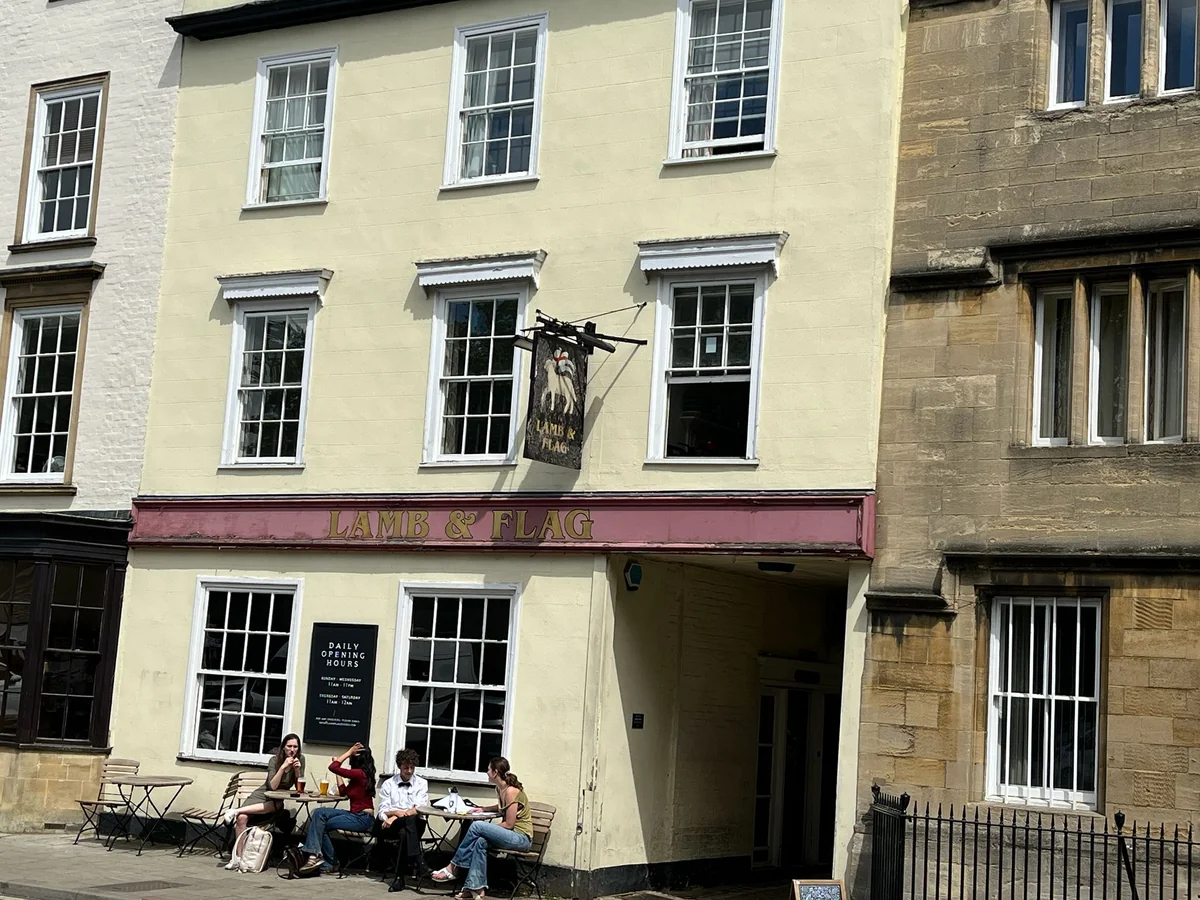
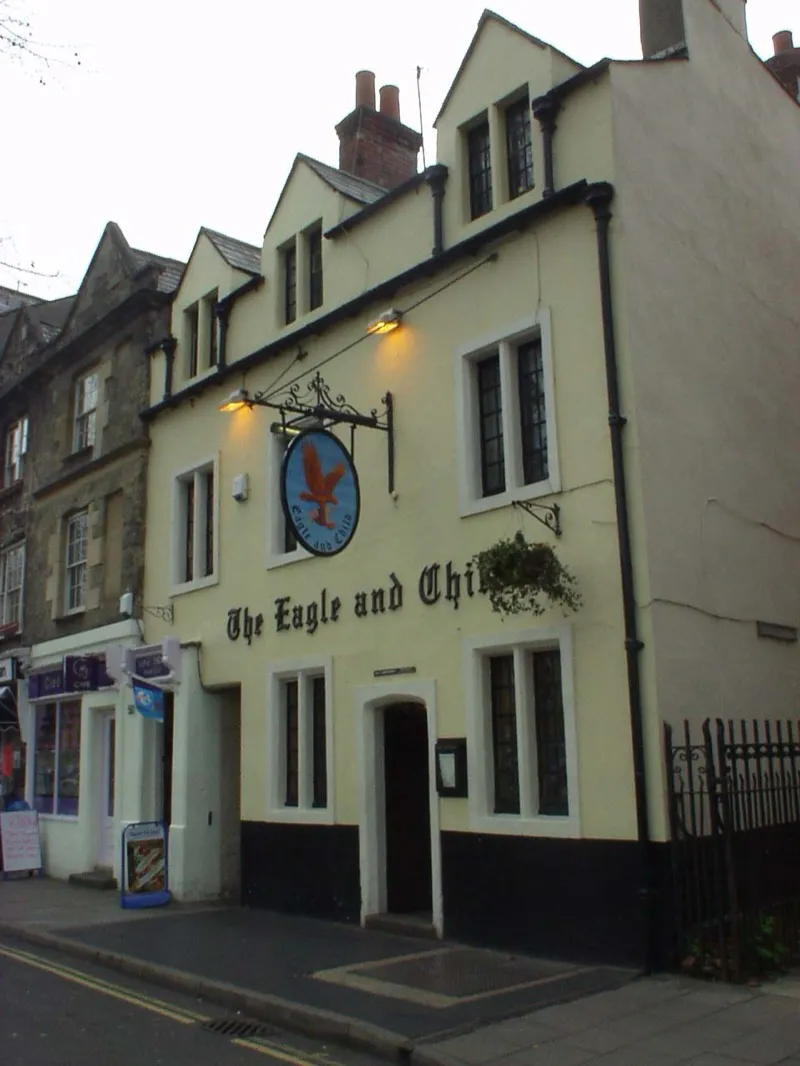
J.R.R.托尔金和C.S.刘易斯是"墨客社"(Inklings)的核心成员,这是一个非正式的文学团体,每周二上午在圣贾尔斯街的Eagle and Child酒吧(常客们称之为"Bird and Baby")聚会。后来Eagle的后厅变得太吵,他们就搬到了街对面的Lamb and Flag。托尔金曾是埃克塞特学院(Exeter College,1911-1915年)的研究员,后来担任默顿学院的英语教授(1945-1959年)。刘易斯在莫德林学院(Magdalen College)担任研究员近三十年。刘易斯在黑丁顿(Headington)的故居The Kilns可以预约参观。
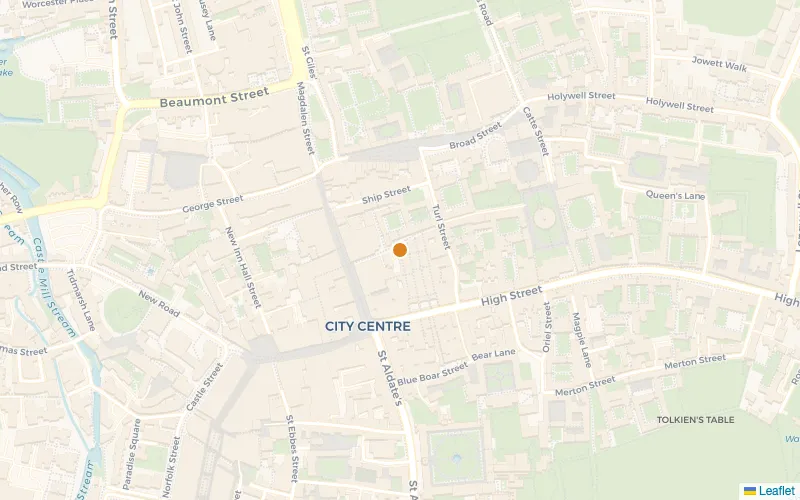
查尔斯·道奇森(Lewis Carroll 刘易斯·卡罗尔)一生大部分时间在基督教堂学院担任数学讲师。爱丽丝的故事最初是在泰晤士河上的一次划船中讲给院长的女儿爱丽丝·利德尔听的。学院大厅华丽的壁炉启发了关键场景。圣奥尔德特街(St Aldate's)对面的爱丽丝商店(Alice's Shop)就是《爱丽丝镜中奇遇》里的"老绵羊商店"原型,现在出售仙境主题纪念品。
普尔曼在1960年代就读于埃克塞特学院。他虚构的Jordan College借鉴了埃克塞特的布局,但也参考了其他几所学院。博德利图书馆、室内市场和皮特河博物馆都出现在《黑暗物质三部曲》中。普尔曼说过,他之所以将小说设定在牛津,是因为这座城市的建筑看起来仿佛随时可能藏着通往另一个世界的门。
柯林·德克斯特的摩斯探长小说及后来的电视剧以牛津为大气的谋杀案背景。摩斯在King's Arms、White Horse和Turf Tavern喝酒。拍摄地点包括Brasenose、Wadham、Hertford和Exeter学院。博蒙特街(Beaumont Street)上的Randolph酒店反复出现。摩斯主题步行游至今仍然很受欢迎,Turf Tavern有一块纪念该系列的牌匾。
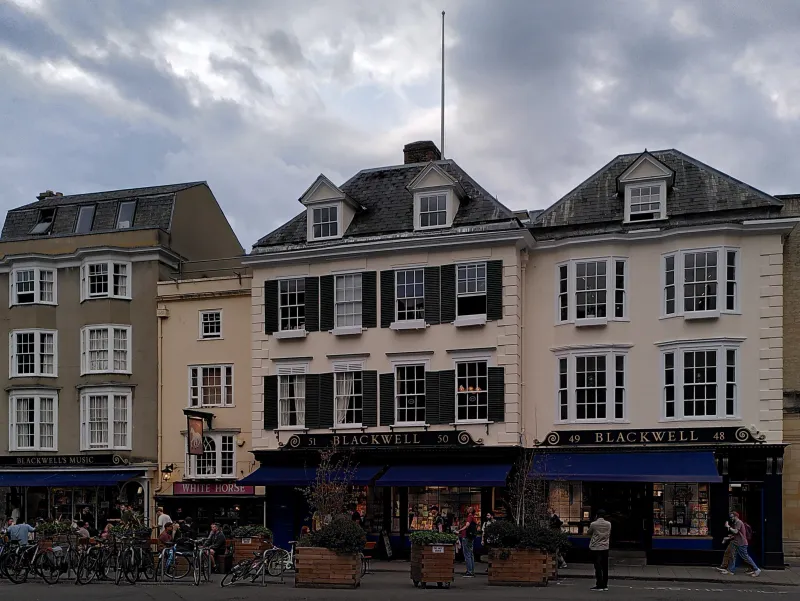
宽街(Broad Street)上的Blackwell's是世界上最伟大的书店之一,地下的Norrington Room拥有超过三英里长的书架。博德利图书馆商店出售学术书籍和文学礼品。想要珍稀版本和古董书,高街上的Sanders of Oxford有地图、版画和首版书。
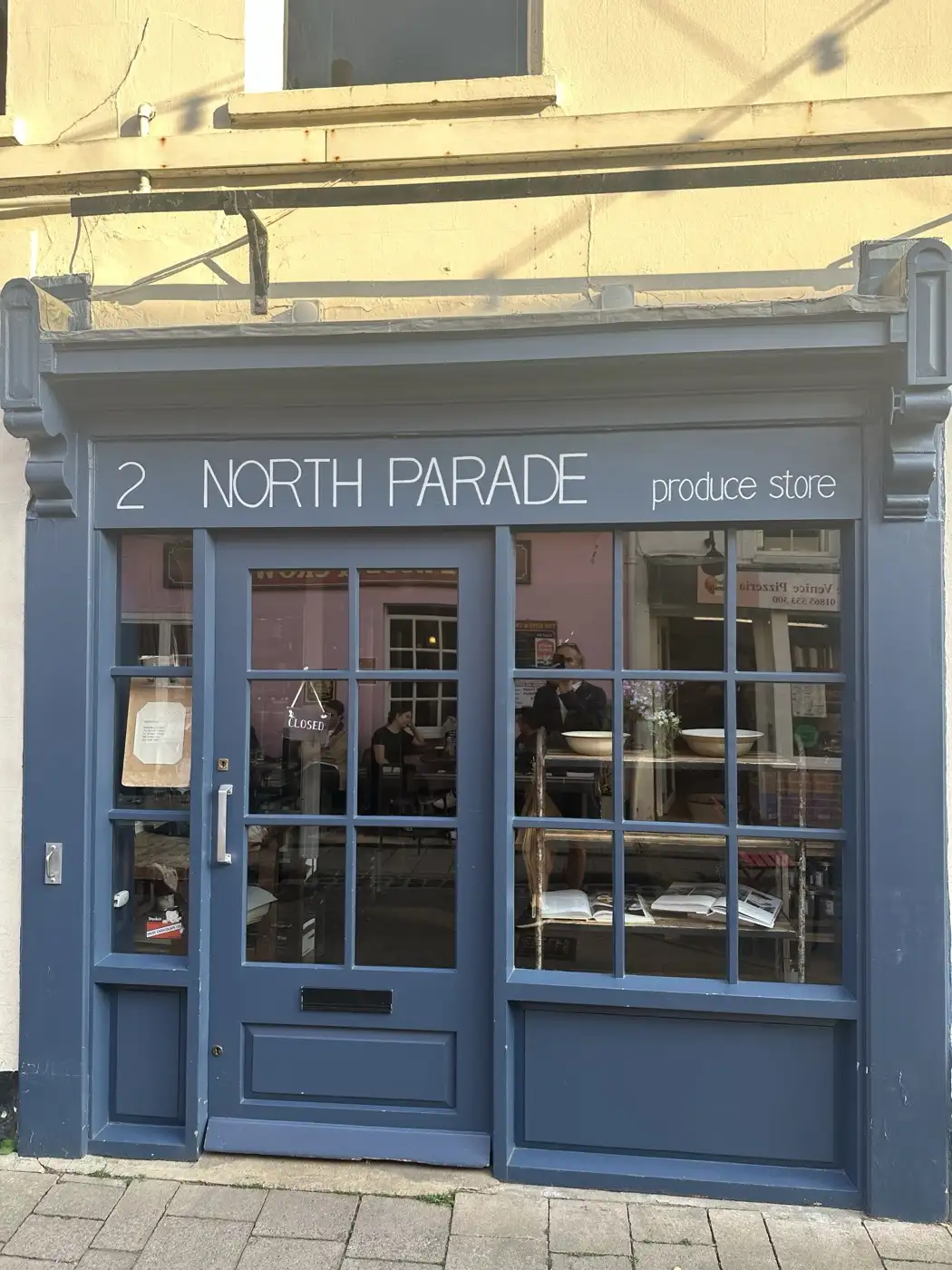
The real shop that inspired Tenniel's illustration in Through the Looking-Glass — now selling all things Alice.
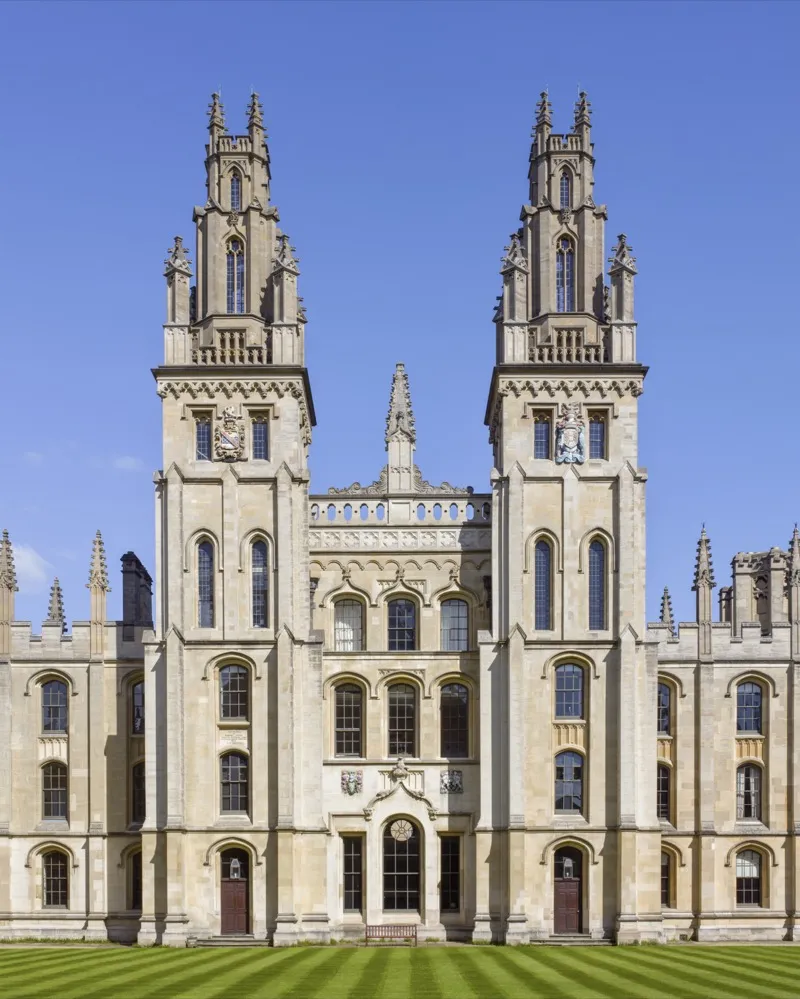
No students, the hardest exam in the world, and Hawksmoor's twin towers
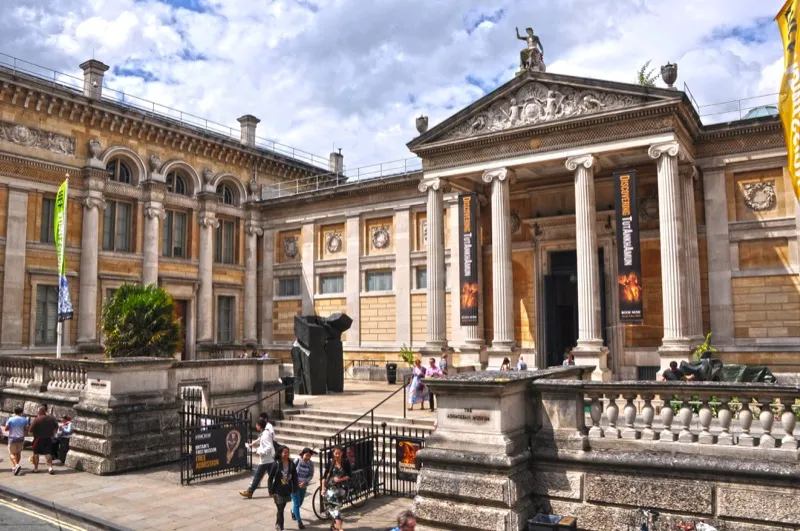
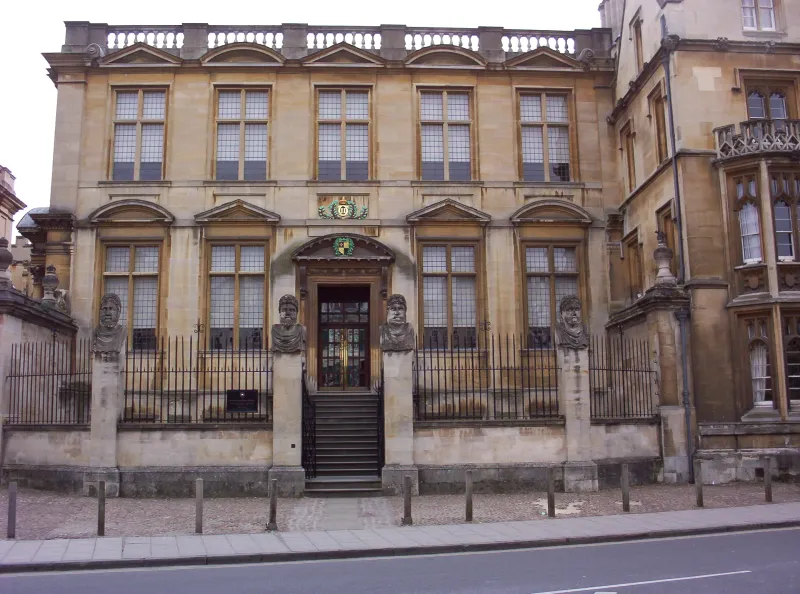
The world's first university museum — free, with major collections of art and archaeology.
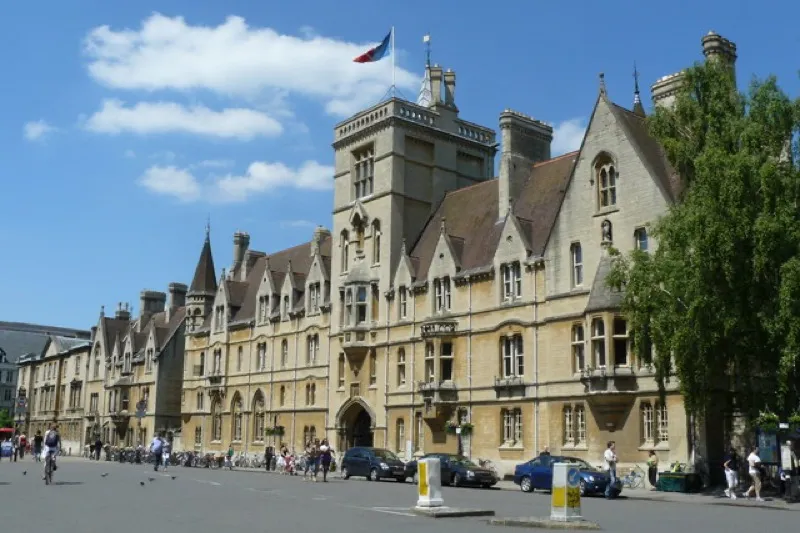
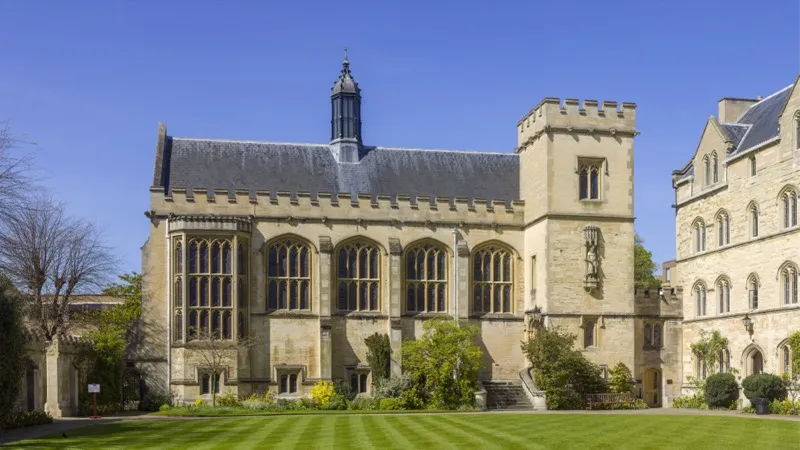
One of Oxford's oldest colleges — plain outside, historically significant inside
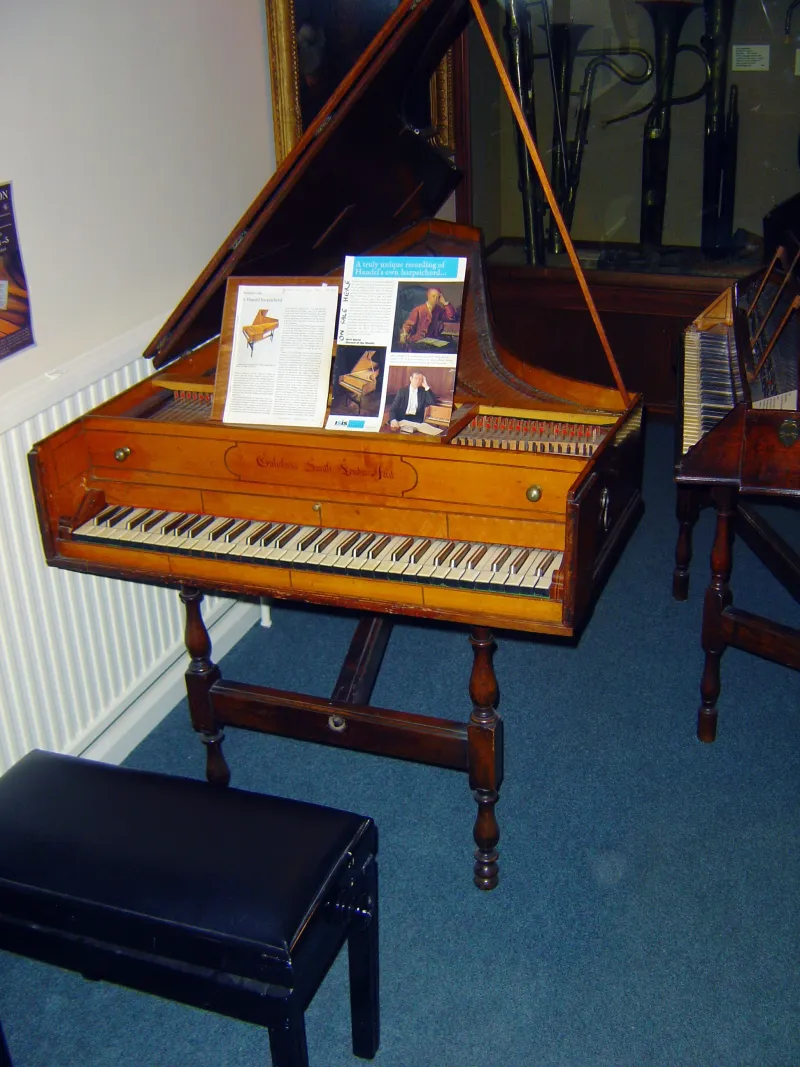
A specialist collection of historical musical instruments, from medieval to modern.
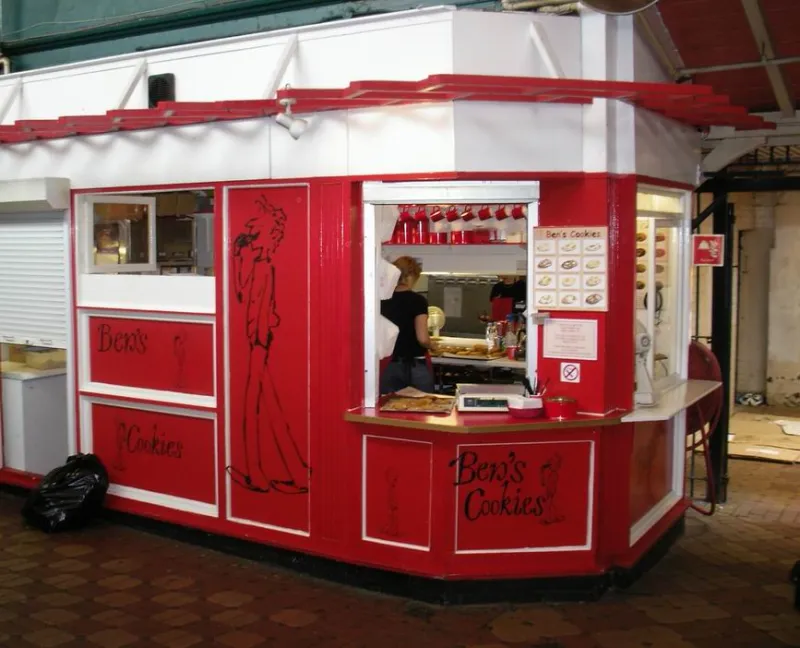
The original Ben's Cookies — baked fresh in the Covered Market since 1984, famous far beyond Oxford.
An Oxford institution since 1879 — Broad Street bookshop with the cavernous Norrington Room below.
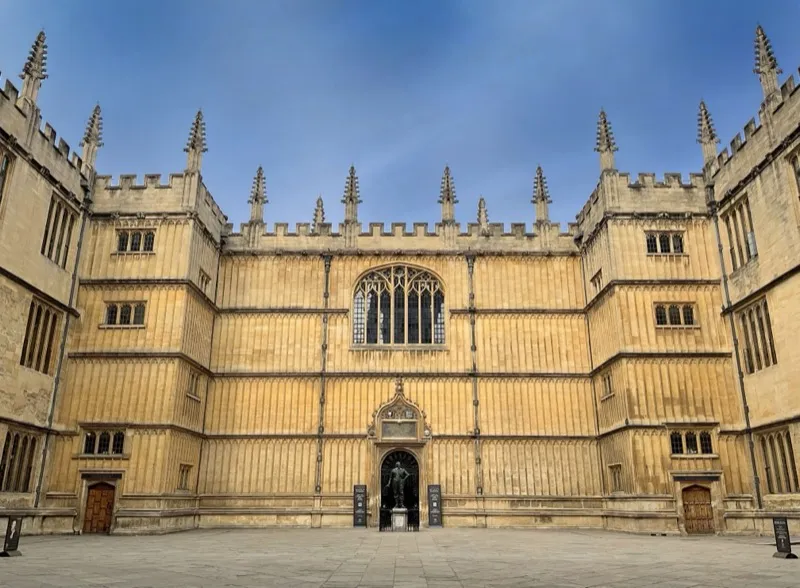
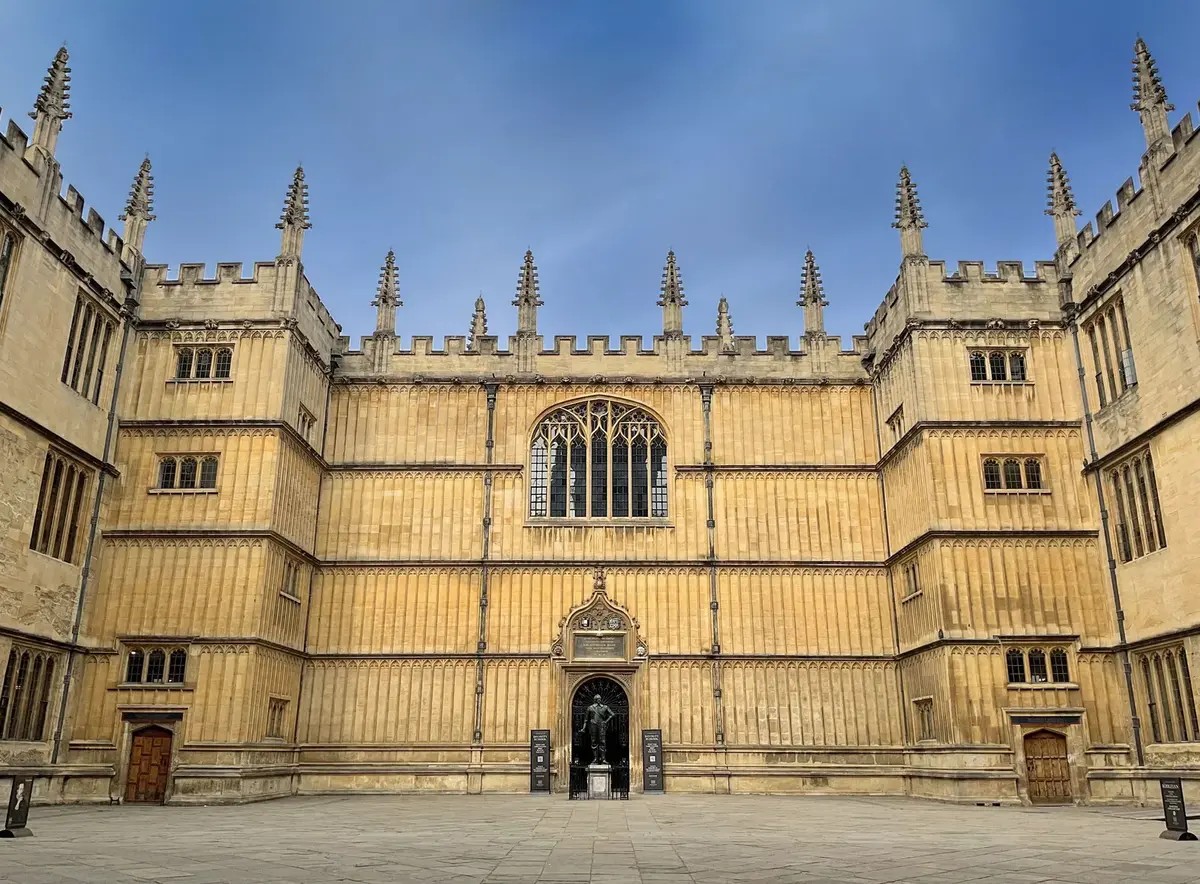
One of the oldest libraries in Europe — the Divinity School, Duke Humfrey's Library, and the Radcliffe Camera.
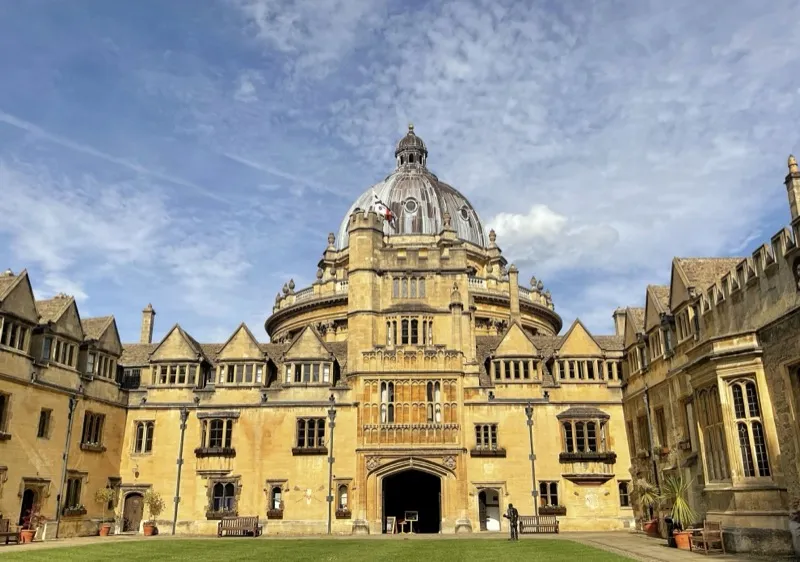
Right behind the Radcliffe Camera — an intimate college with a painted chapel ceiling
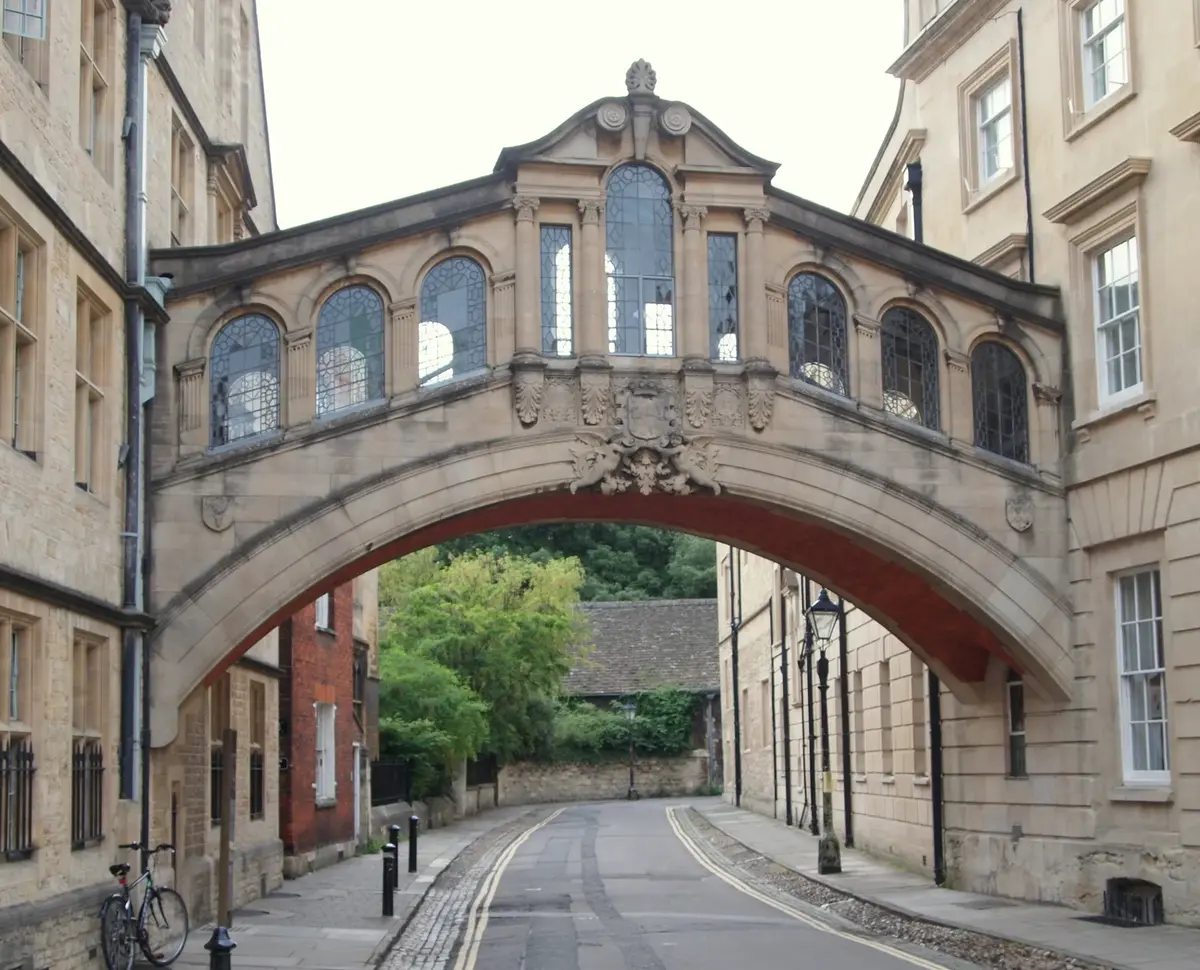
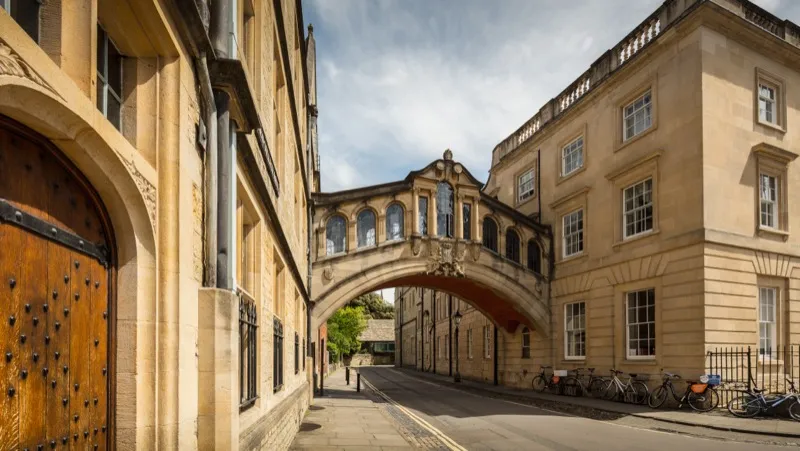
Hertford College's 1914 covered skyway over New College Lane — Oxford's most photographed bridge, despite resembling neither of the actual Bridges of Sighs.
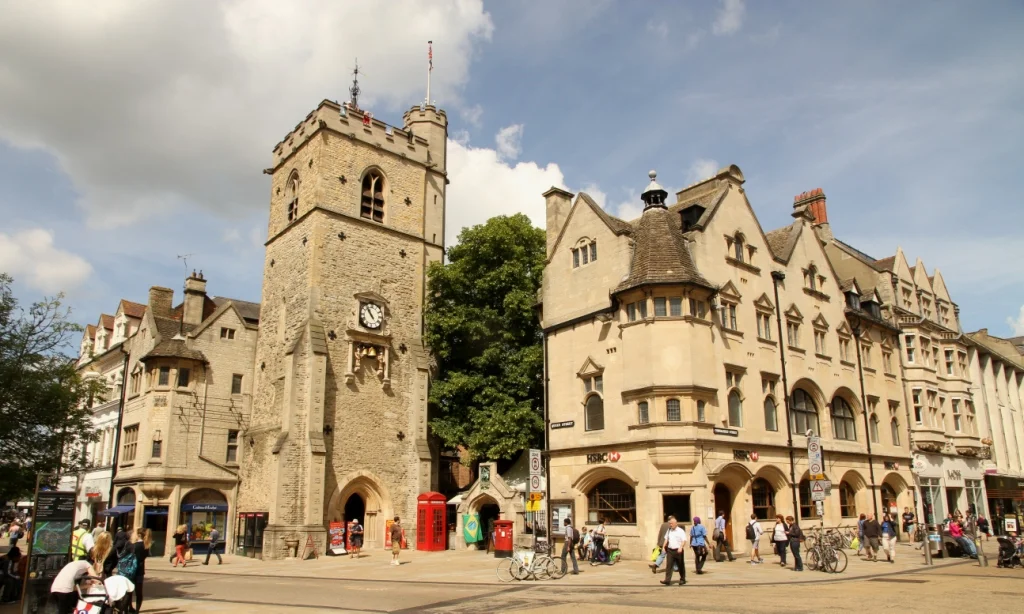
The 23-metre Saxon-medieval tower at the centre of Oxford — climb 99 steps for a four-way panorama.
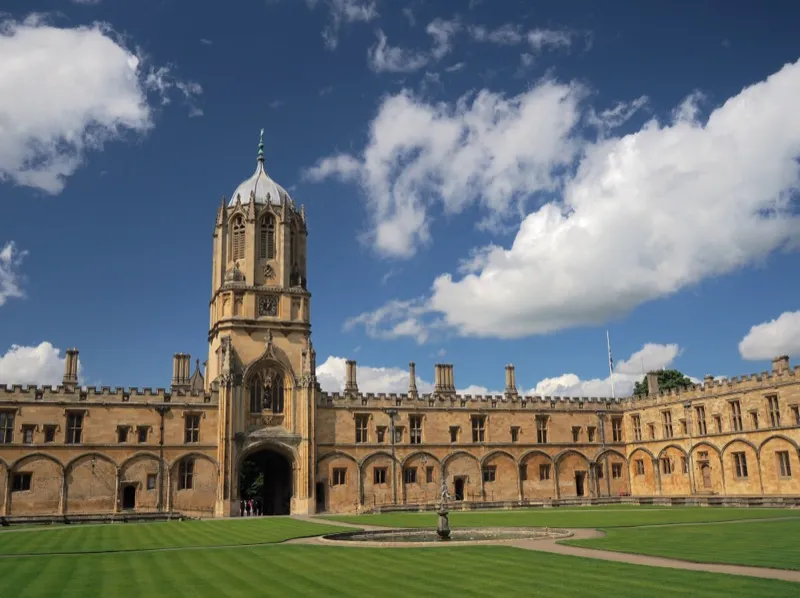
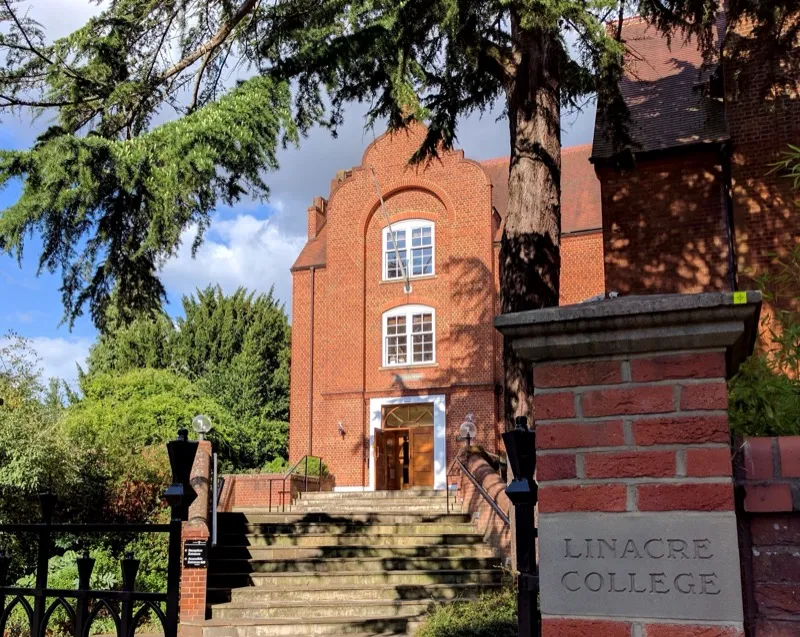
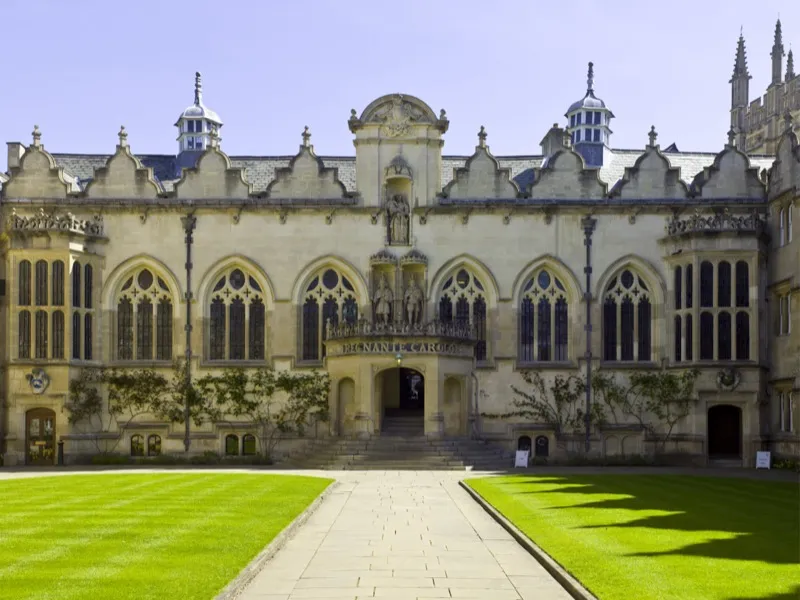
Oxford's grandest college — part cathedral, part palace, all spectacle
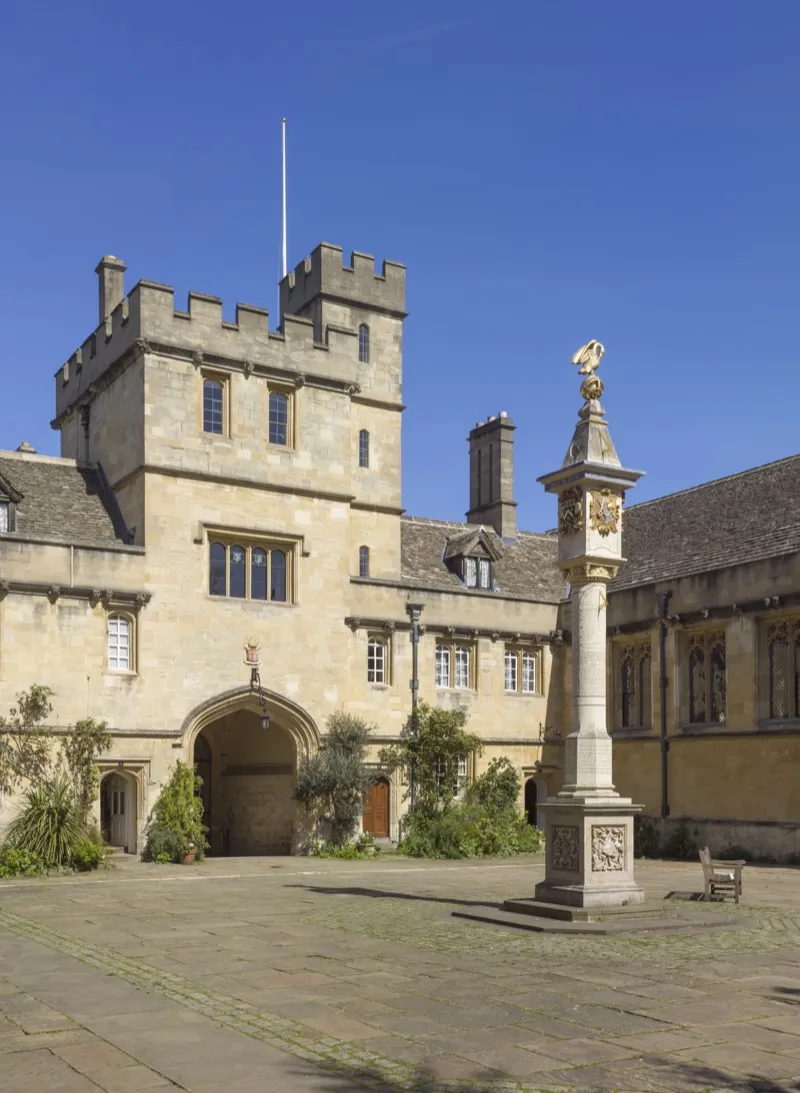
One of Oxford's smallest colleges, with a famous pelican sundial
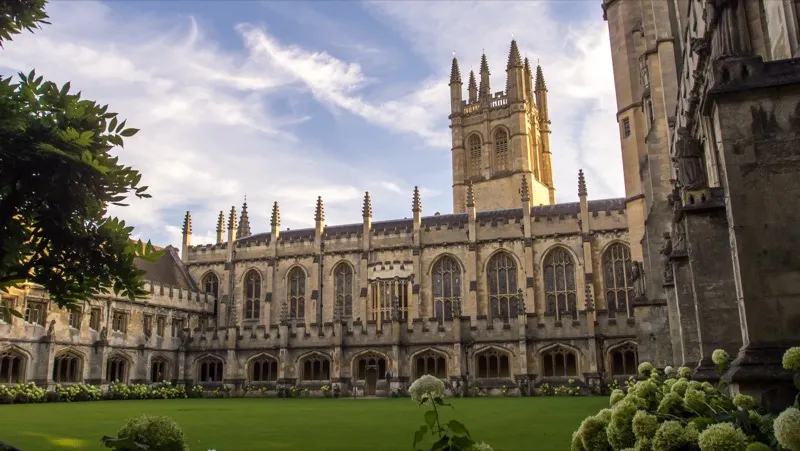
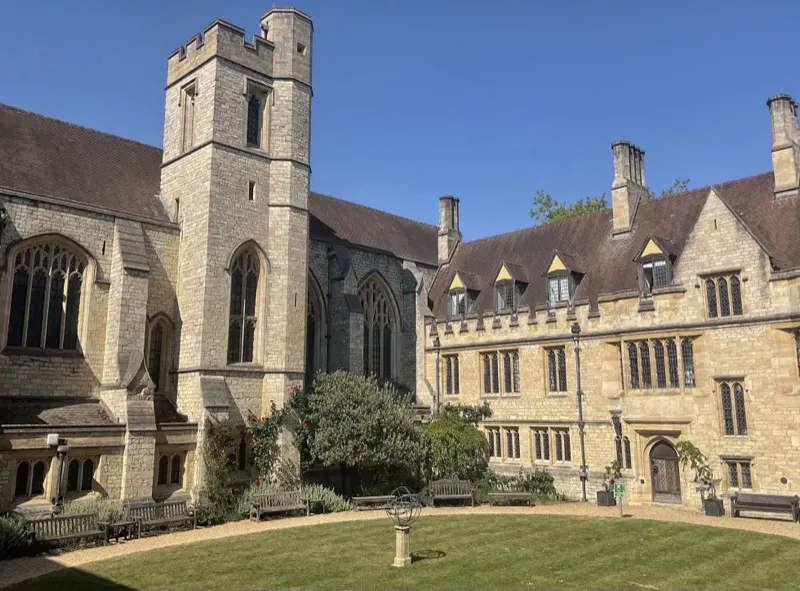
Tolkien's college, a miniature Sainte-Chapelle, and a hidden view over Radcliffe Square
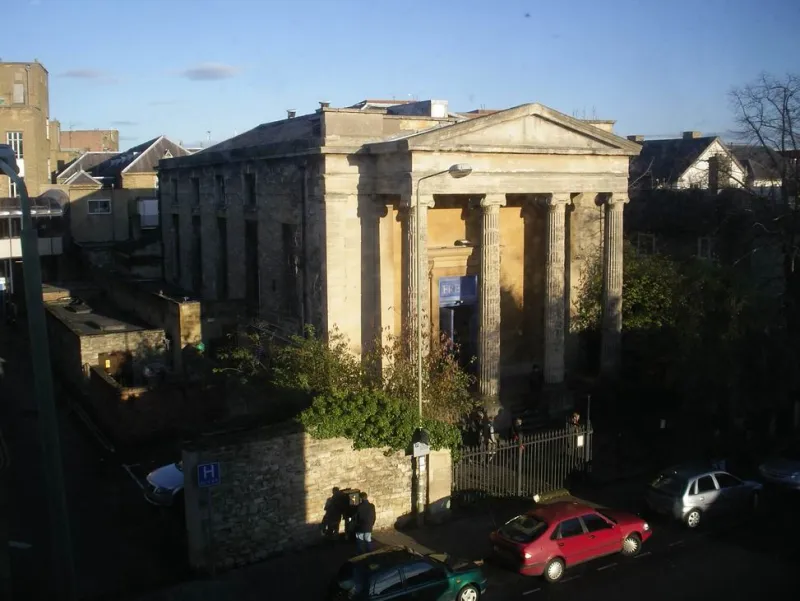
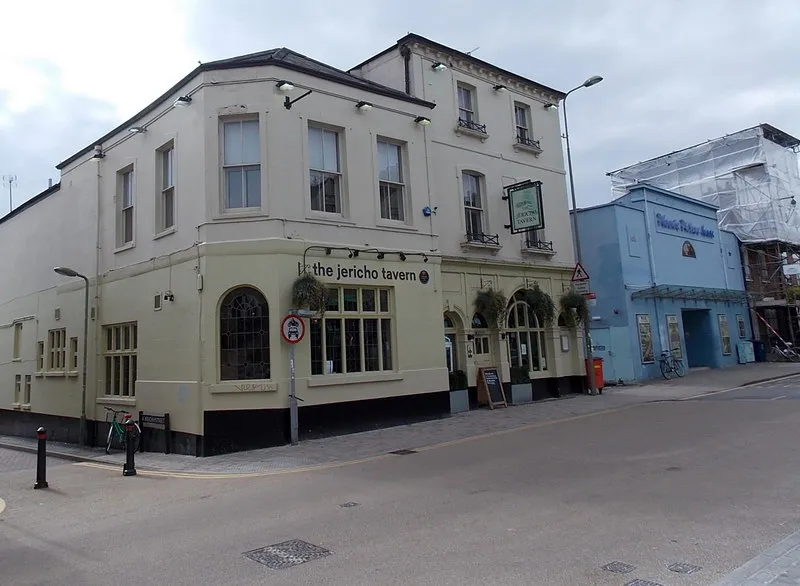
A former Jericho bar in a deconsecrated Greek Revival church — currently closed, with the building under new ownership.
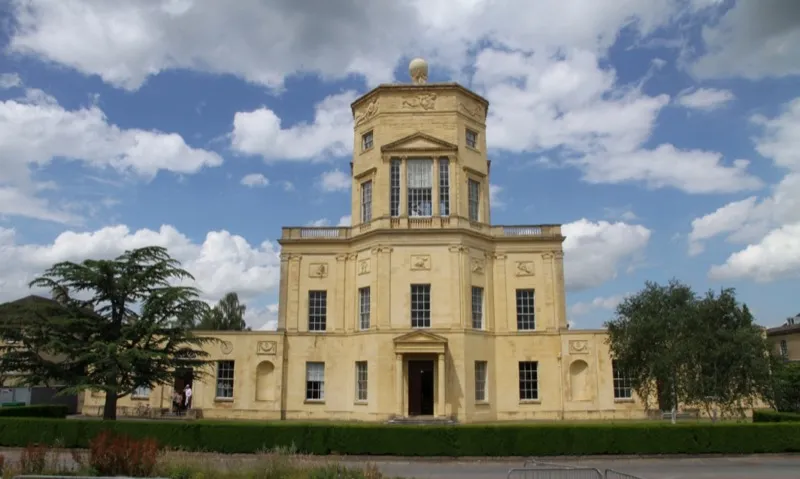
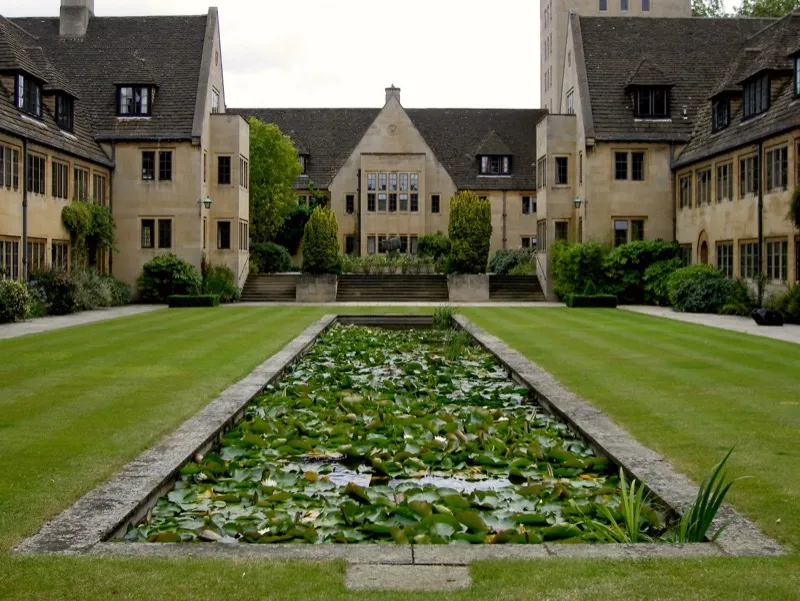
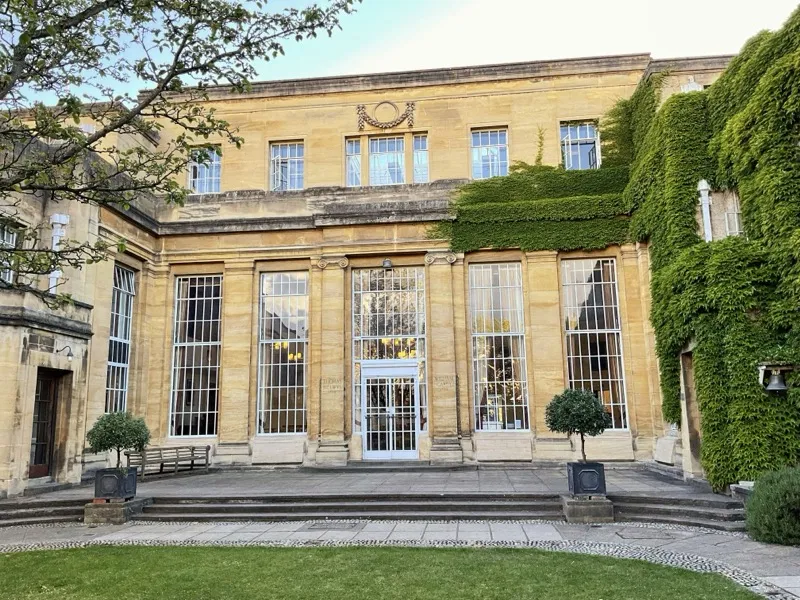
A modern graduate college wrapped around a Georgian observatory tower
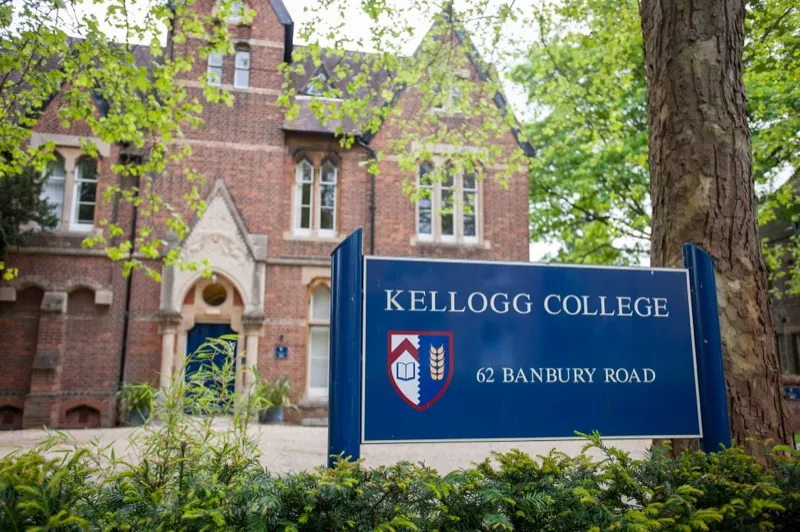
Oxford's mature-student college with Burne-Jones and William Morris stained glass
Home of the Bridge of Sighs — Oxford’s most photographed architectural moment
Scientific instruments from the Middle Ages to the 19th century, in the world's oldest surviving purpose-built museum.
The Welsh college on Turl Street — quieter than its neighbours, full of character
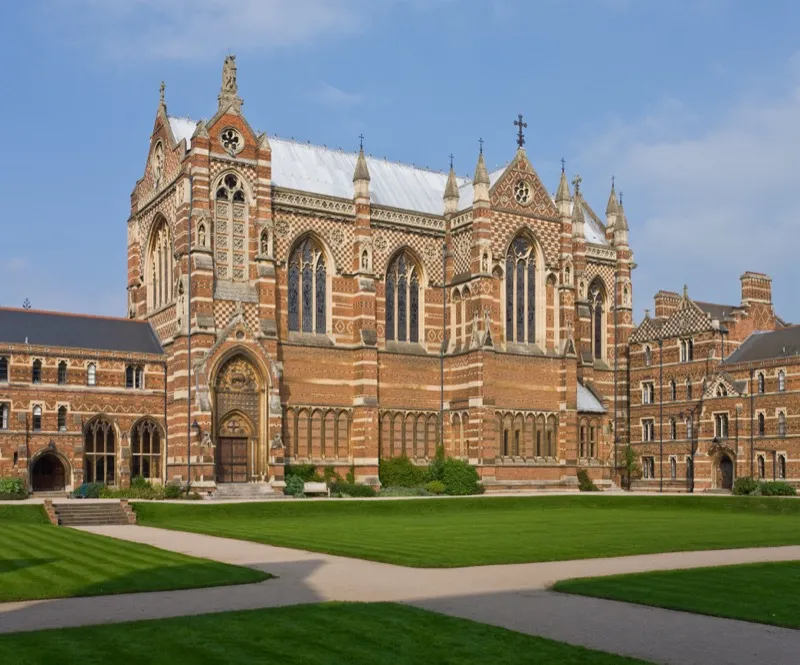
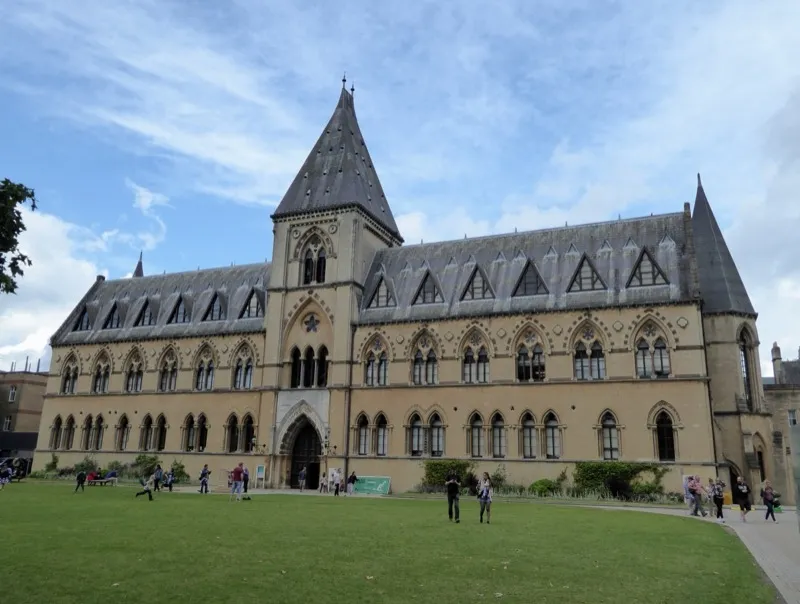
Victorian polychrome brick — Oxford's most divisive building and a masterpiece painting
Oxford's part-time and continuing education hub — not a tourist destination
Riverside gardens and pioneering history, away from the tourist crush
A proper Oxford local — ancient, unpretentious, and owned by St John's College.
An eco-focused graduate college — admirable but not a visitor attraction
A perfectly preserved medieval gem on Turl Street — John Wesley's college
The bench at the back of the Botanic Garden where, in the closing chapter of Philip Pullman's His Dark Materials, Lyra and Will promise to sit at noon on Midsummer's day every year.
Extensive grounds with a deer park, river walks, and a famous tower
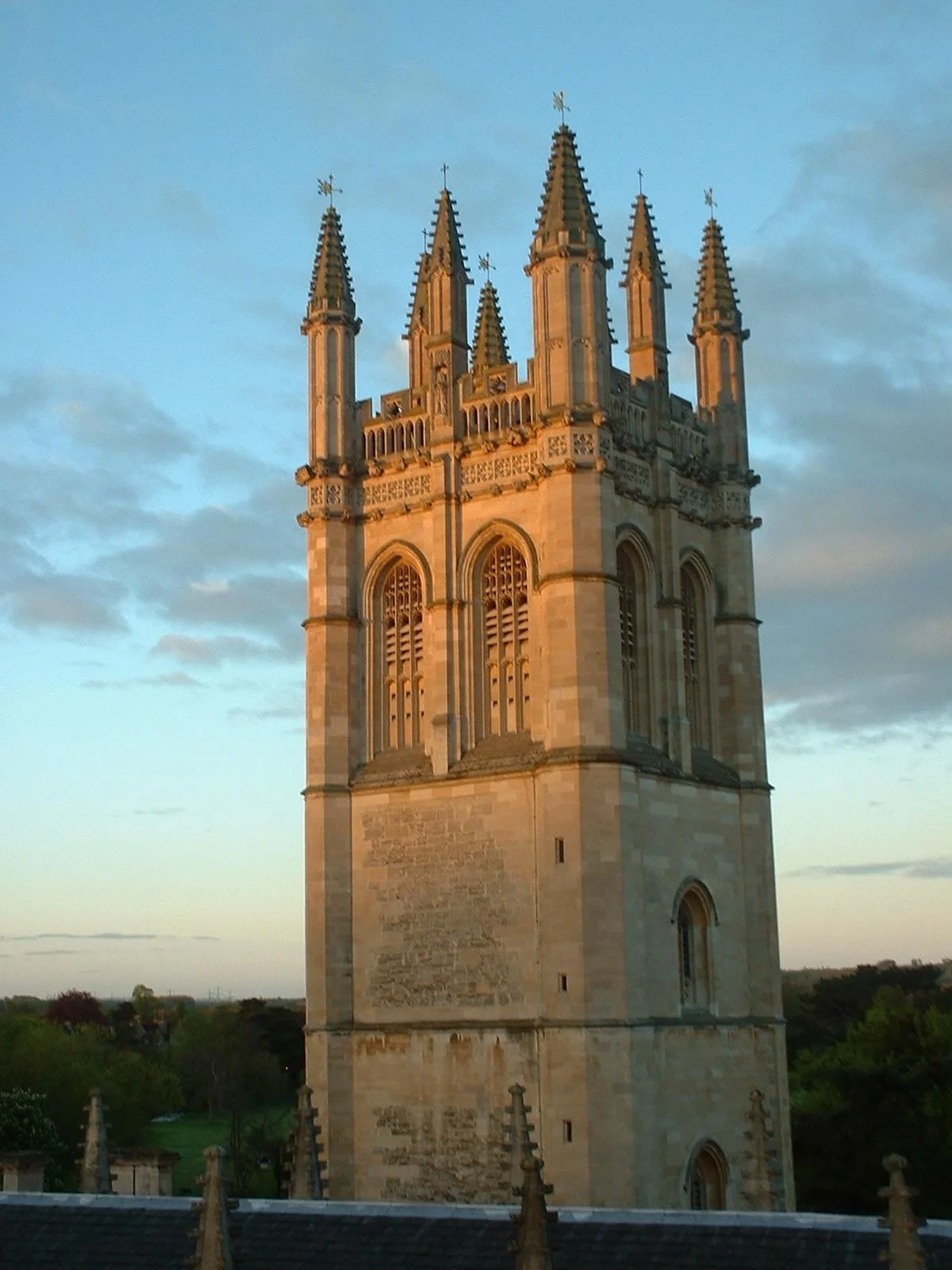
The 144-foot perpendicular Gothic tower of Magdalen College (1509) — the centrepiece of the High Street and the gathering point for May Morning.
A Nonconformist college with a Gothic Revival chapel and progressive spirit
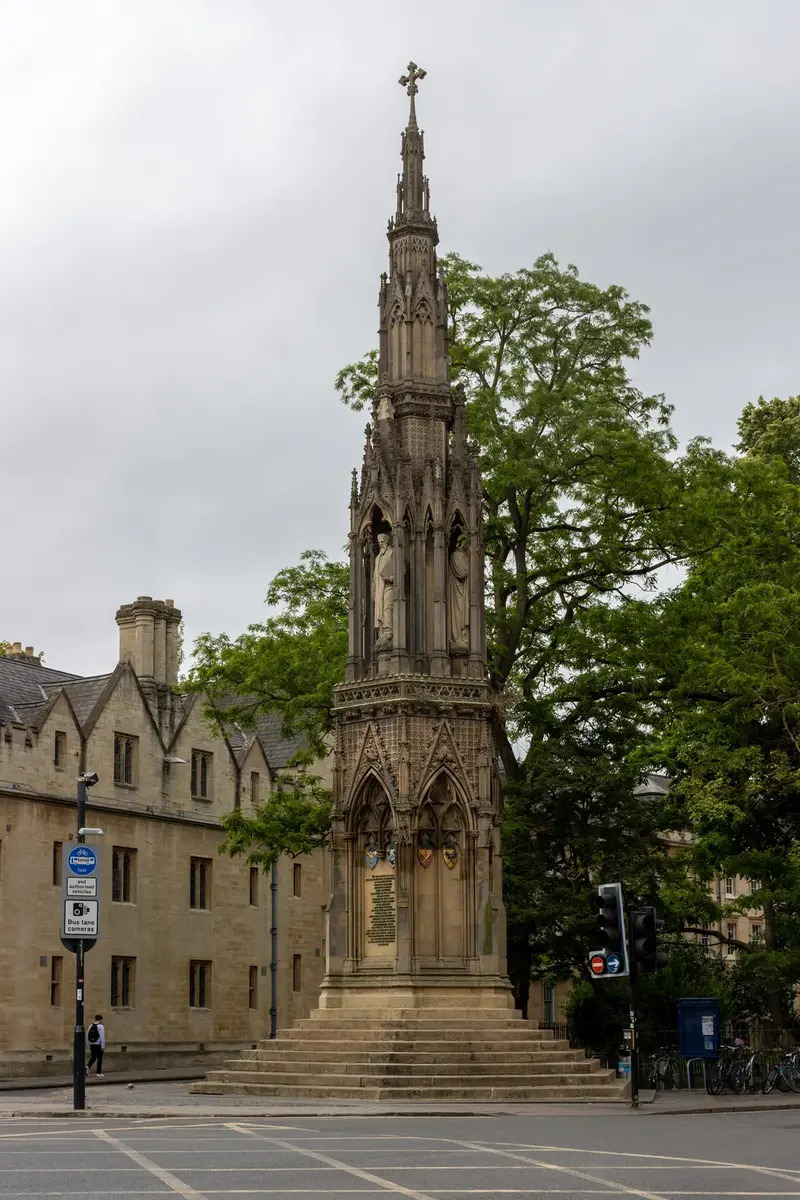
Sir Gilbert Scott's 1843 Gothic-Revival monument to Cranmer, Latimer and Ridley — the three Oxford Martyrs burned for heresy in 1555–1556.
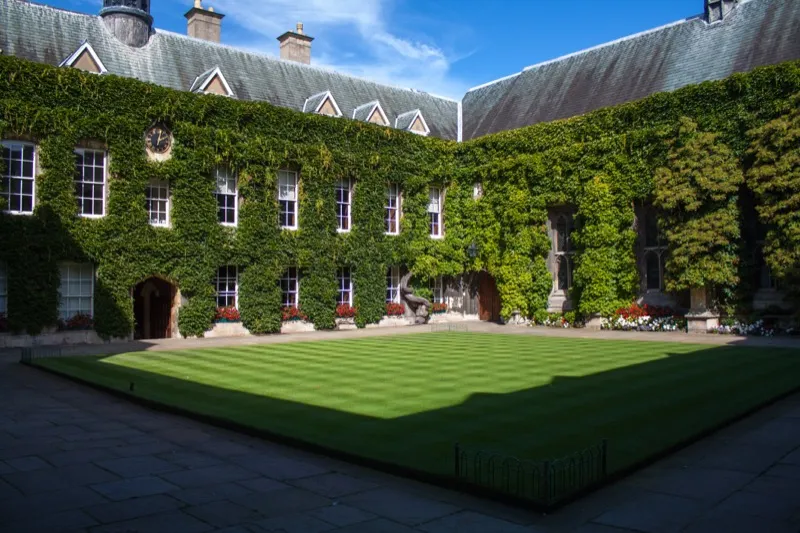
Oxford's oldest quad, a medieval library, and Tolkien's second home
Medieval cloisters, a stretch of city wall, and a chapel with an El Greco
Oxford's social science powerhouse — architecturally divisive, intellectually formidable
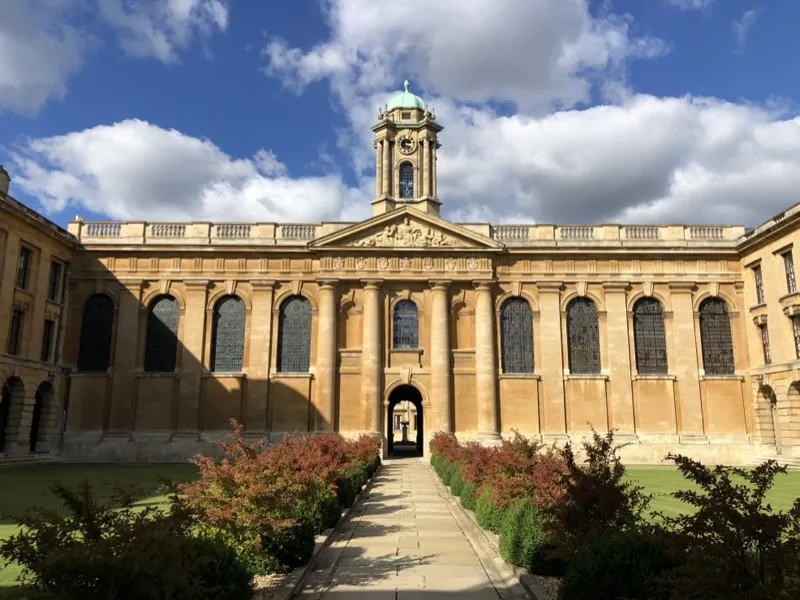
Oxford's oldest royal foundation — seven centuries on a beautiful square
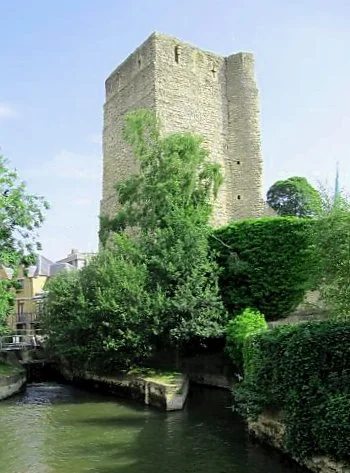
Norman castle (1071) and former Victorian prison — the medieval mound, St George's Tower, and 1,000 years of overlapping use.
Dinosaurs, dodos, and Darwin's legacy — all under a Gothic Revival iron-and-glass roof.
Samuel Johnson's college — quietly handsome, just off St Aldate's
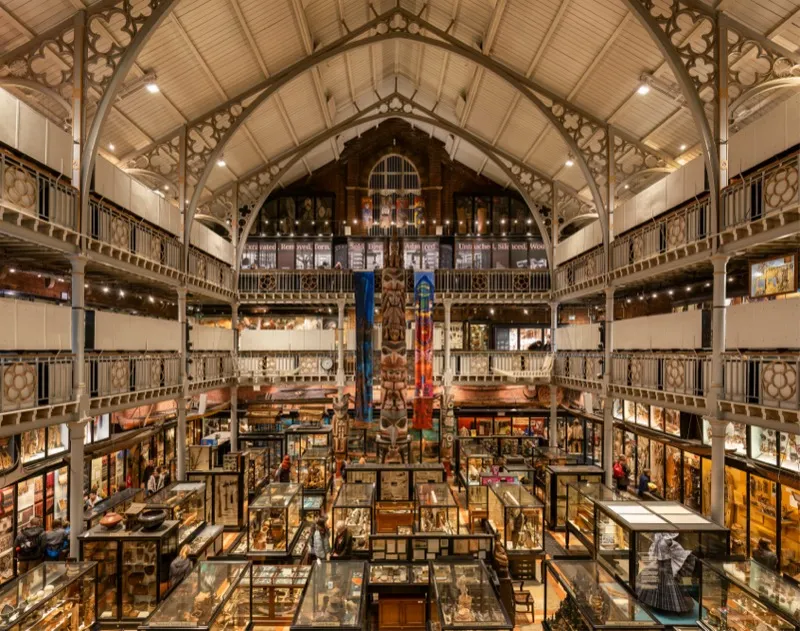
A Victorian cabinet of curiosities — shrunken heads, totem poles, and half a million objects from every culture on earth.
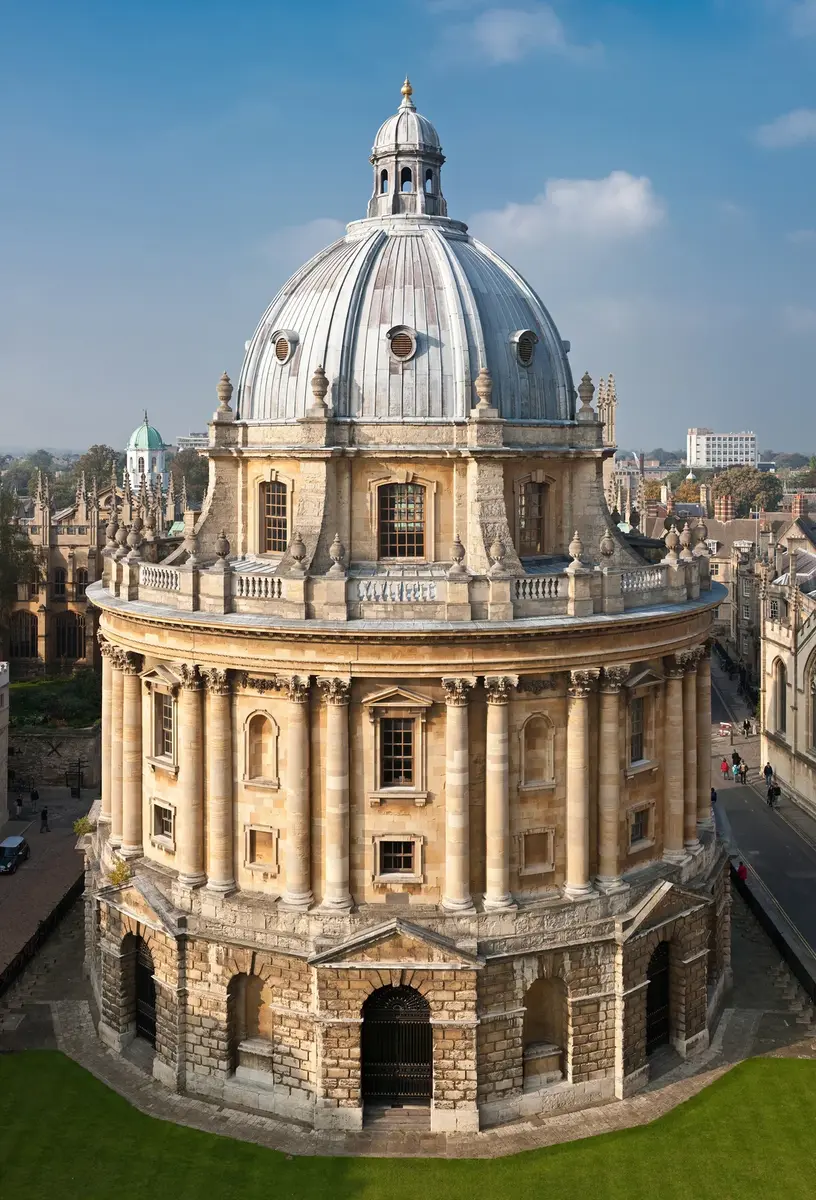
James Gibbs's English Palladian rotunda (1749) — the first circular library in the country and the most photographed building in Oxford.
A tiny Baptist hall on St Giles' — small and friendly
Sir Christopher Wren's first major building (1668) — the University's ceremonial assembly hall, with a painted ceiling and a viewing cupola.
A pioneering women's college — alumni include Thatcher, Sayers, and Indira Gandhi
A modernist campus college with a strong access ethos — not a sightseeing stop
Oxford's international affairs college — impressive seminars, not impressive buildings
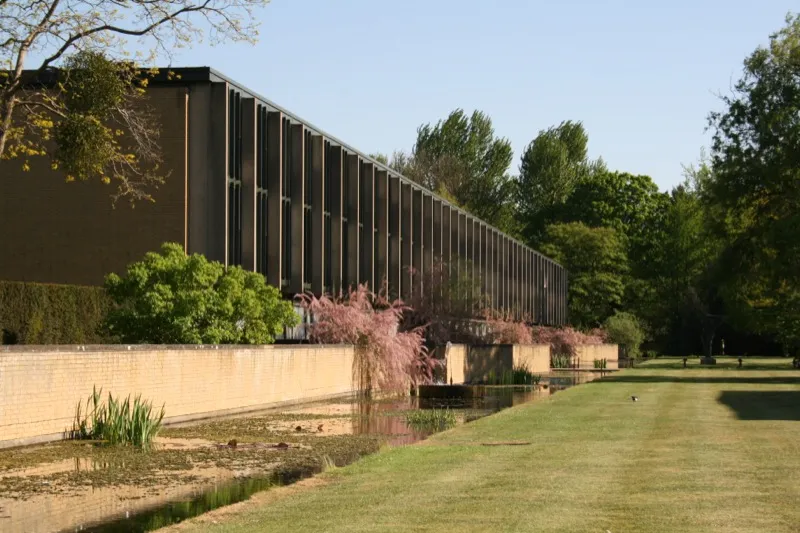
Designed by Arne Jacobsen — a complete modernist campus with sculpture gardens by the Cherwell
A small graduate college sharing the Grade II-listed Pusey House on St Giles'
The oldest academic hall in any university — 800 years in a tiny quad off Queen's Lane
Oxford's last single-sex college (until 2008), with Cherwell riverside gardens
14 acres of gardens in North Oxford — one of the largest college grounds in the university
Oxford's wealthiest college — Canterbury Quad, large gardens, and serious money
A young college on an ancient site — unassuming but well located near the castle
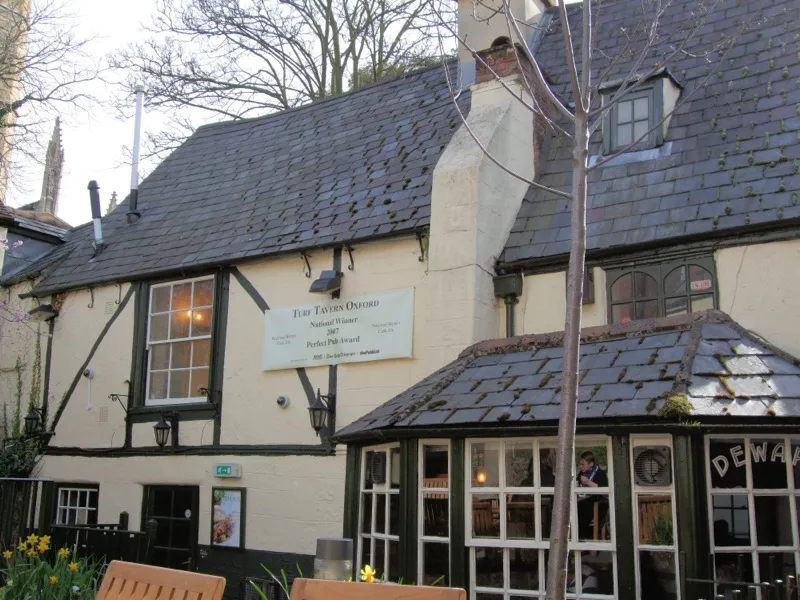
Oxford's oldest pub — famous for its tie collection and recently expanded into a larger space.
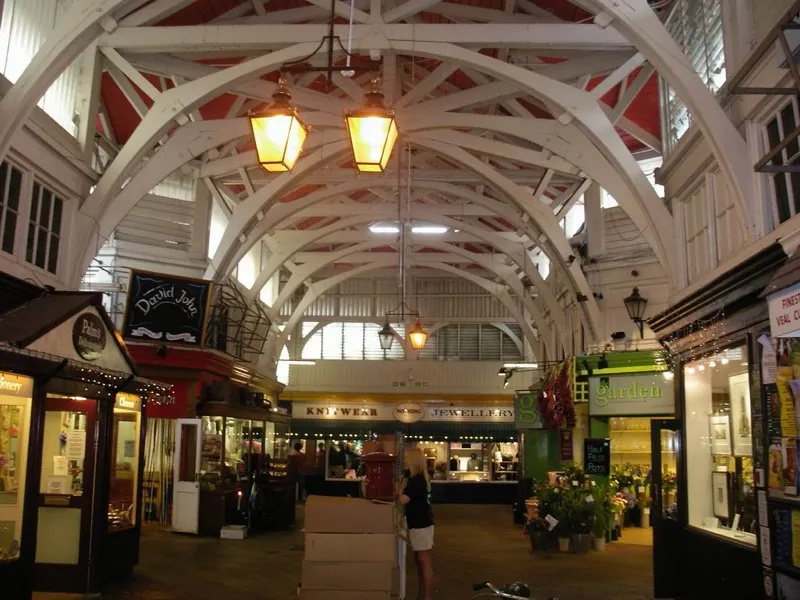
Oxford's beating heart since 1774 — over 50 independent stalls under one historic roof.
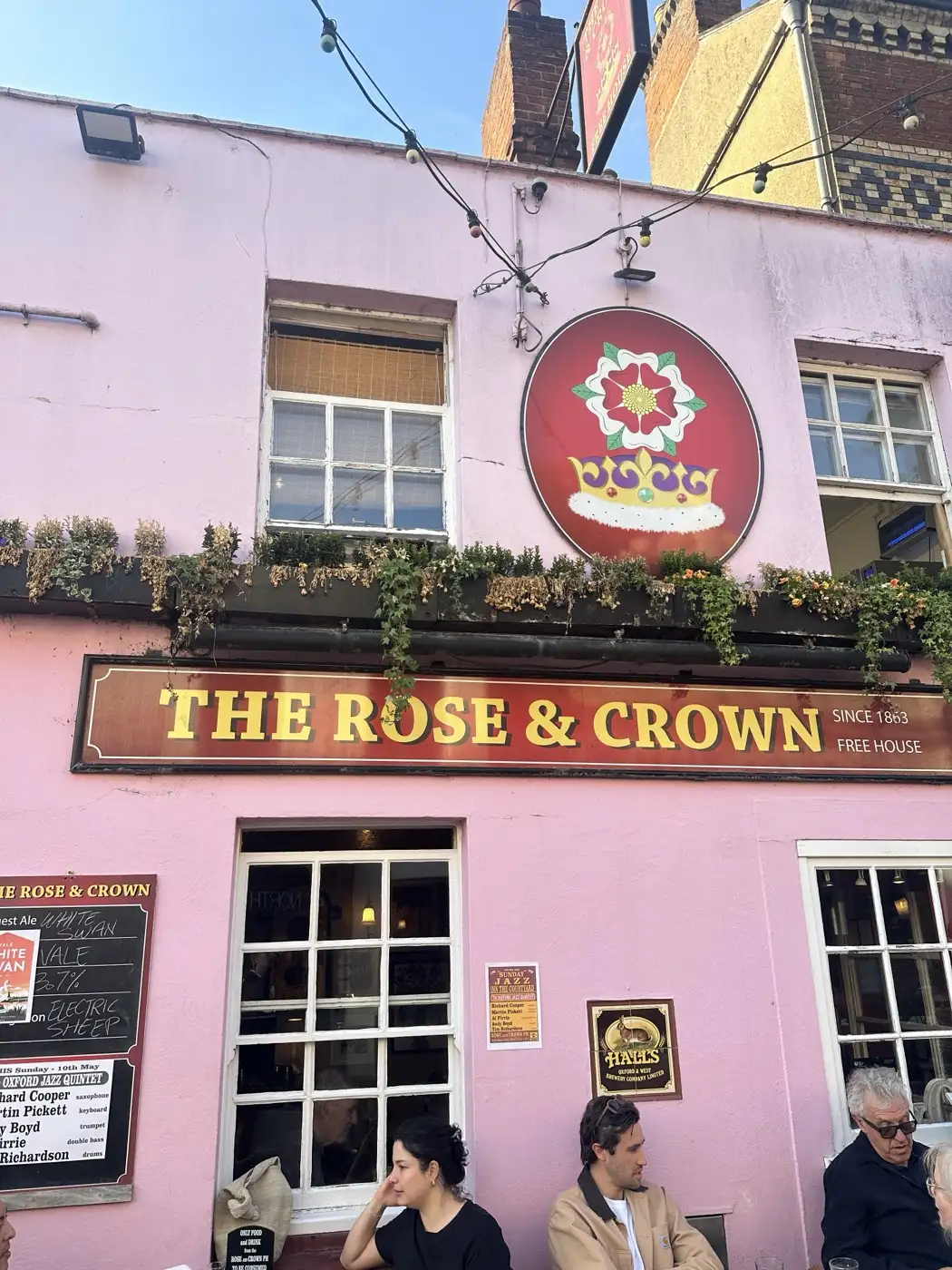
Where the Inklings met — Tolkien and Lewis's local on St Giles'.
The pub where Radiohead played their first gig — Oxford's main small live music venue.
C.S. Lewis's Oxford home from 1930, built 1922 on the site of a former brickworks. Now the C.S. Lewis Foundation Study Centre.
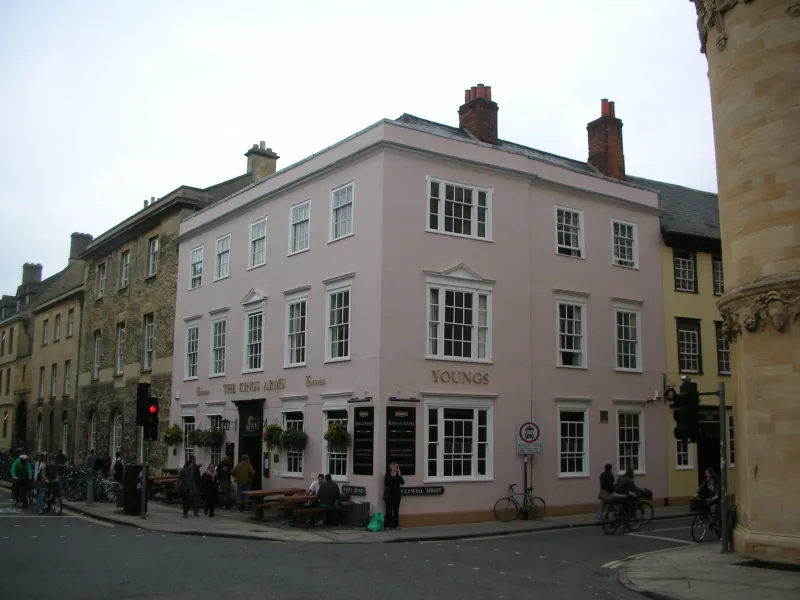
Oxford's quintessential student pub — Young's ales on Holywell Street, opposite the Bodleian.
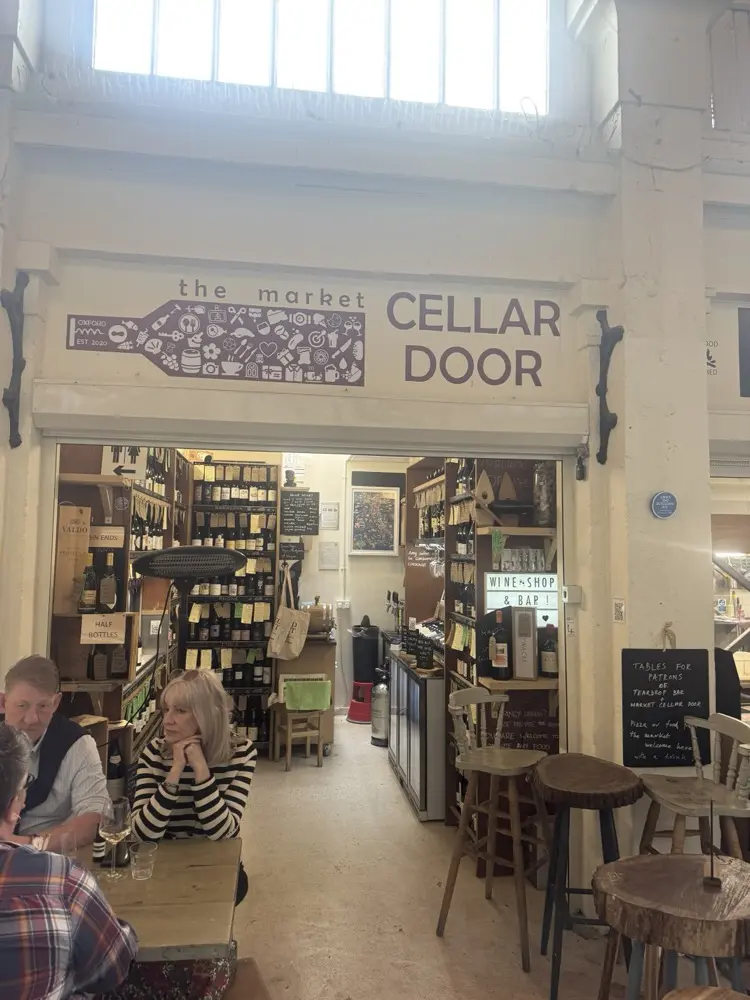
Wine-focused bottle shop and tasting bar in the Covered Market — a joint venture between Eynsham Cellars and the adjacent Teardrop Bar, with around 250 bottles and six wines on tap.
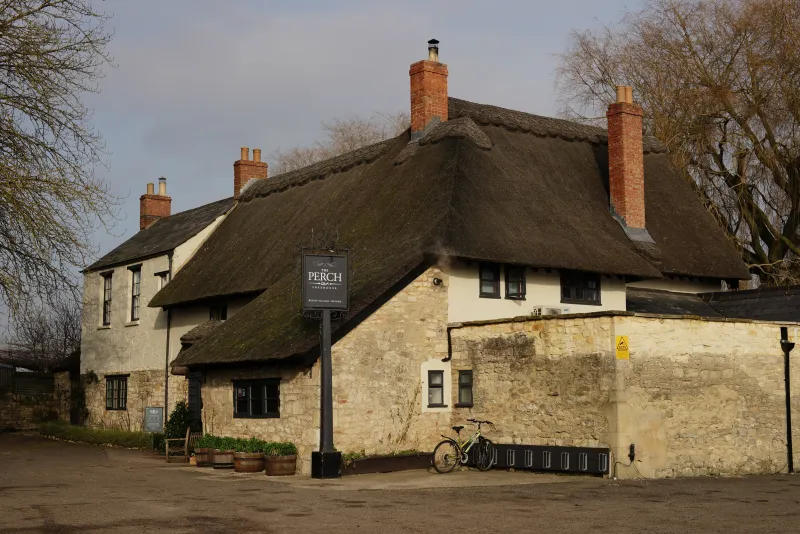
A thatched riverside pub reached via a walk across Port Meadow.
A baroque showpiece on the High Street — Oxford's only fully classical college
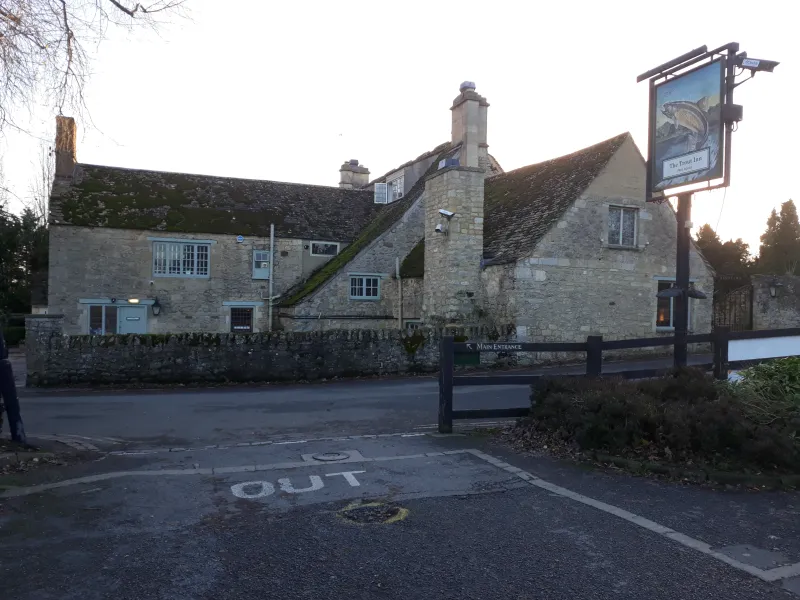
Inspector Morse's local, perched over a weir on the Thames at Wolvercote — come for the view, stay for the atmosphere.
A well-hidden pub, tucked down a medieval alleyway behind the Bodleian.
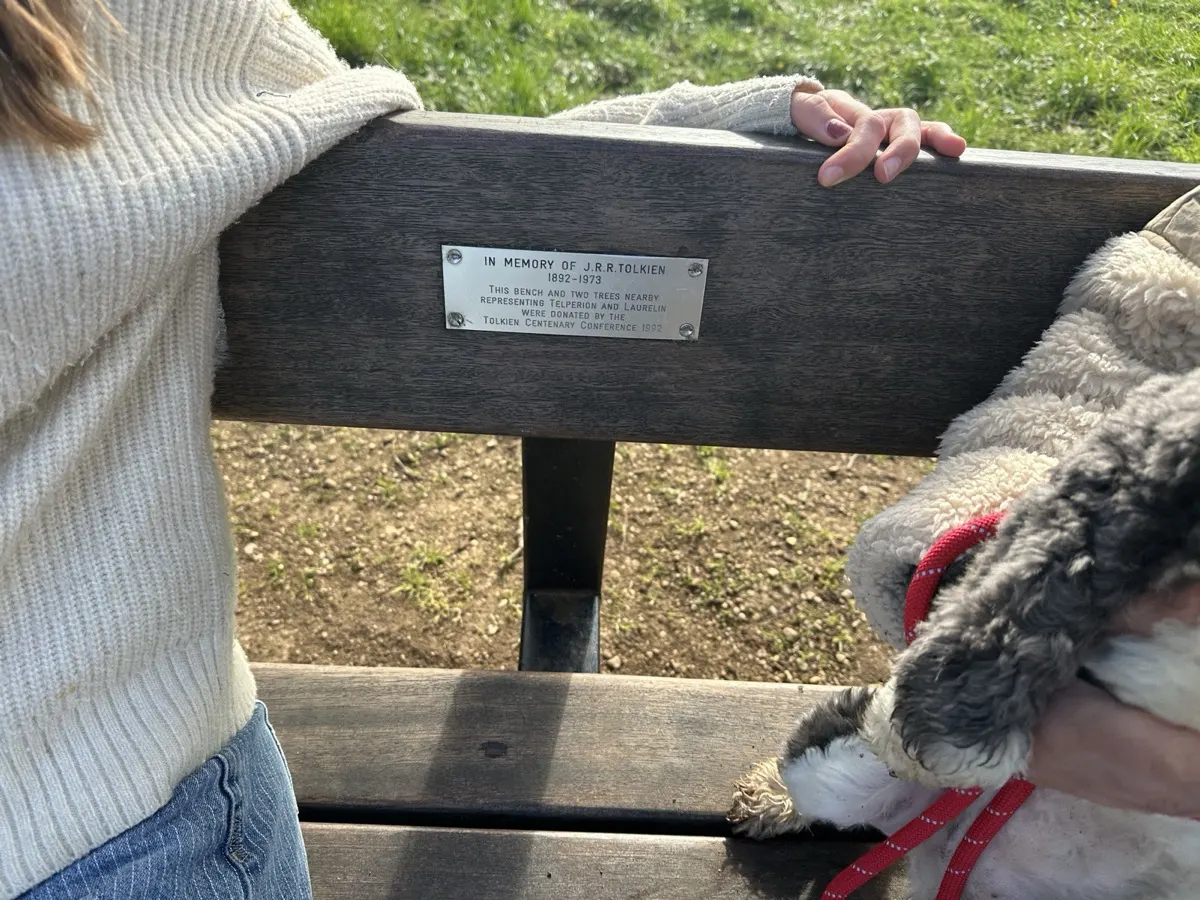
A brass-plaqued bench in University Parks, dedicated to J.R.R. Tolkien (1892–1973) by the Tolkien Centenary Conference in 1992 — accompanied by two trees said to represent Telperion and Laurelin, the Two Trees of Valinor.
The site, in the Oxford Botanic Garden, of the Pinus nigra under which J.R.R. Tolkien 'often spent his time reposing'.
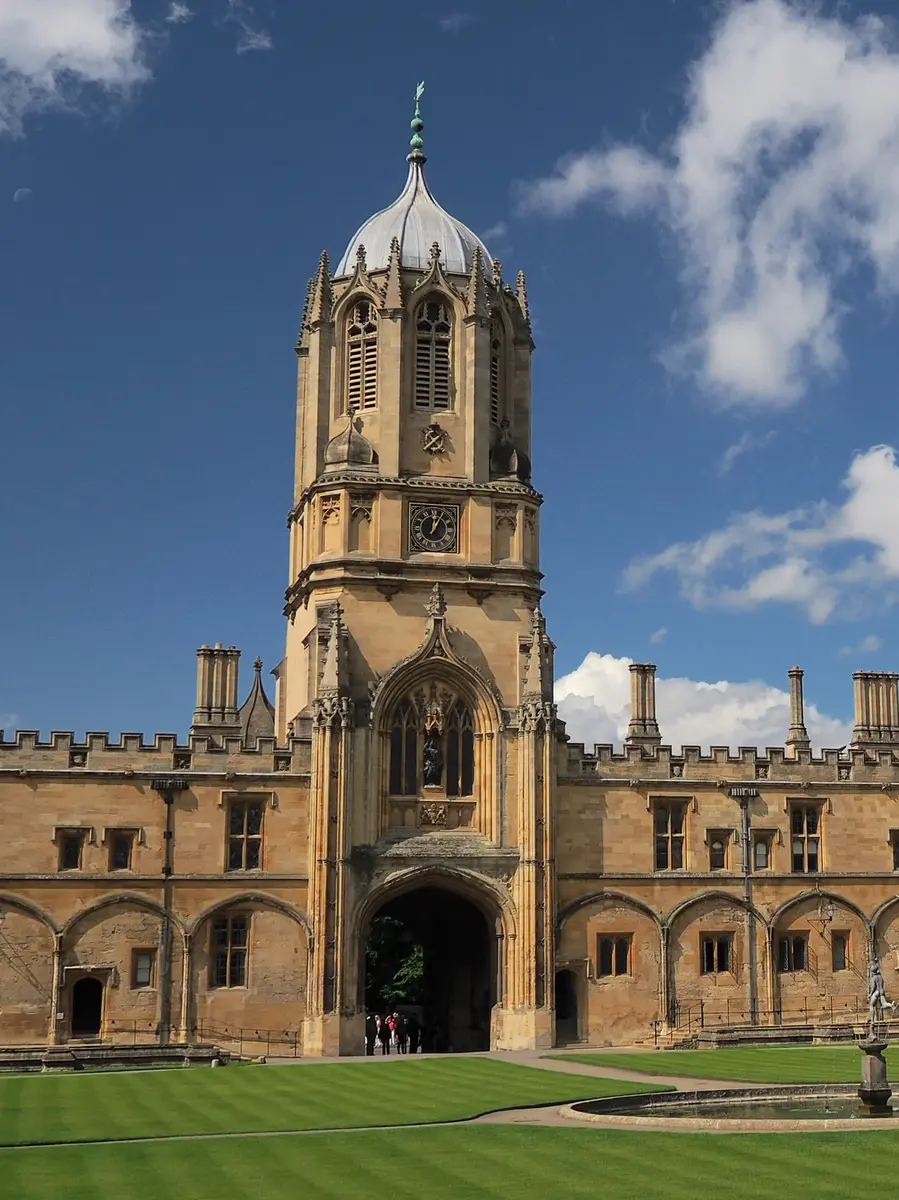
Sir Christopher Wren's Gothic-revival gatehouse tower at Christ Church (1682) — home of Great Tom, the bell that still rings 101 times every night.
The Jacobean entrance tower of the Bodleian — a single building demonstrating all five classical orders, stacked vertically.
Spacious gardens and a Wren chapel on Broad Street — often overlooked
The University's church on the High Street, with one of the best tower views in Oxford and a 13th-century spire.
Possibly Oxford's oldest college — Shelley's memorial and a long High Street facade
A well-preserved Jacobean quad, large gardens, and a progressive reputation
Isaiah Berlin's riverside graduate college — Powell & Moya's Grade II-listed modernist campus
City cemetery opened in 1889. The Roman Catholic section contains the grave of J.R.R. Tolkien and his wife Edith, headstone inscribed Beren and Lúthien.
A lake, medieval cottages, and large gardens — one of central Oxford's hidden landscapes
The Covered Market's greengrocer since 1952 — seasonal fruit and veg from local farms.
Broad Street's independent art supplies shop — paints, papers, and materials for working artists and students.
Loose-leaf teas and freshly roasted coffees in the Covered Market — the smell alone is worth the detour.
A proper traditional butcher in the Covered Market — locally sourced meat, hand-cut to order.
Mid-century furniture, vintage homeware, and salvaged curiosities on the Cowley Road.
The retail home of the world's largest university press — dictionaries, academic texts, and OUP's full catalogue on the High Street.
Independent clothing and gifts in the Covered Market — Oxford-made where possible.
Antique maps, prints, and engravings on the High Street — established 1967.
Fine pens, handmade papers, and writing instruments on Turl Street.
The Covered Market's organic grocer — wholefood staples, fresh produce, and zero-waste refills before it was fashionable.
A well-stocked museum shop — jewellery, prints, and design objects inspired by the Ashmolean's collection.
Every type of brush imaginable — a Covered Market institution.
An independent bakery in the Covered Market — honest cakes, pastries, and bakes without the artisan price tag.
A proper pub hiding in plain sight on the High Street — the 15th-century beams are the real deal.
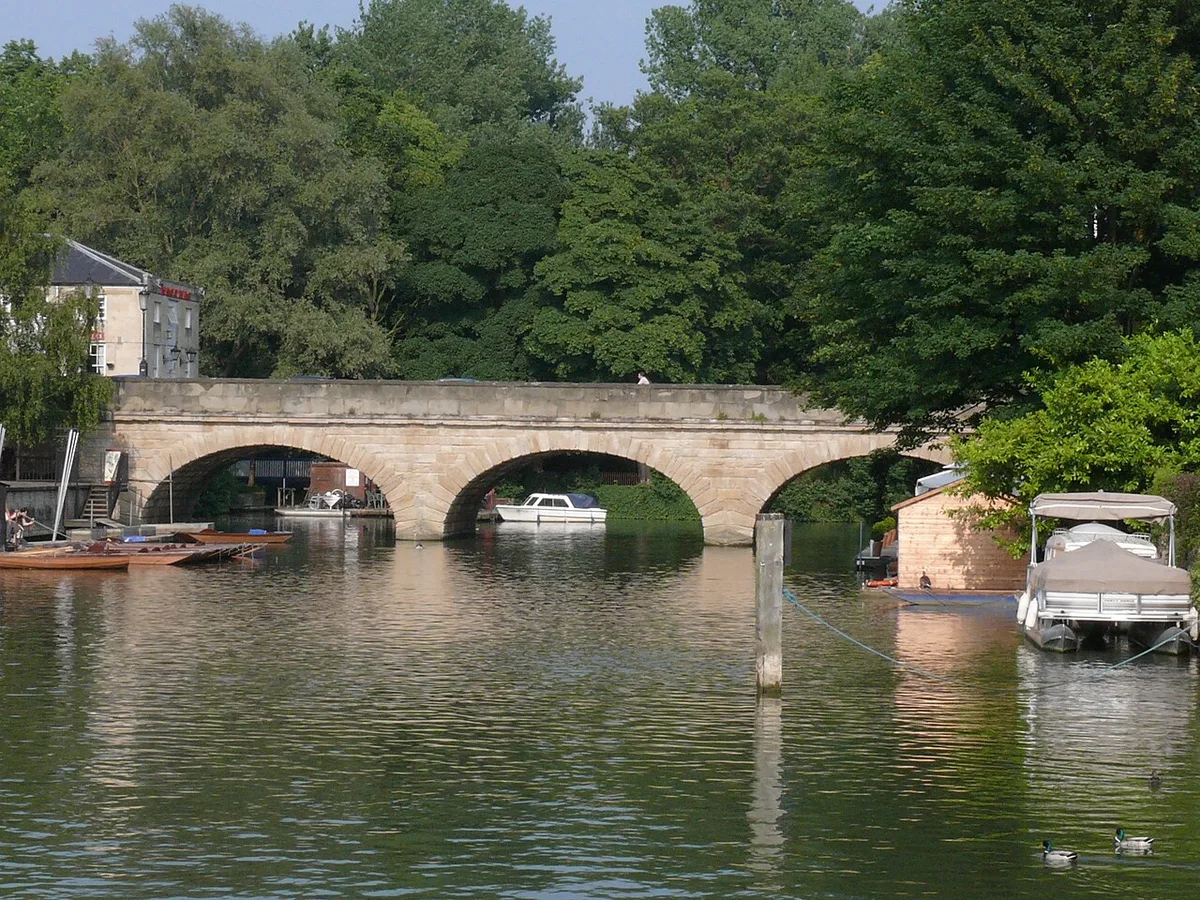
A big riverside pub at Folly Bridge — the terrace over the Thames is the whole point.
A proper village pub in Headington Quarry — the kind of place C.S. Lewis would have walked to, because he did.
A serious cheese counter in the Covered Market — British and European artisan cheeses, cut to order.
A village green pub in Wolvercote — proper ale, proper food, properly relaxed.
North Parade's anchor pub — a proper local where the landlord knows every regular by name.
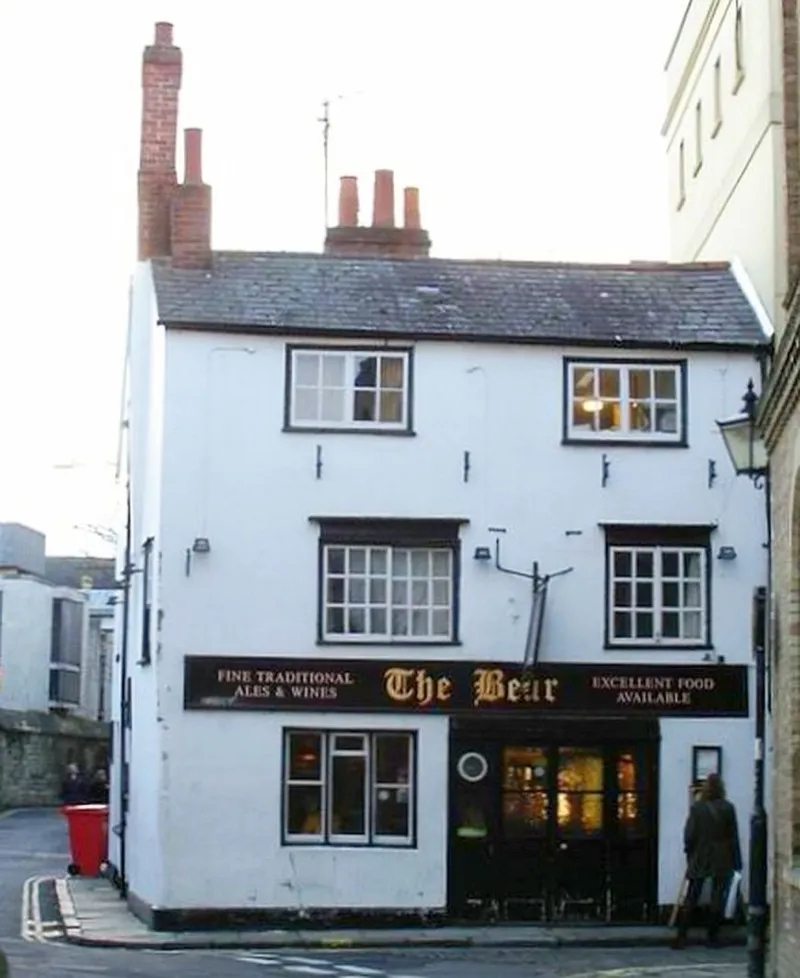
A tiny Broad Street pub squeezed between Blackwell's and the Bodleian — smaller than some college rooms.
Vintage clothing on the Cowley Road — rammed rails at student-friendly prices.