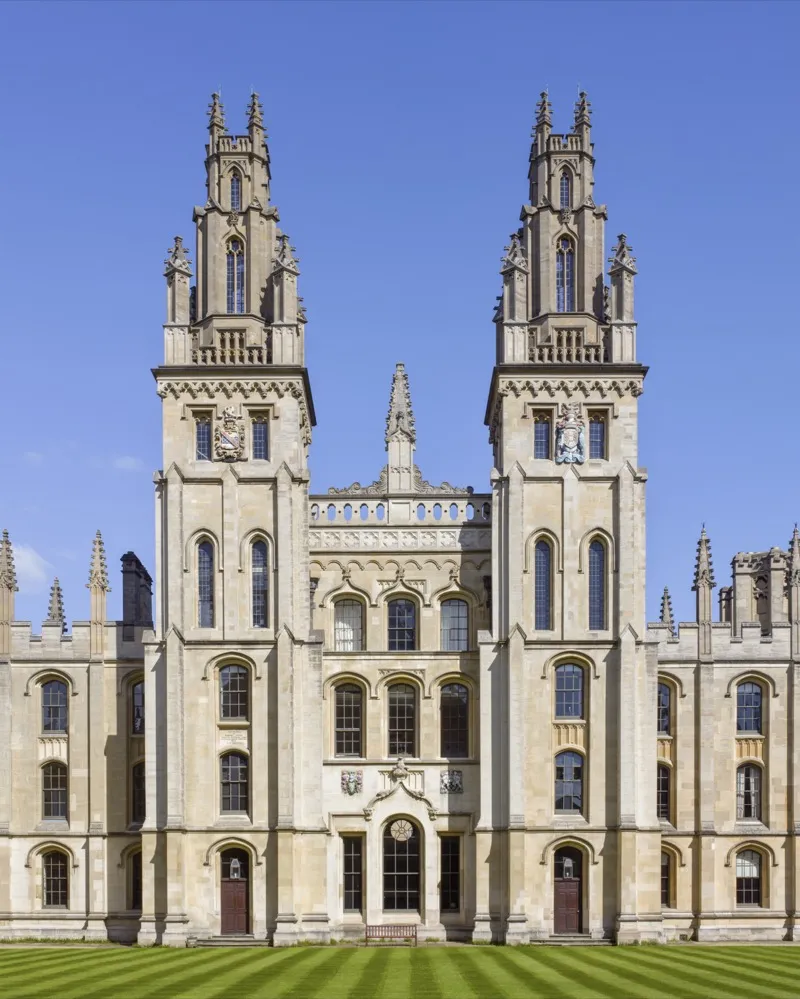
All Souls College
学院
市中心
No students, the hardest exam in the world, and Hawksmoor's twin towers
牛津每平方英里的保护建筑数量在英格兰几乎首屈一指。八百年来持续不断的建筑活动留下了一幅独特的城市画卷——中世纪、都铎、巴洛克、维多利亚和大胆的现代建筑比邻而立,有时甚至在同一所学院的围墙之内。不需要导游手册就能欣赏牛津的建筑,但知道该看什么,就能将一次市中心的漫步变成一堂微缩版的英国建筑史课。
中世纪(1200年代-1400年代):从默顿学院(Merton College)开始——它的Mob Quad(建成于1378年)是世界上最古老的住宅四合院。新学院(New College)的回廊和礼拜堂为此后三个世纪的牛津学院树立了模板。神学院(Divinity School),现在是博德利图书馆的一部分,拥有剑桥国王学院以外最精美的扇形拱顶。
都铎和詹姆斯一世时期(1500年代-1600年代):博德利图书馆的"五柱式"塔楼以教科书般的方式层叠了托斯卡纳、多立克、爱奥尼亚、科林斯和混合式柱子。谢尔登剧院(Sheldonian Theatre,1669年)是克里斯托弗·雷恩(Christopher Wren)的第一件重要作品,在他还是天文学教授时建造。彩绘天花板跨度21米,没有一根支撑柱。
巴洛克和乔治时期(1700年代-1800年代):拉德克利夫图书馆(Radcliffe Camera,1749年)是牛津被拍摄最多的建筑:由詹姆斯·吉布斯(James Gibbs)设计的圆形阅览室,坐落在拉德克利夫广场的中心。尼古拉斯·霍克斯穆尔(Nicholas Hawksmoor)设计了万灵学院(All Souls)的双塔和宽街上的克拉伦登大楼(Clarendon Building)。
维多利亚时期和现代(1860年代至今):基布尔学院(Keble College)是威廉·巴特菲尔德(William Butterfield)用红、蓝、奶油色砖块打造的多色杰作,建成时被牛津学界鄙视,如今列为一级保护建筑。自然历史博物馆(1860年)是铁艺和玻璃的大教堂。在圣凯瑟琳学院(St Catherine's College),阿恩·雅各布森(Arne Jacobsen)在1960年代设计了从建筑到餐具的一切——斯堪的纳维亚现代主义风格,使它成为牛津唯一一所由单一建筑师完整设计的学院。
学院环线步行路线涵盖了大部分这些建筑。从宽街开始(谢尔登剧院、克拉伦登大楼),穿过拉德克利夫广场(拉德克利夫图书馆、博德利图书馆、万灵学院),往南到默顿和Corpus Christi学院,然后经基布尔和大学公园返回。
No students, the hardest exam in the world, and Hawksmoor's twin towers
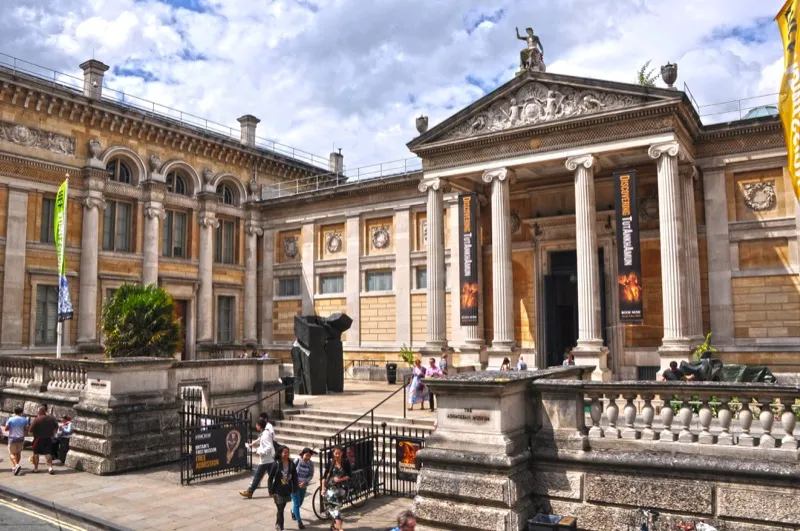
The world's first university museum — free, with major collections of art and archaeology.
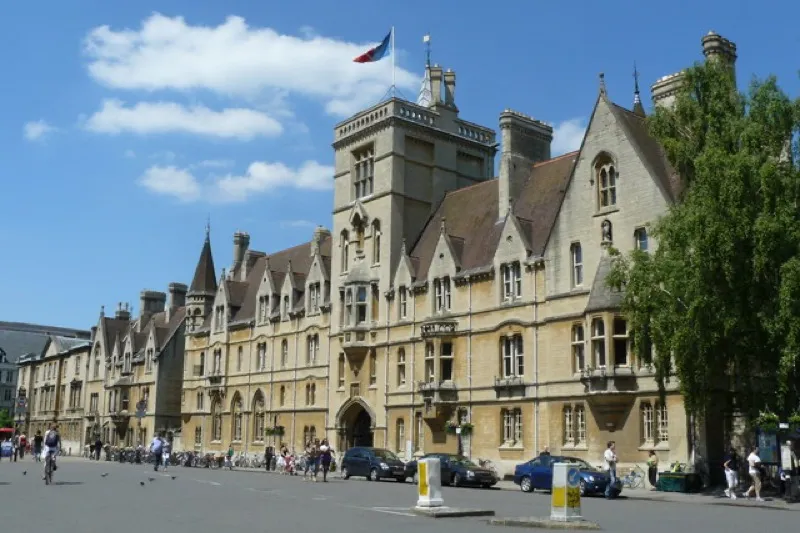
One of Oxford's oldest colleges — plain outside, historically significant inside
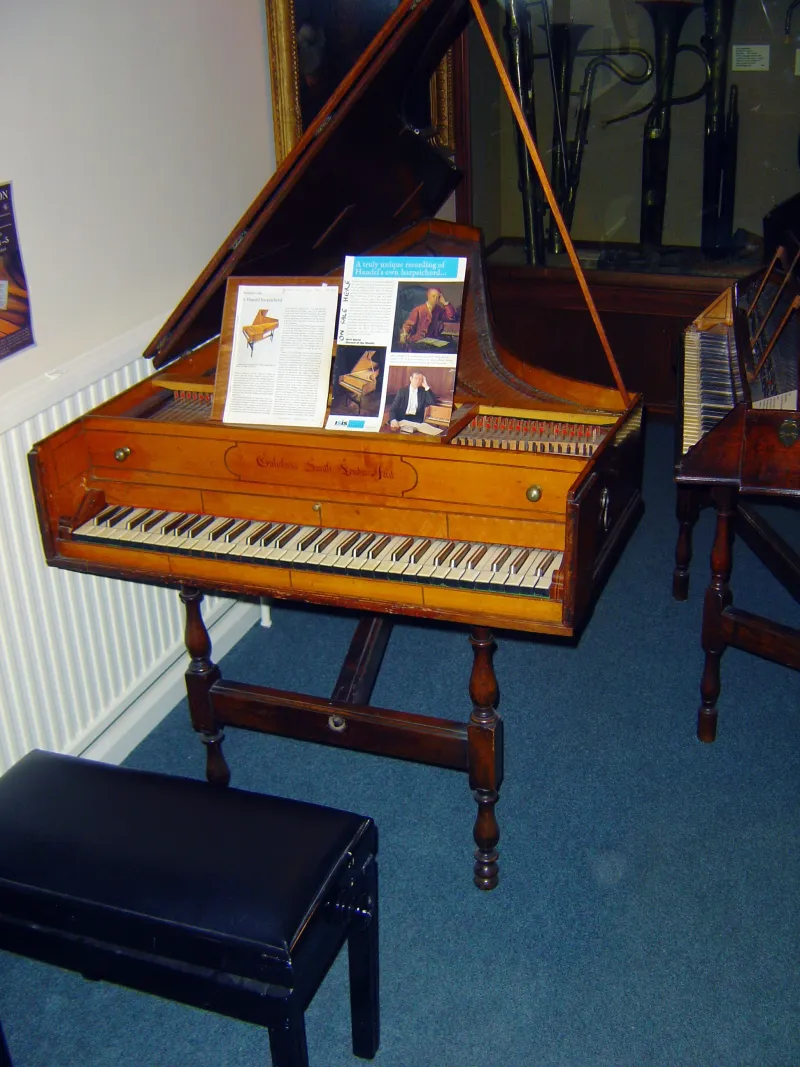
A specialist collection of historical musical instruments, from medieval to modern.
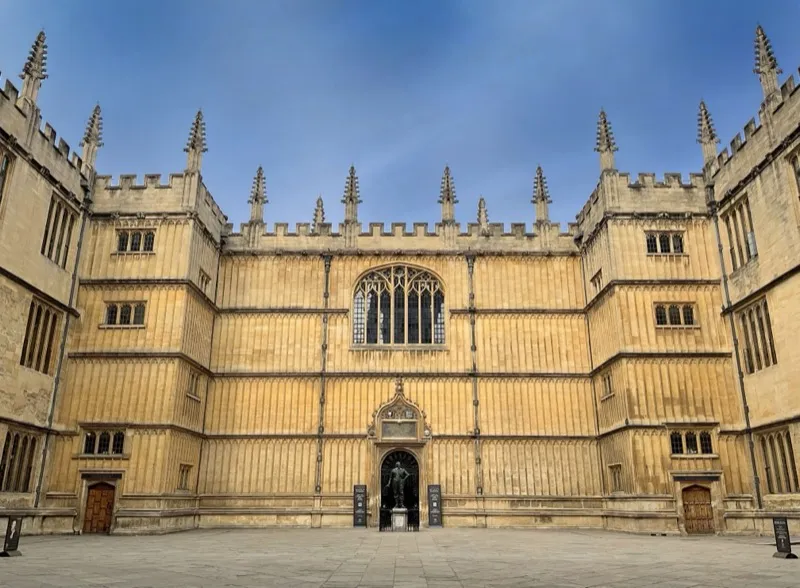
One of the oldest libraries in Europe — the Divinity School, Duke Humfrey's Library, and the Radcliffe Camera.
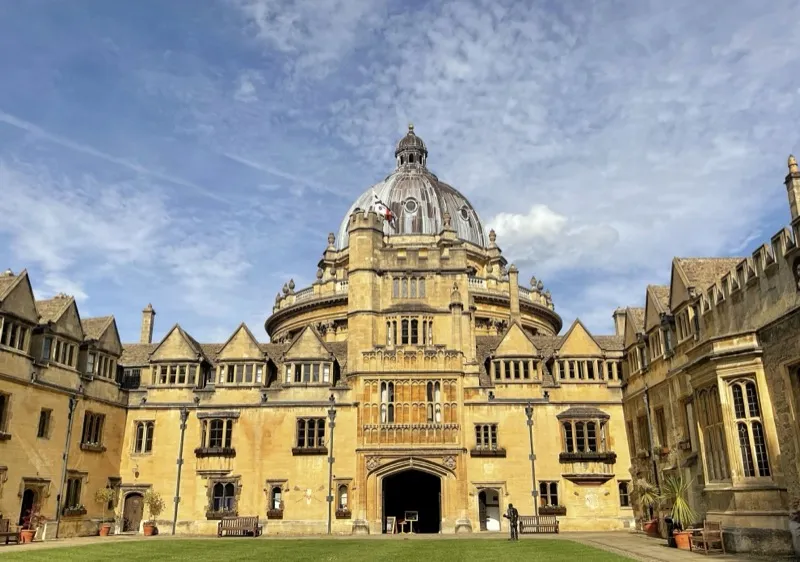
Right behind the Radcliffe Camera — an intimate college with a painted chapel ceiling
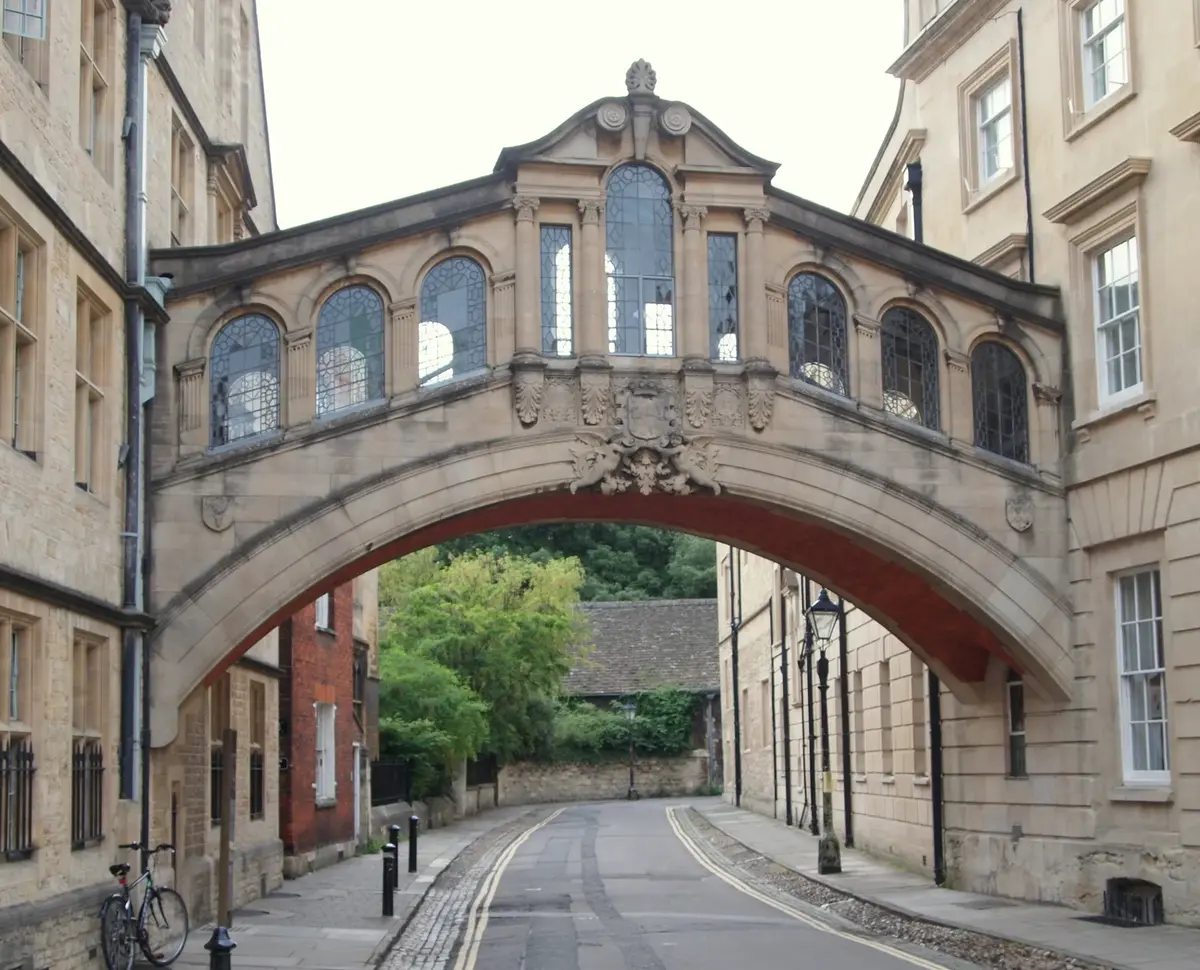
Hertford College's skyway over New College Lane, completed in 1914 and known as the Bridge of Sighs.
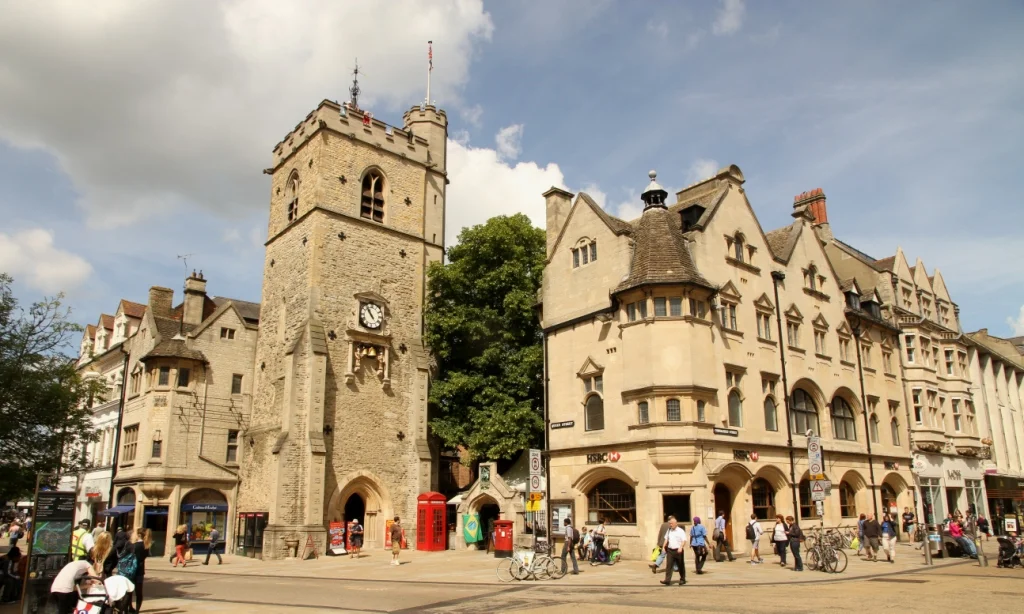
The 23-metre Saxon-medieval tower at the centre of Oxford — climb 99 steps for a four-way panorama.
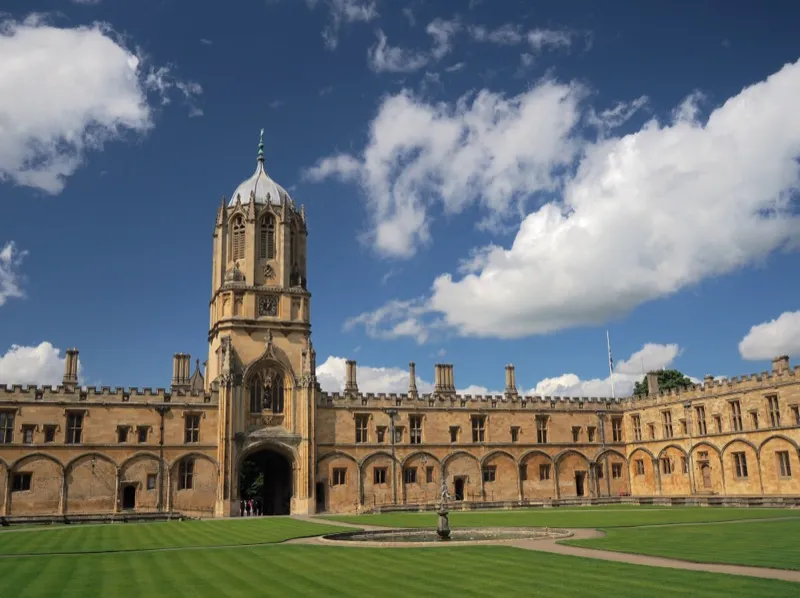
Oxford's grandest college — part cathedral, part palace, all spectacle
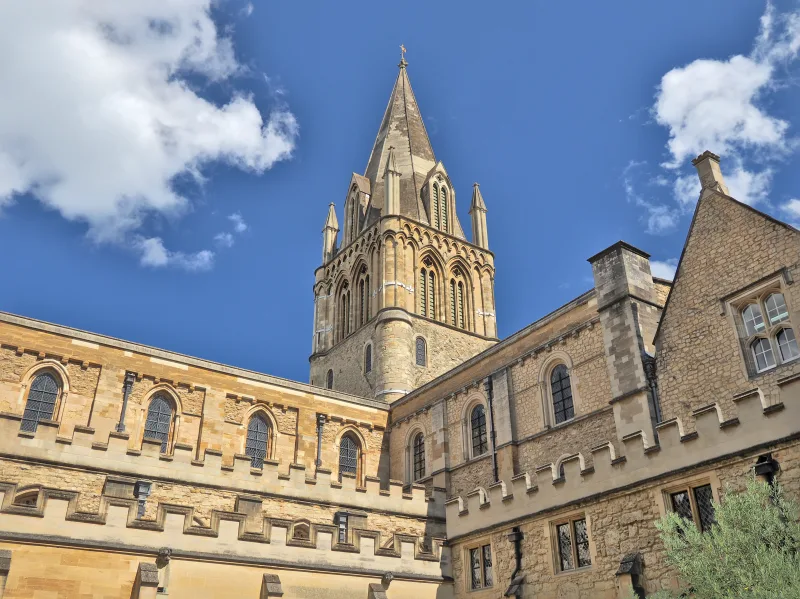
Among the smallest cathedrals in England, and the only one that is also a college chapel. Norman bones, a 14th-century Becket window that survived the Reformation, and five Burne-Jones windows.
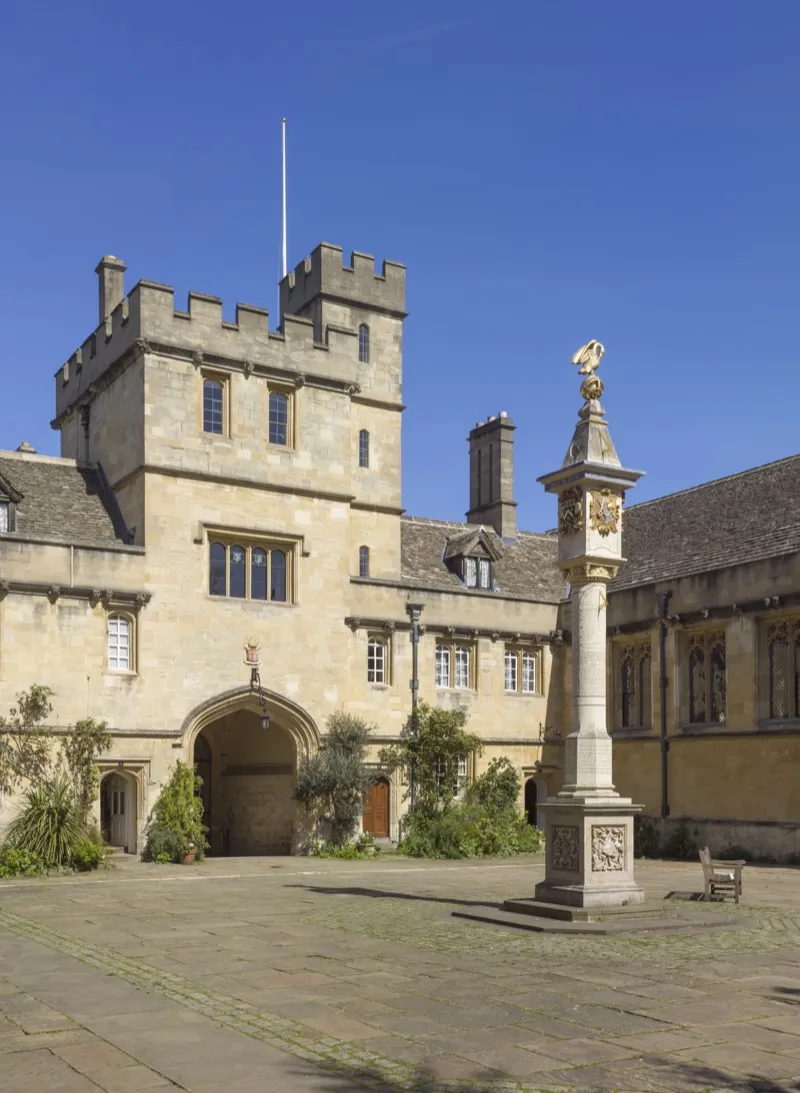
One of Oxford's smallest colleges, with a famous pelican sundial
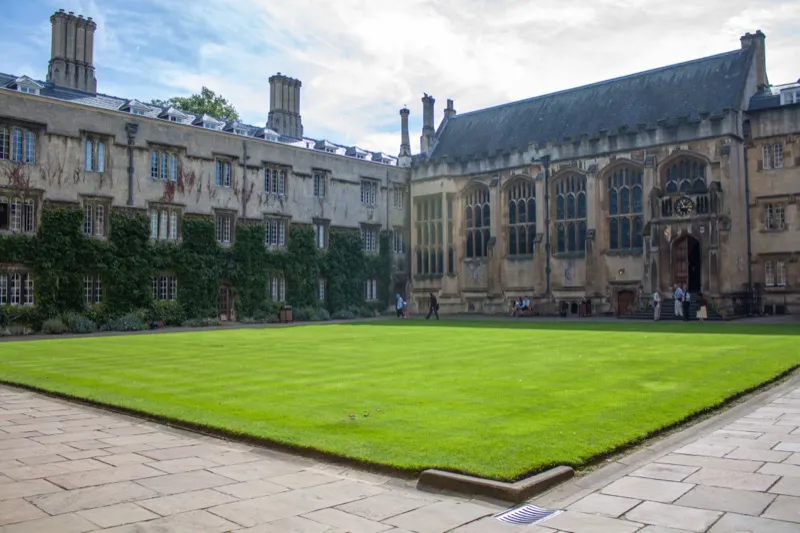
Tolkien's college, a miniature Sainte-Chapelle, and a hidden view over Radcliffe Square
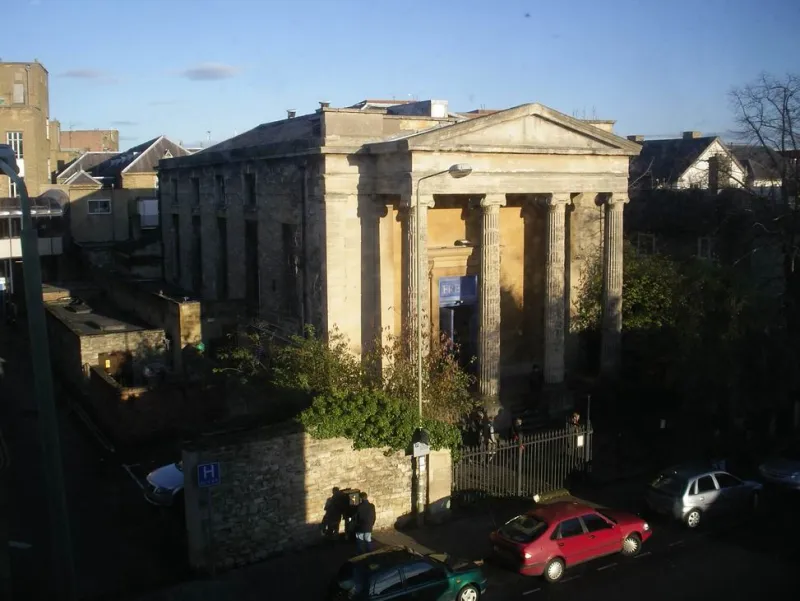
A former Jericho bar in a deconsecrated Greek Revival church — currently closed, with the building under new ownership.
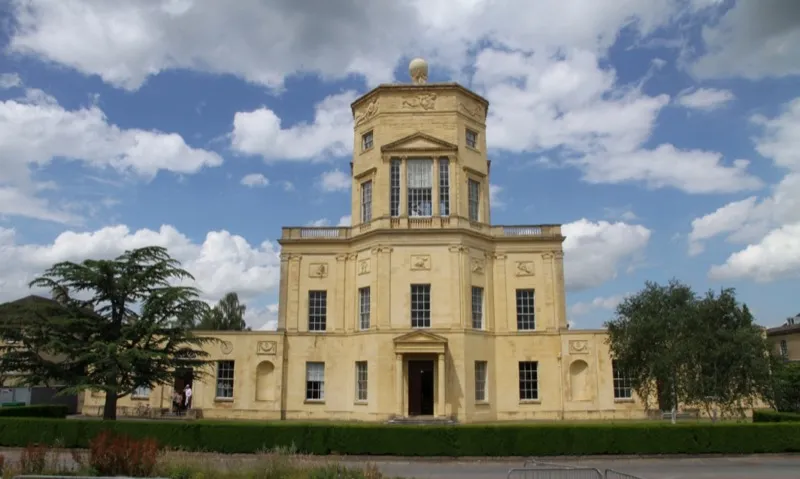
A modern graduate college wrapped around a Georgian observatory tower
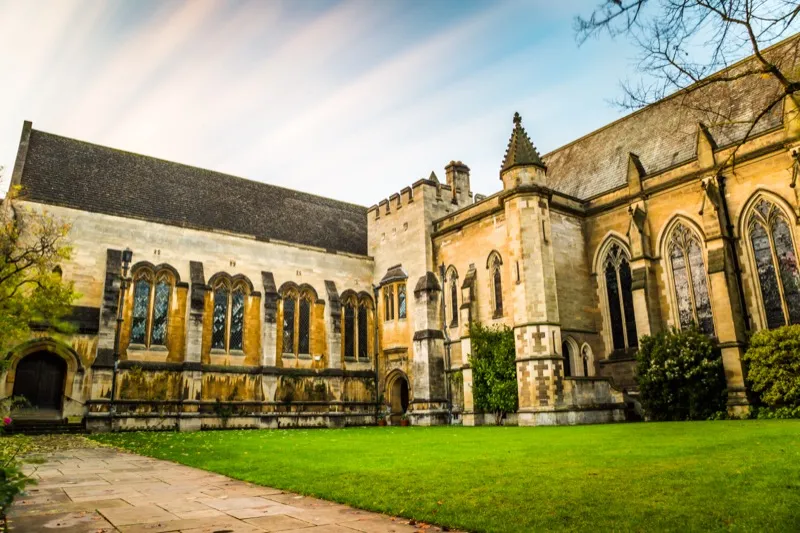
Oxford's mature-student college with Burne-Jones and William Morris stained glass
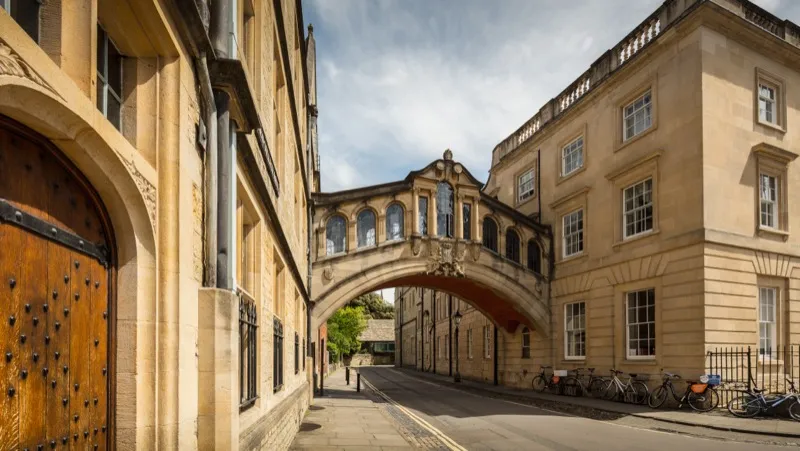
Home of the Bridge of Sighs — the much-photographed arch over New College Lane
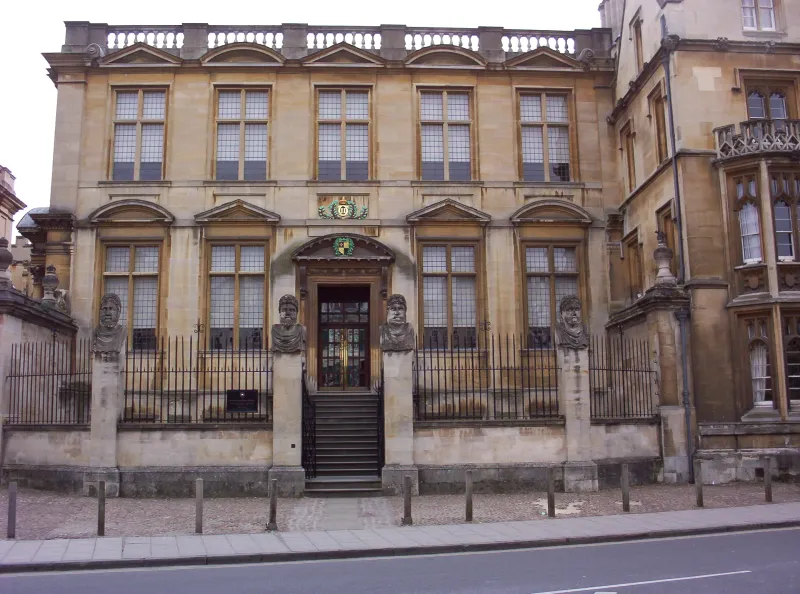
Scientific instruments from antiquity to the early 20th century, in the oldest purpose-built museum building still standing.

Victorian cemetery established in 1847 on Merton College land. The resting place of Kenneth Grahame, Walter Pater, Charles Williams and the Mad Hatter's reputed model — now a wildlife refuge with muntjac deer and pheasants.
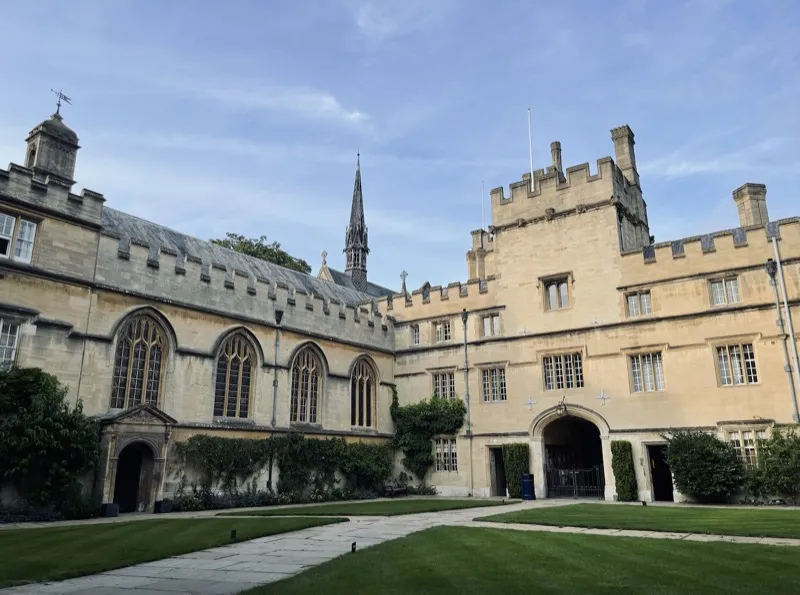
The Welsh college on Turl Street — quieter than its neighbours, full of character
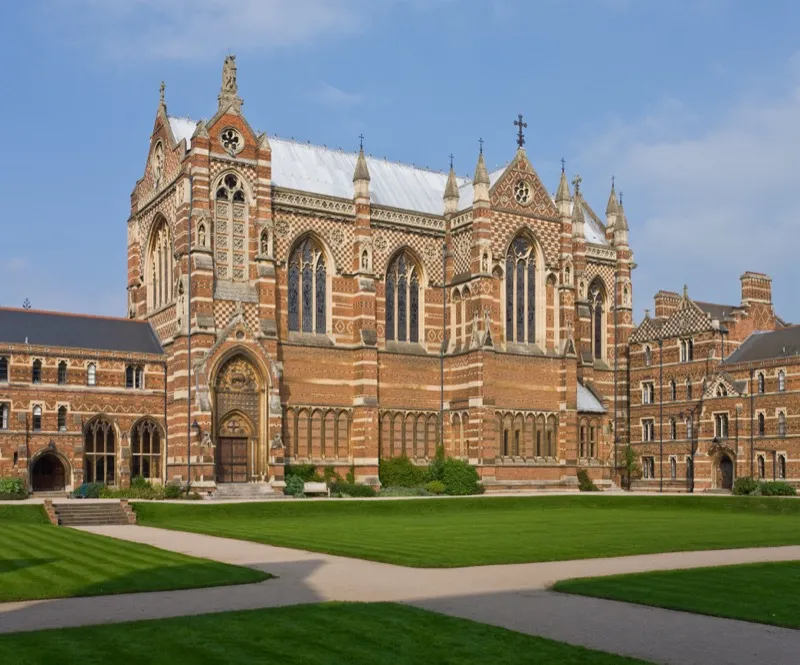
Butterfield's Victorian polychrome brick, and Holman Hunt's The Light of the World in the chapel.
Oxford's part-time and continuing education college, host to the Department for Continuing Education.
Riverside gardens and pioneering history, away from the tourist crush
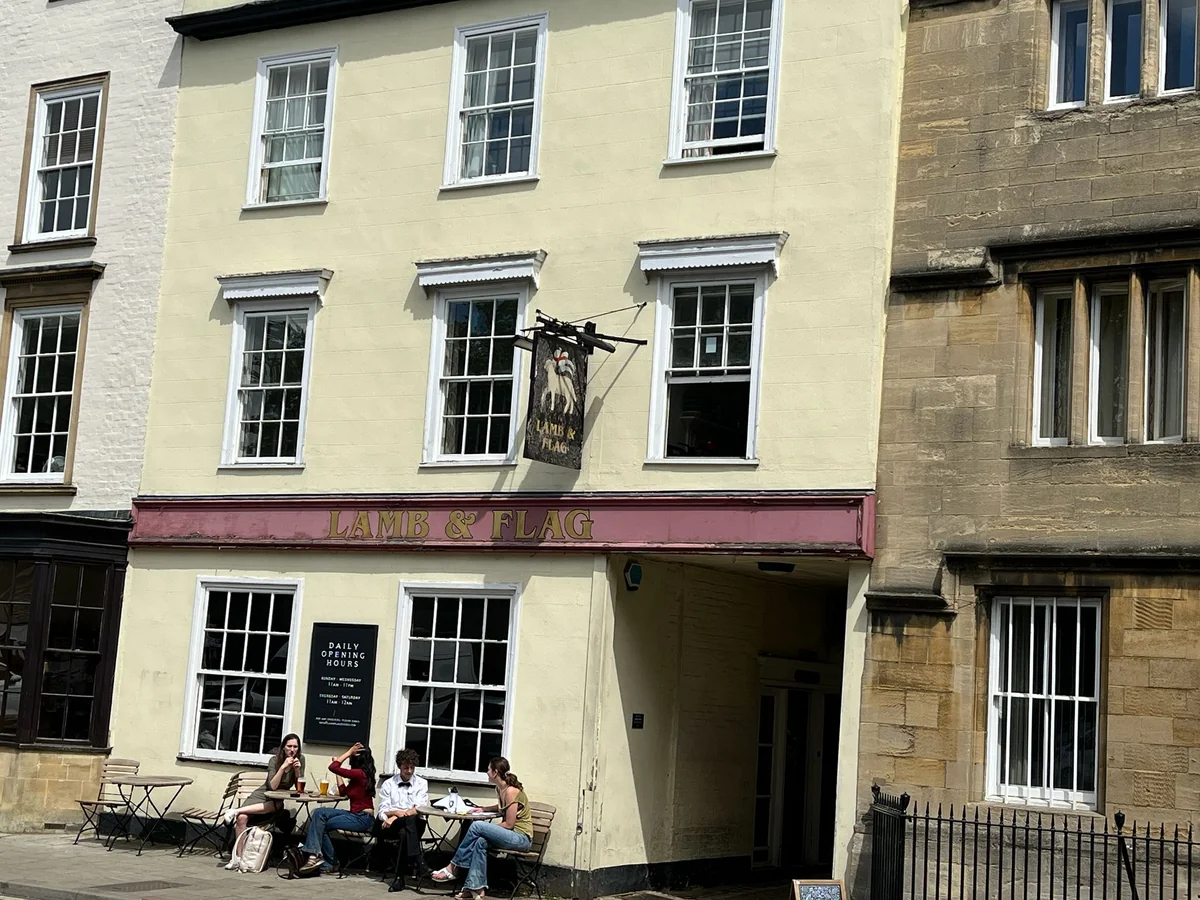
A proper Oxford local — ancient, unpretentious, and owned by St John's College.
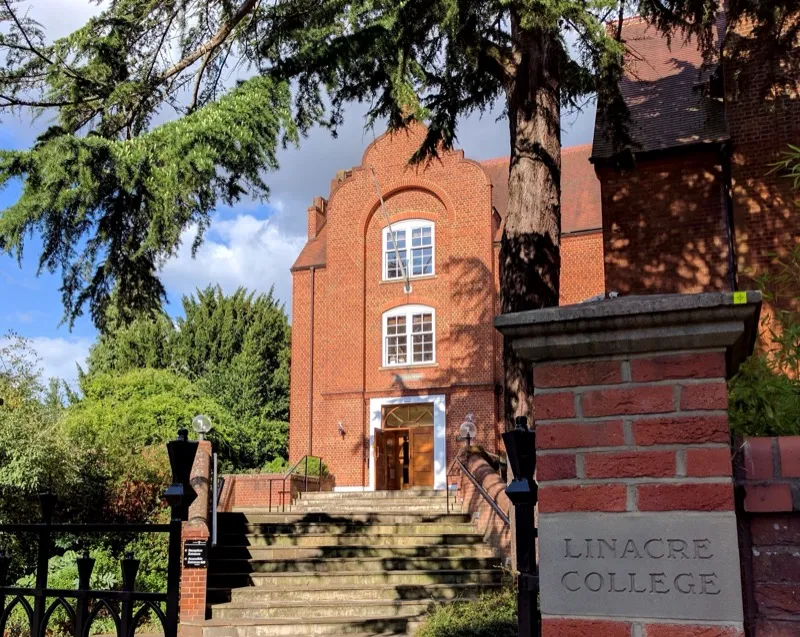
An eco-focused graduate college on St Cross Road, with one of the city's lowest-carbon college buildings.
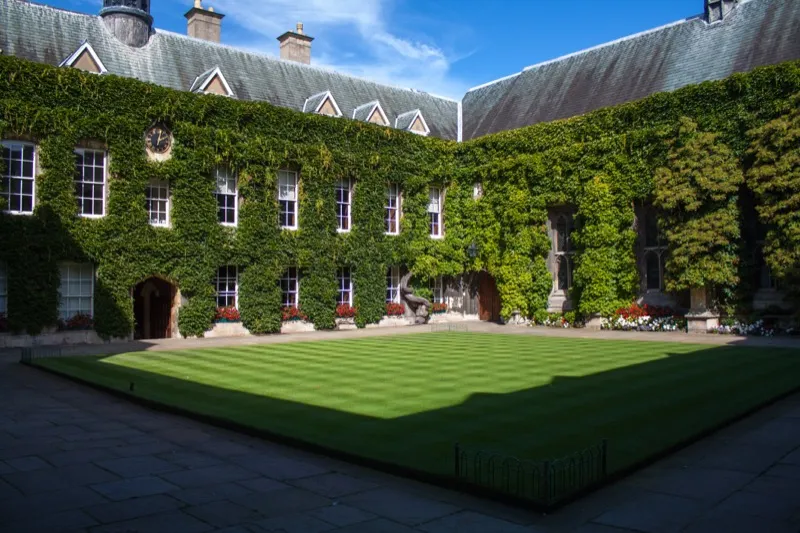
A perfectly preserved medieval gem on Turl Street — John Wesley's college
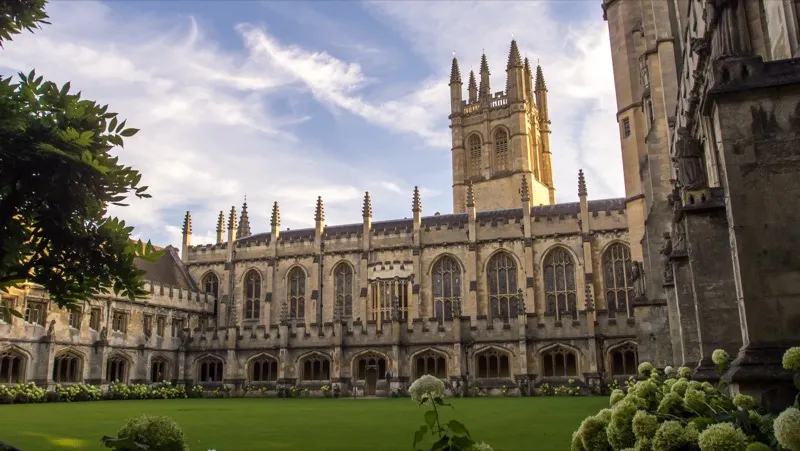
Extensive grounds with a deer park, river walks, and a famous tower
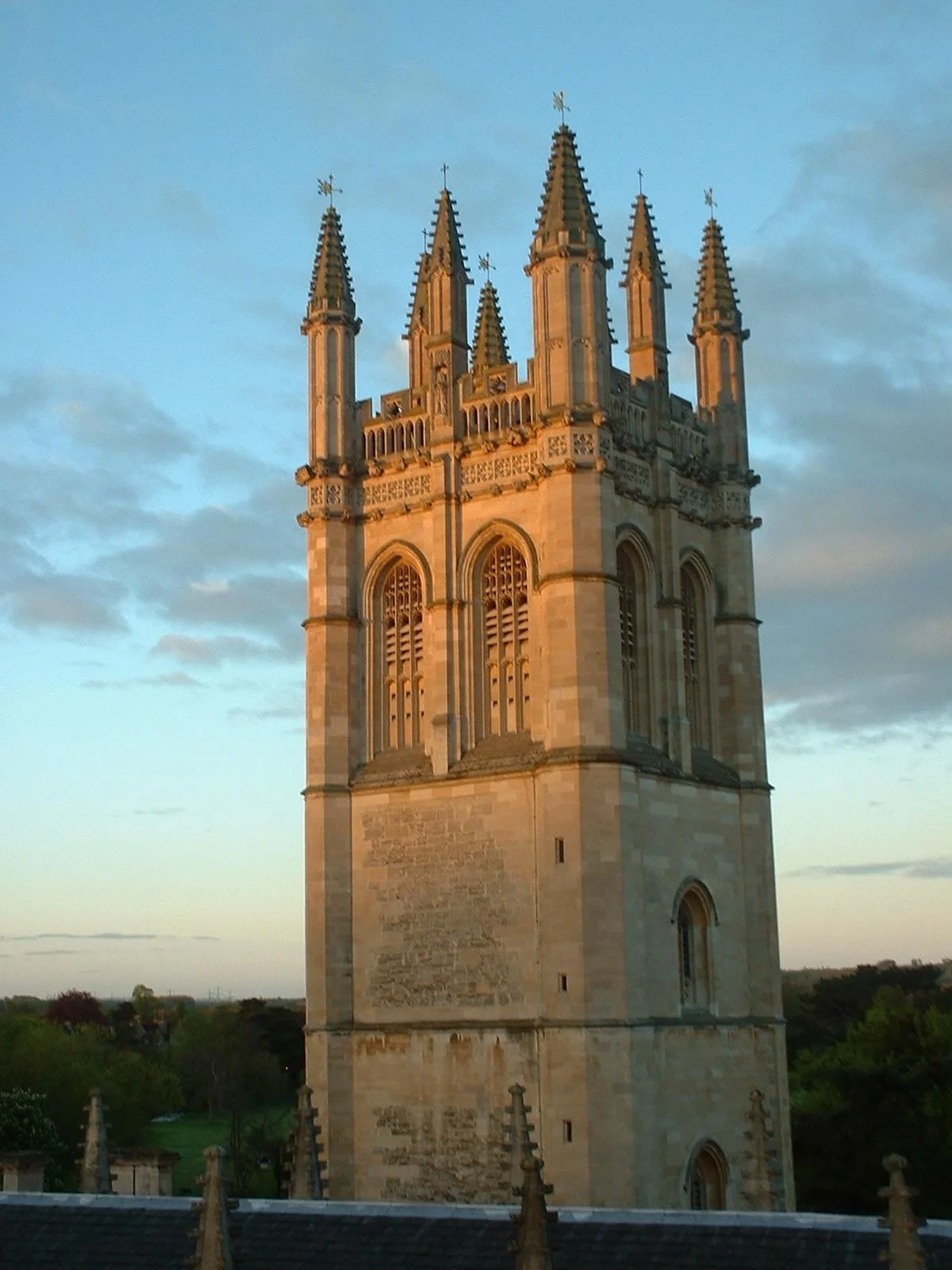
The 144-foot perpendicular Gothic tower of Magdalen College (1509) — the centrepiece of the High Street and the gathering point for May Morning.
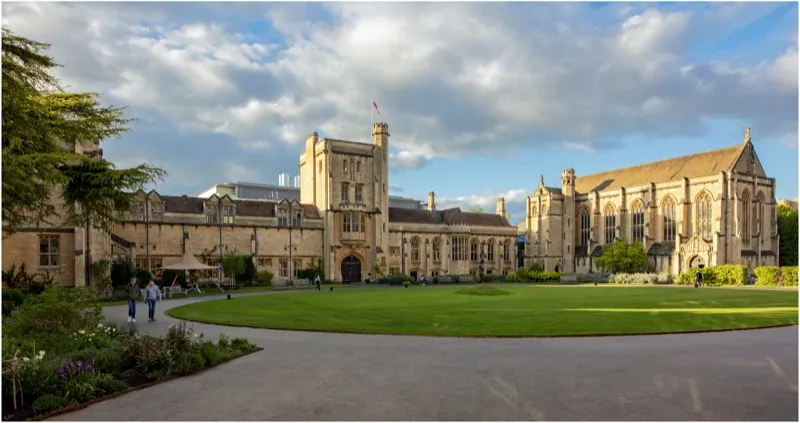
A Nonconformist college with a Gothic Revival chapel and progressive spirit
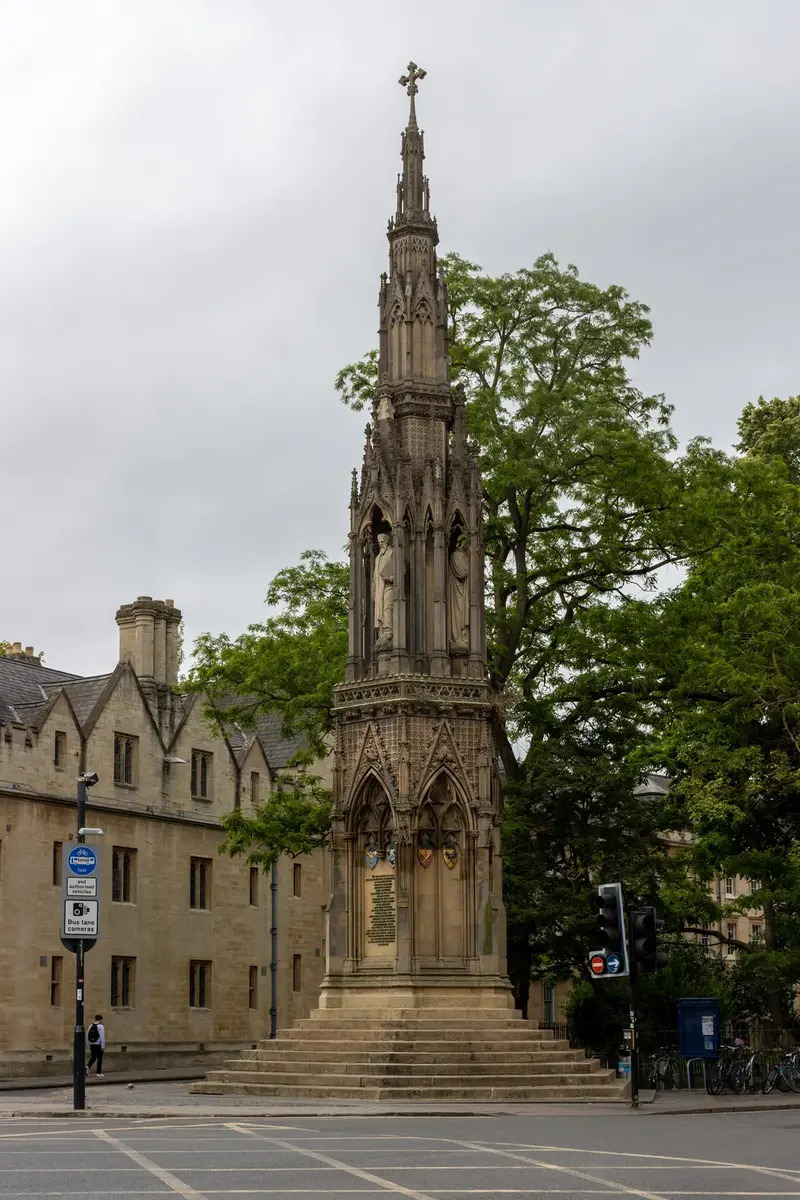
Sir Gilbert Scott's 1843 Gothic-Revival monument to Cranmer, Latimer and Ridley — the three Oxford Martyrs burned for heresy in 1555–1556.
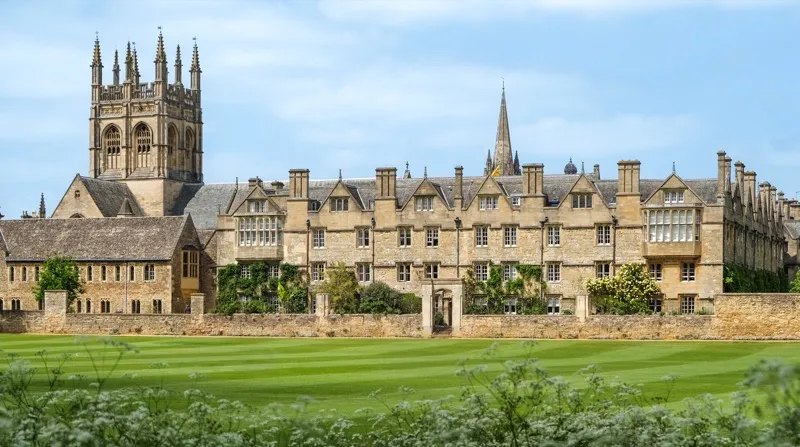
Oxford's oldest quad, a medieval library, and Tolkien's second home
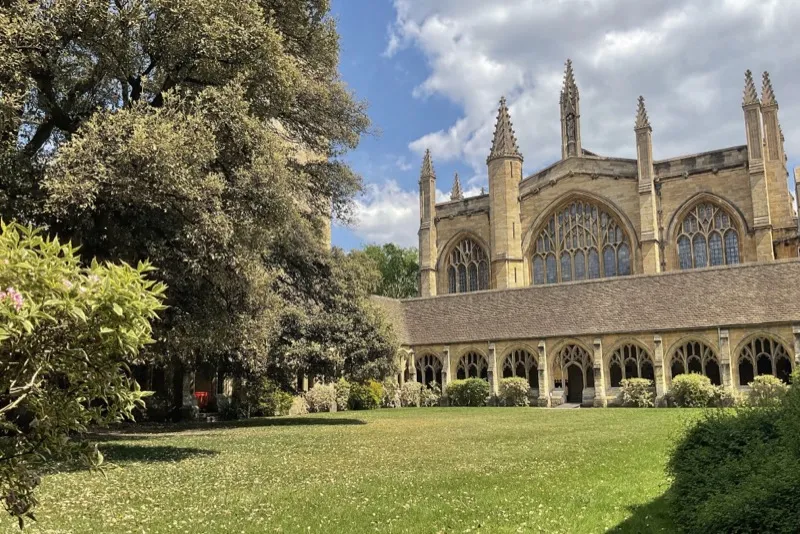
Medieval cloisters, a stretch of city wall, and a chapel with an El Greco
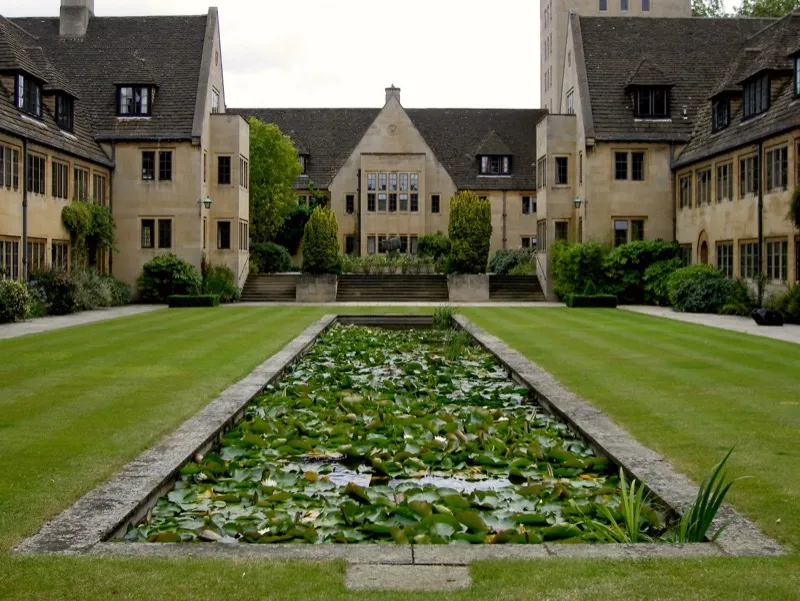
Oxford's social science powerhouse — architecturally divisive, intellectually formidable
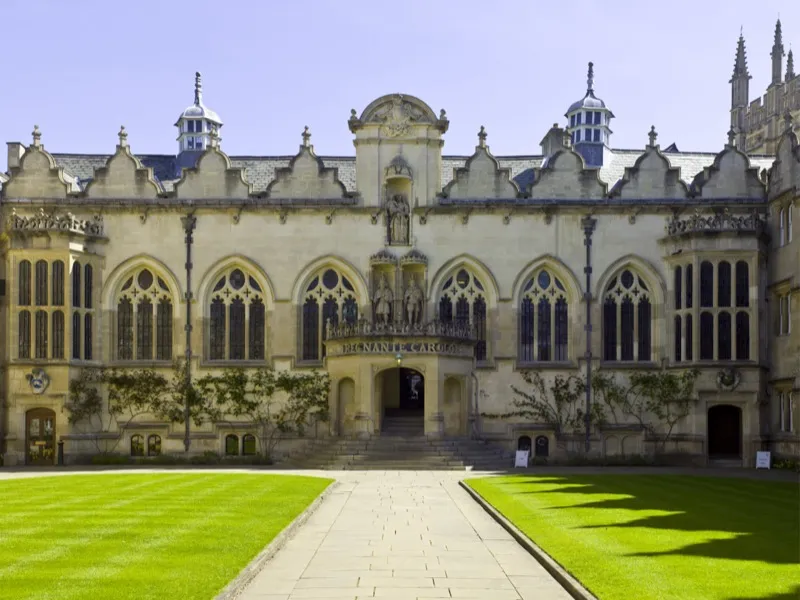
Oxford's oldest royal foundation — seven centuries on a beautiful square
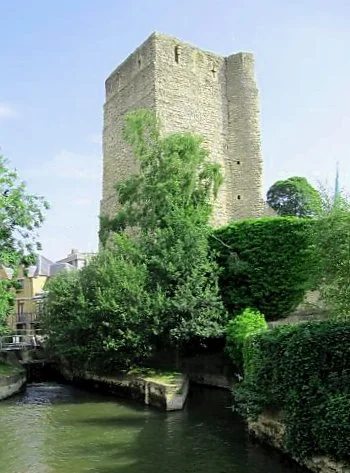
Norman castle (1071) and former Victorian prison — the medieval mound, St George's Tower, and 1,000 years of overlapping use.

The 13th-century defensive ring around medieval Oxford — best-preserved in the gardens of New College.
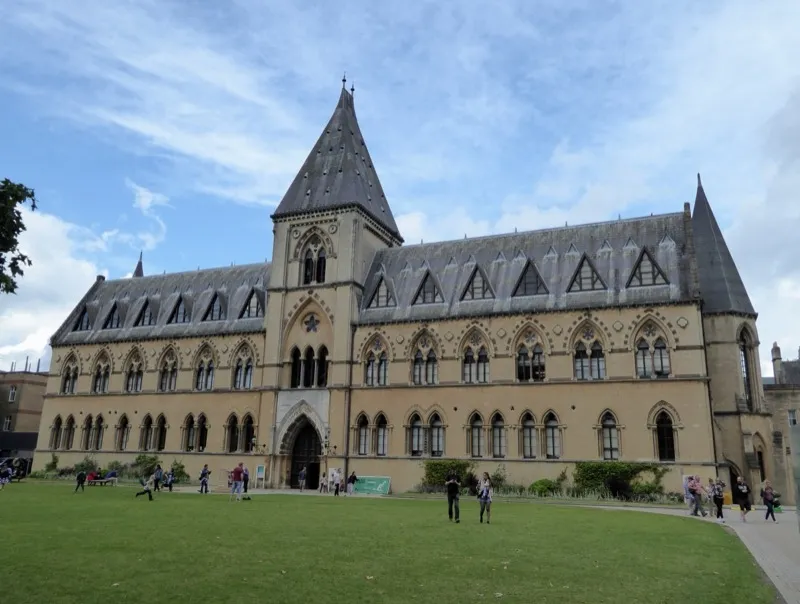
Dinosaurs, dodos, and Darwin's legacy — all under a Gothic Revival iron-and-glass roof.
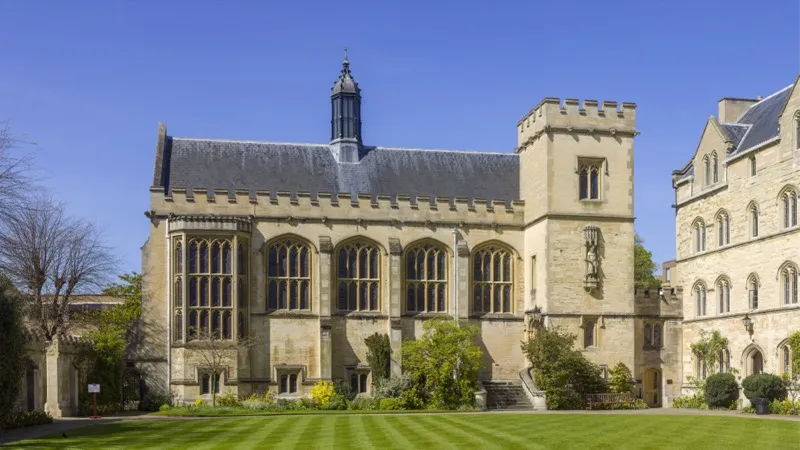
Samuel Johnson's college — quietly handsome, just off St Aldate's
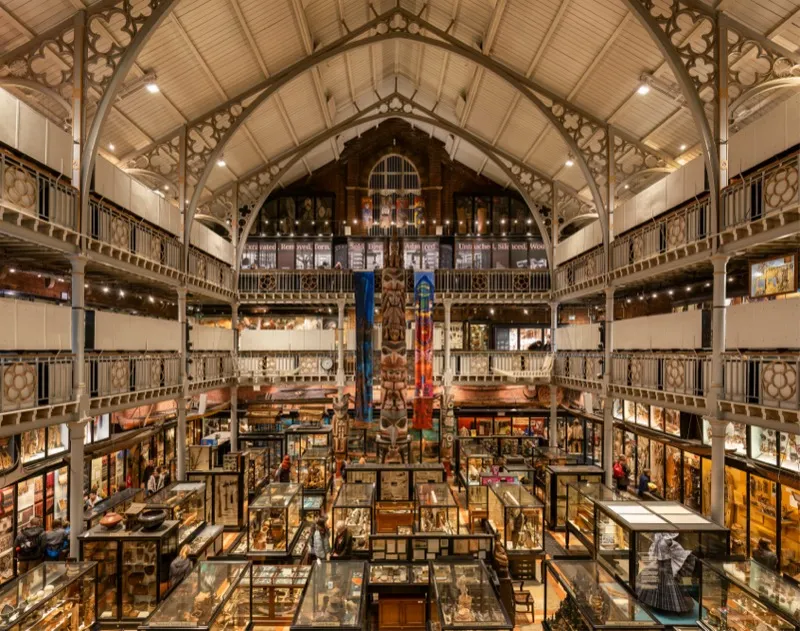
A Victorian cabinet of curiosities — shrunken heads, totem poles, and half a million objects from every culture on earth.
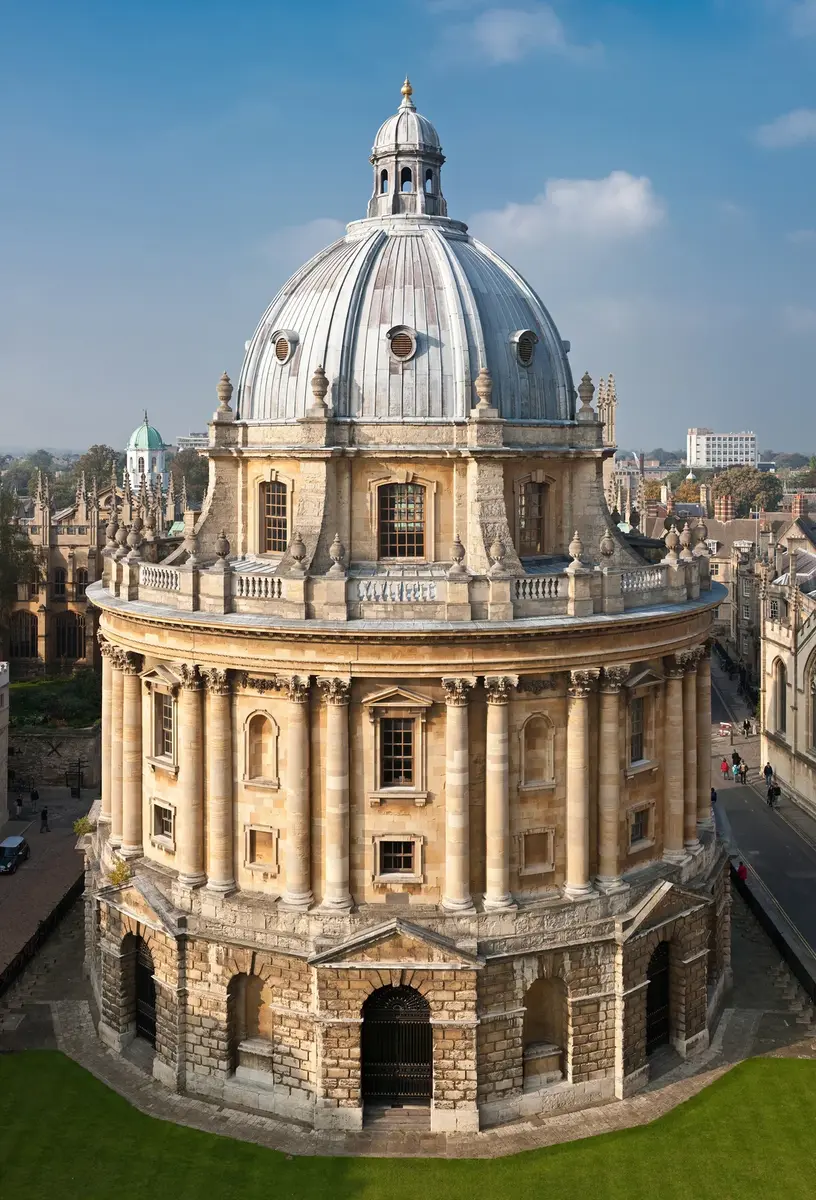
James Gibbs's English Palladian rotunda (1749) — the first circular library in the country and the most photographed building in Oxford.
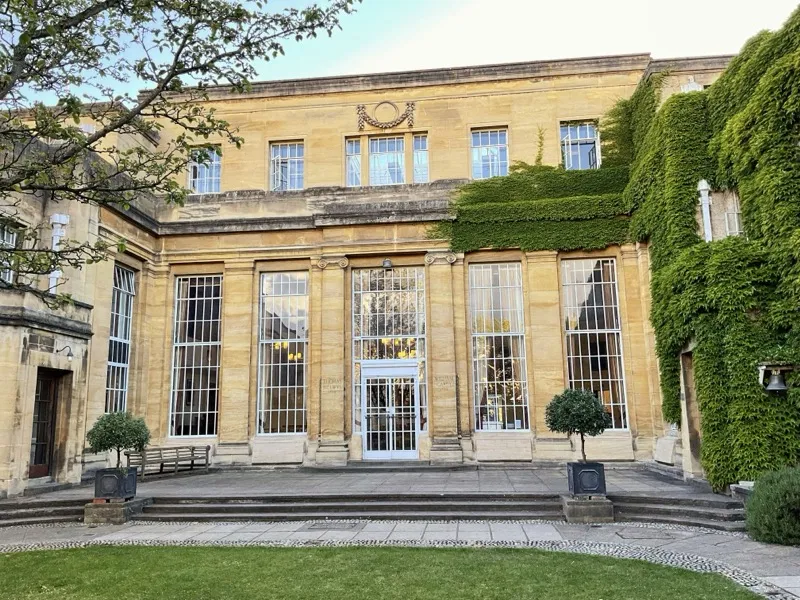
A tiny Baptist hall on St Giles' — small and friendly
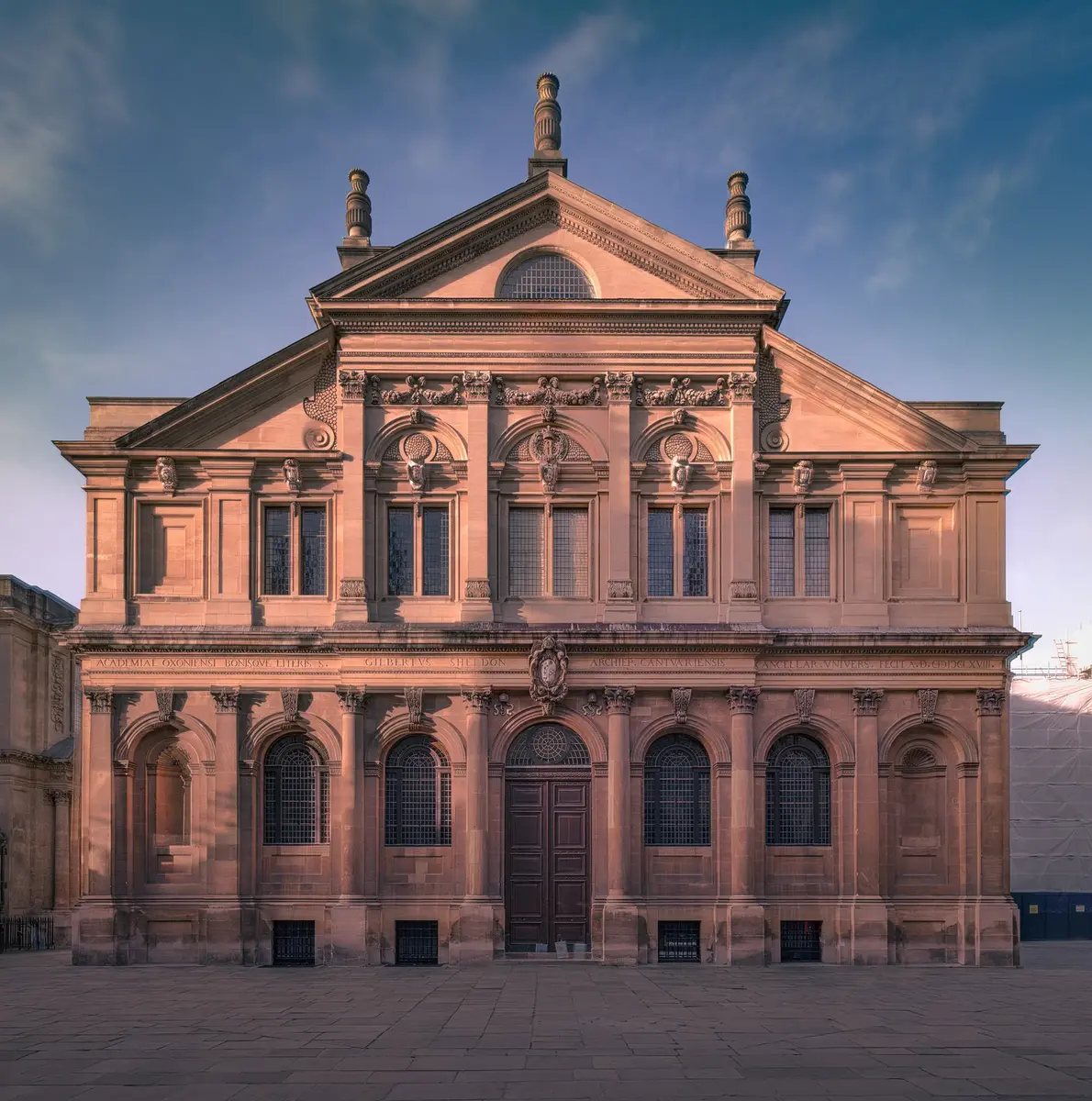
Sir Christopher Wren's early work (1664–1669) — the University's ceremonial assembly hall, with a painted ceiling and a viewing cupola.
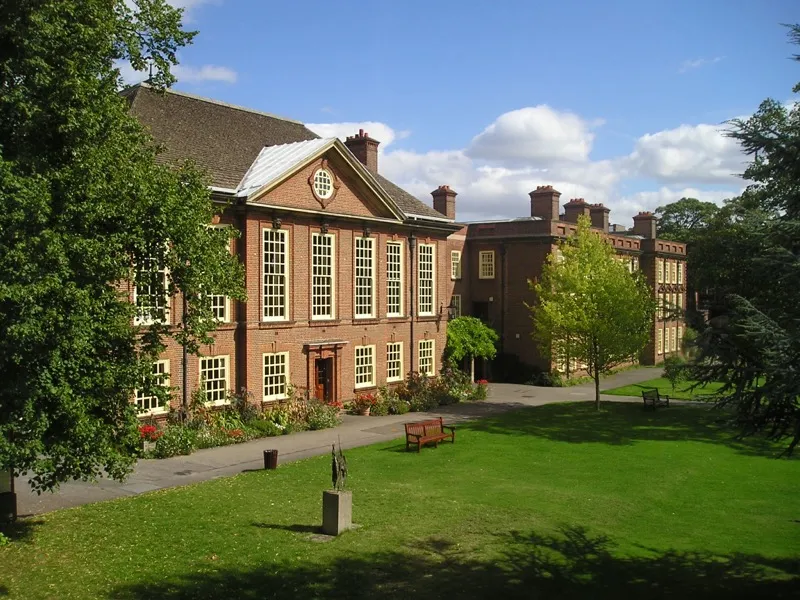
A pioneering women's college — alumni include Thatcher, Sayers, and Indira Gandhi
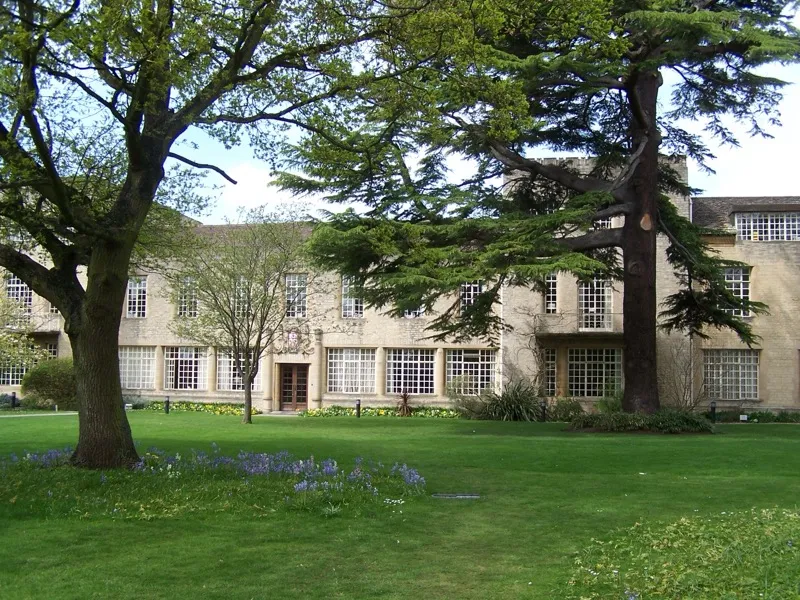
A modernist campus college with a strong access ethos, between Woodstock Road and the University Parks
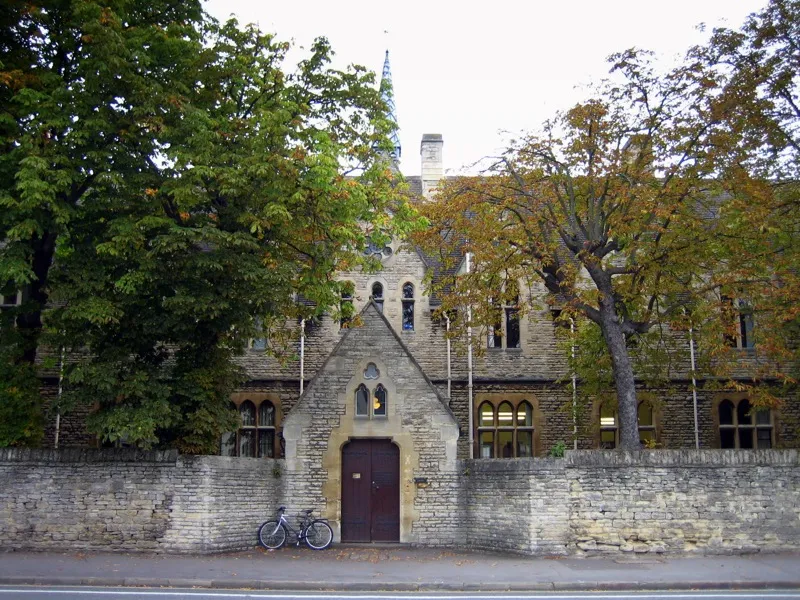
Oxford's international affairs college, known for its seminar programme and area studies.
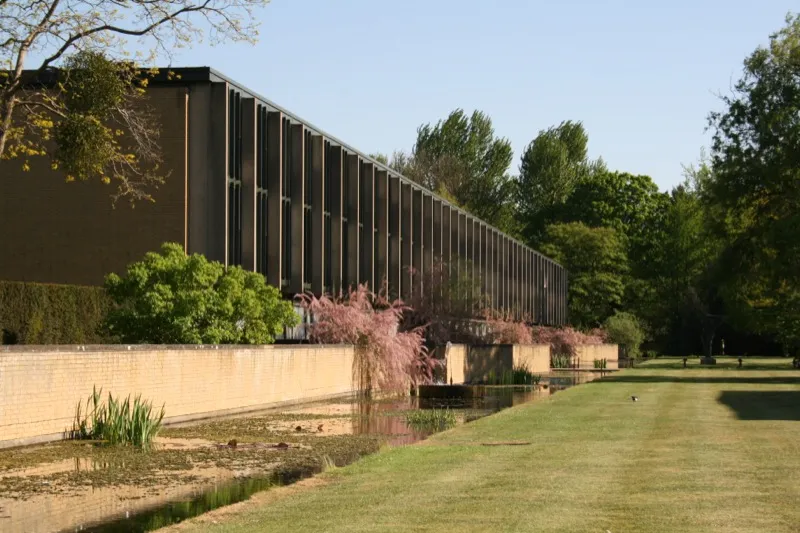
Designed by Arne Jacobsen — a complete modernist campus with sculpture gardens by the Cherwell
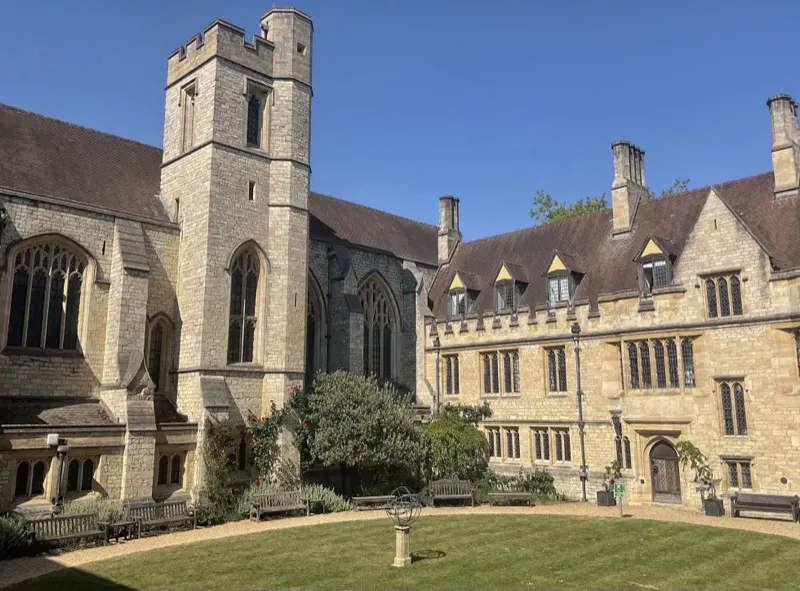
A small graduate college sharing the Grade II-listed Pusey House on St Giles'
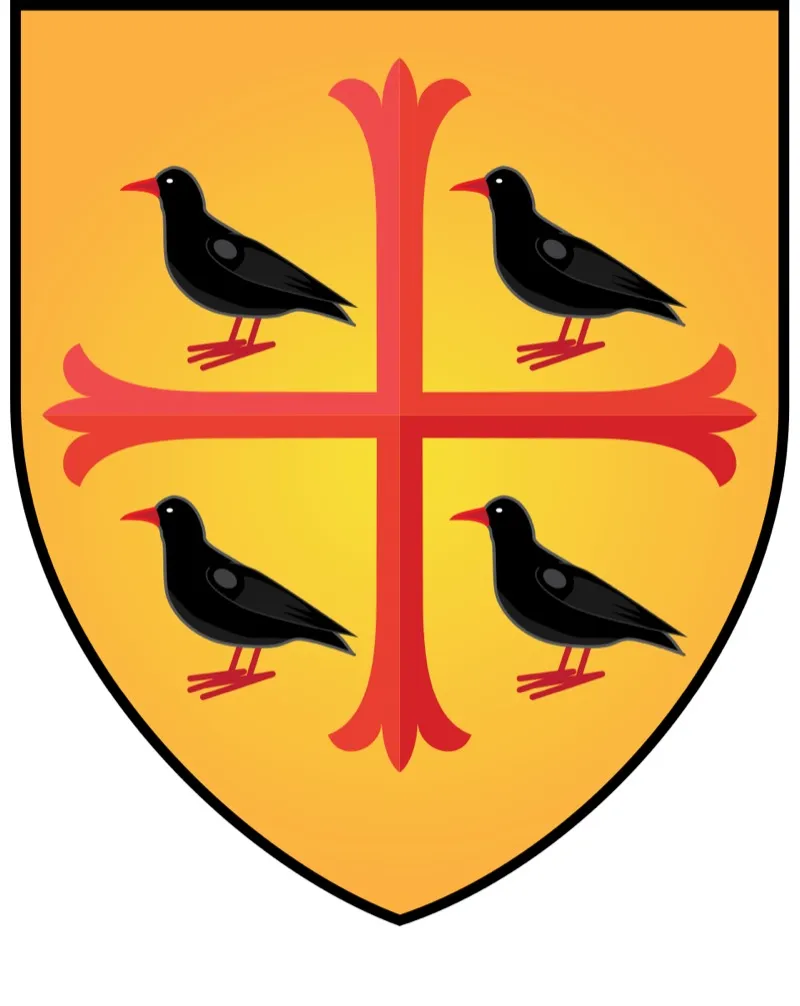
The oldest academic hall in any university — 800 years in a tiny quad off Queen's Lane
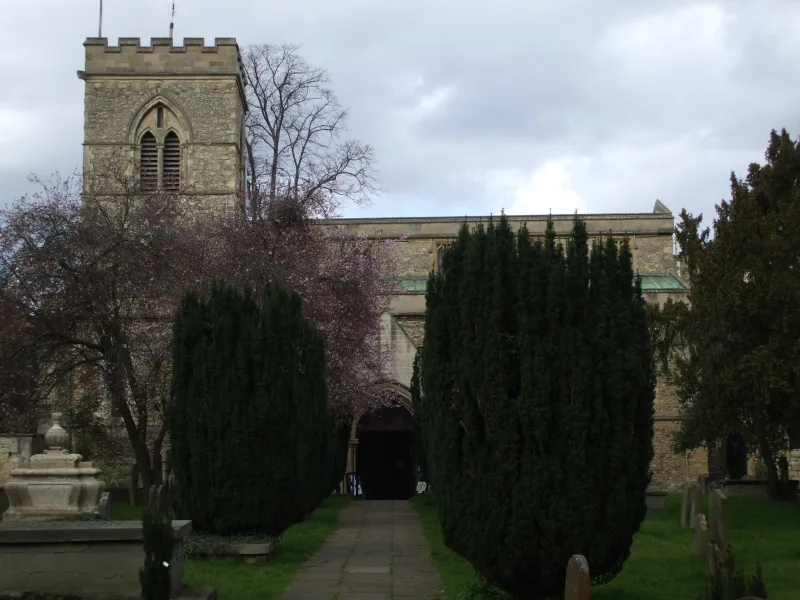
The Norman parish church at the northern head of St Giles', finished in 1120 and consecrated in 1200 by St Hugh of Lincoln — the consecration that gave Oxford [St Giles' Fair](/places/streets/st-giles/).
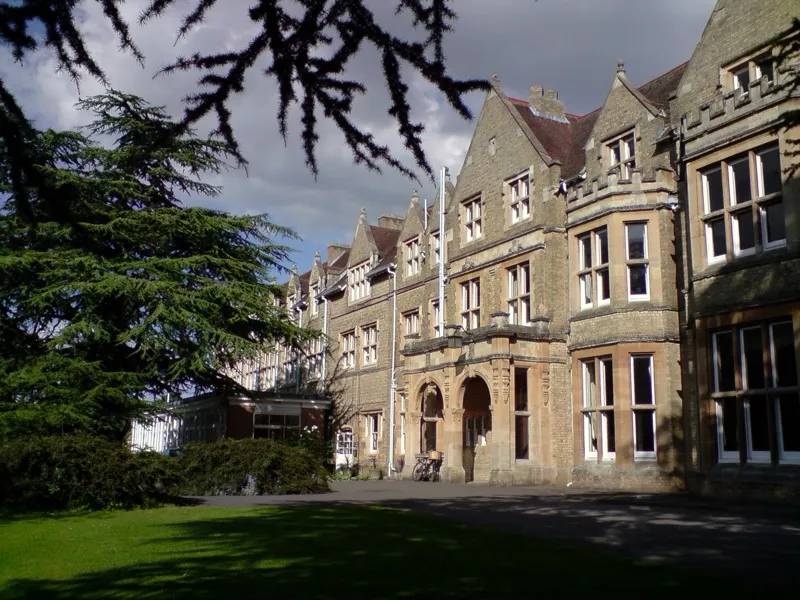
Oxford's last single-sex college (until 2008), with Cherwell riverside gardens
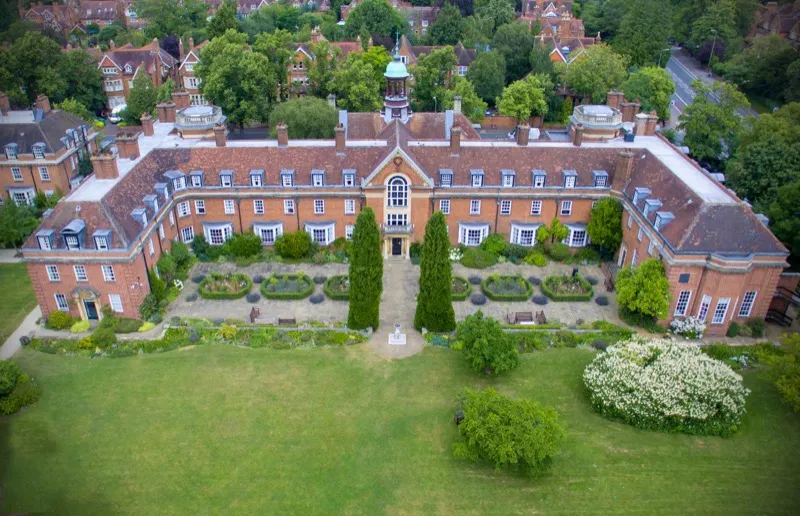
14 acres of gardens in North Oxford — one of the largest college grounds in the university
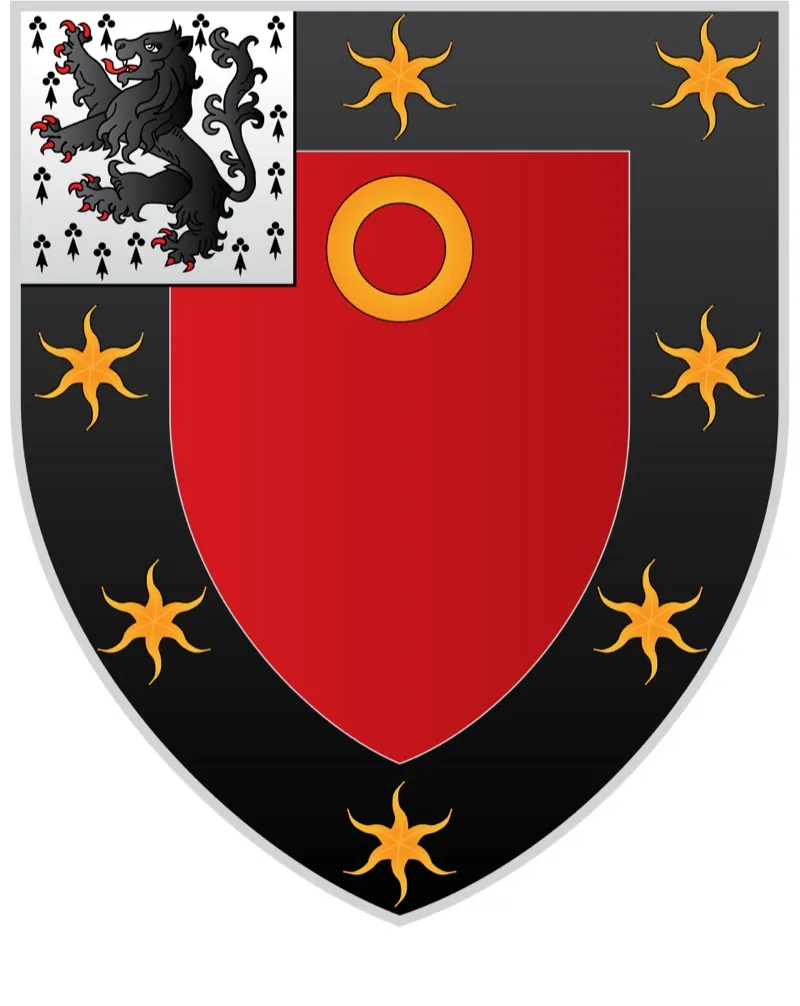
Oxford's wealthiest college — Canterbury Quad, large gardens, and serious money
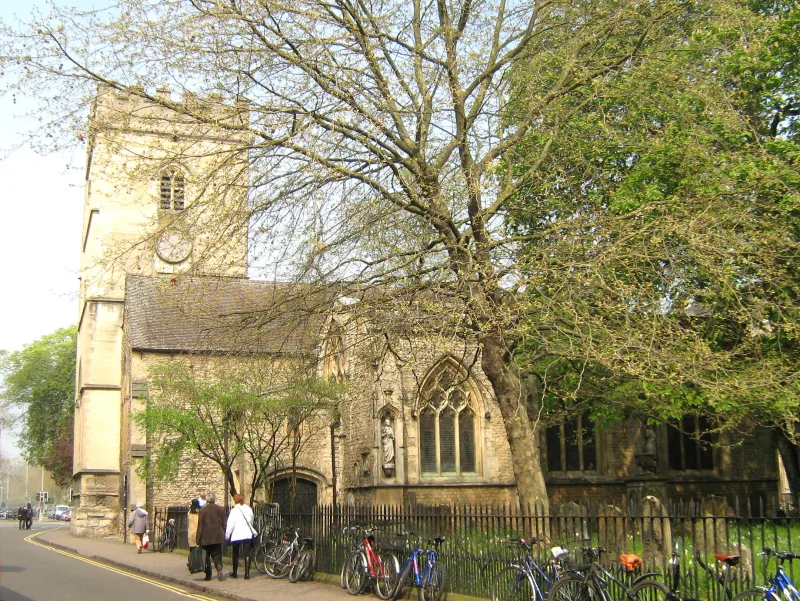
A Grade I-listed ancient parish church on Magdalen Street, with Saxon origins, work by Saint Hugh of Lincoln in 1194, and Oxford's first Gothic Revival interior — George Gilbert Scott's 1841 Martyrs' Aisle, complementing the [Martyrs' Memorial](/places/landmarks/martyrs-memorial/) immediately to the north.
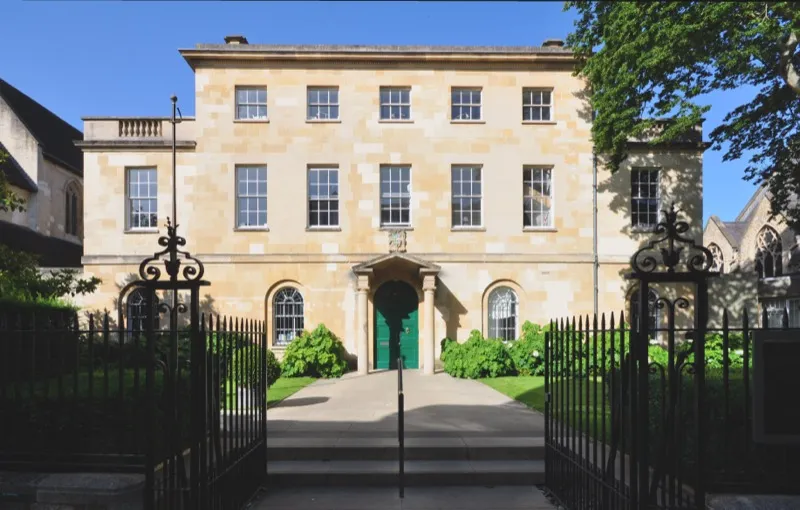
A young college on an ancient site — unassuming but well located near the castle
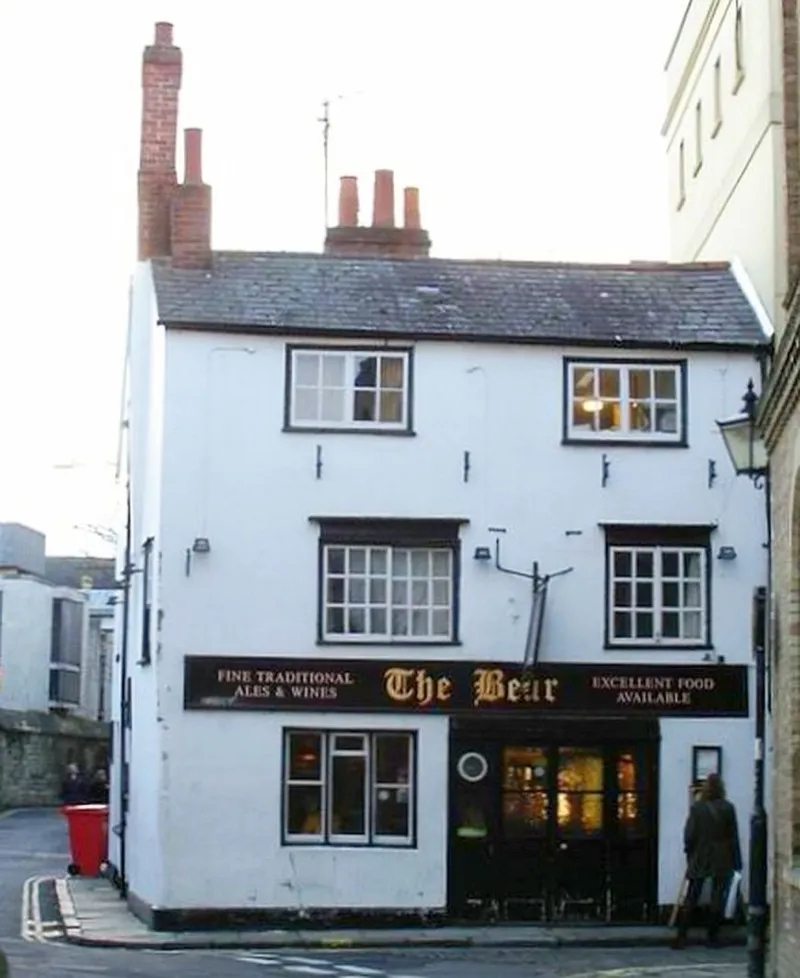
Said to be one of Oxford's oldest pubs — famous for its tie collection and recently expanded into a larger space.
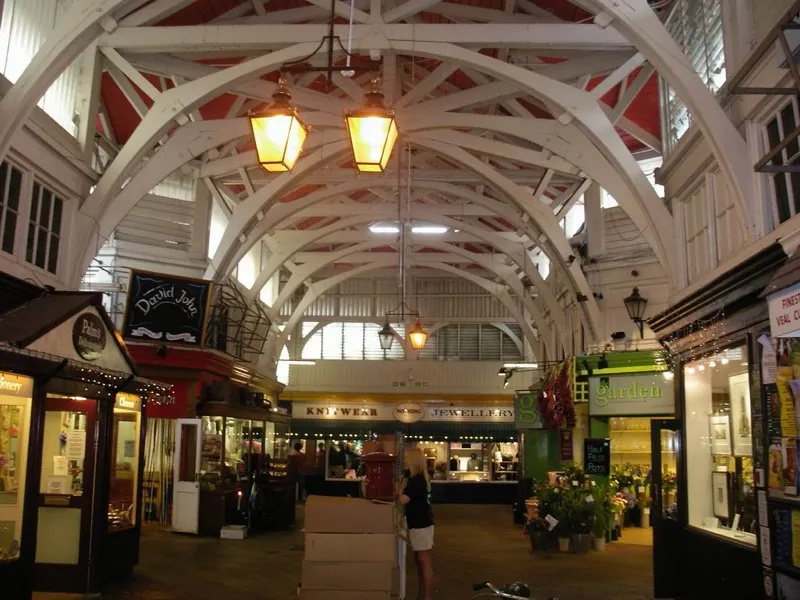
Oxford's beating heart since 1774 — over 50 independent stalls under one historic roof.
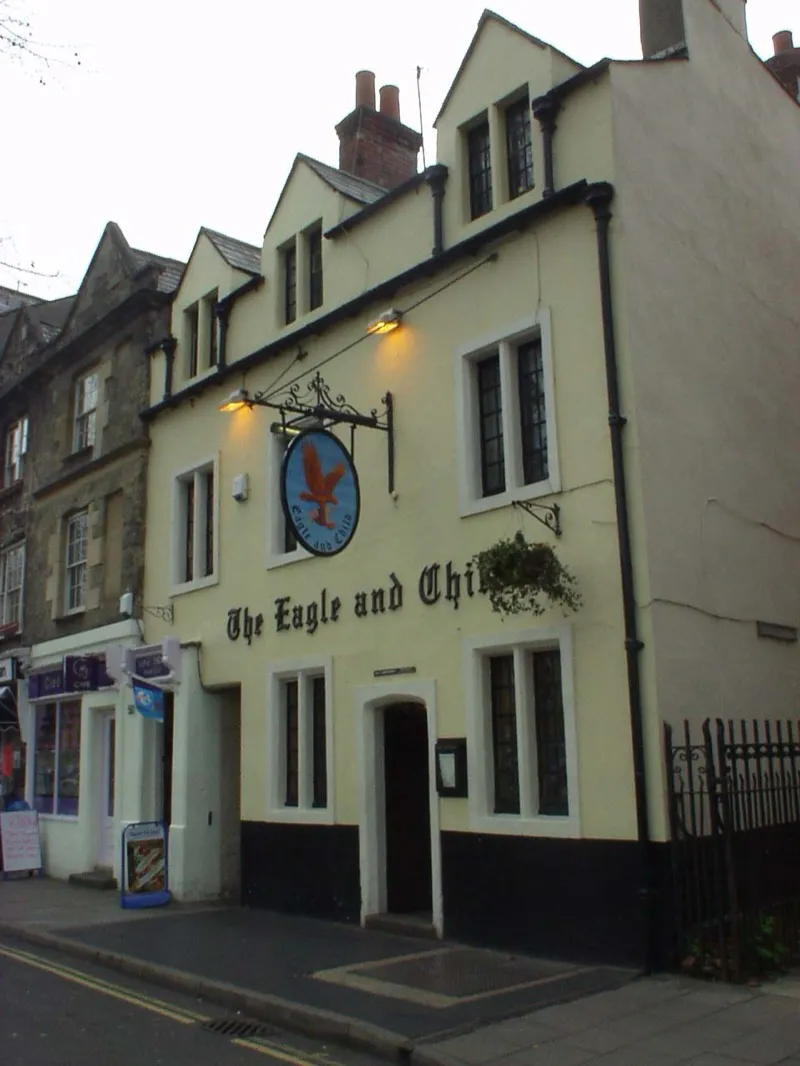
Where the Inklings met — Tolkien and Lewis's local on St Giles'.
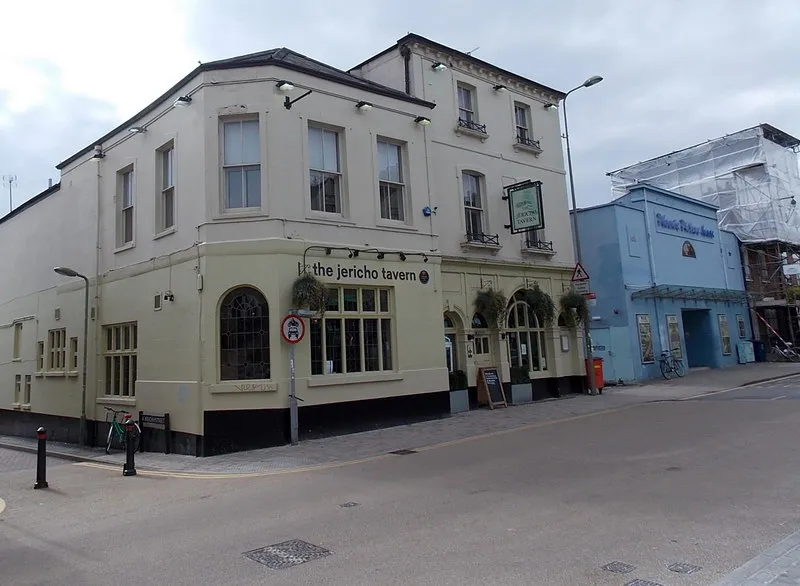
The pub where Radiohead played their first gig — Oxford's main small live music venue.
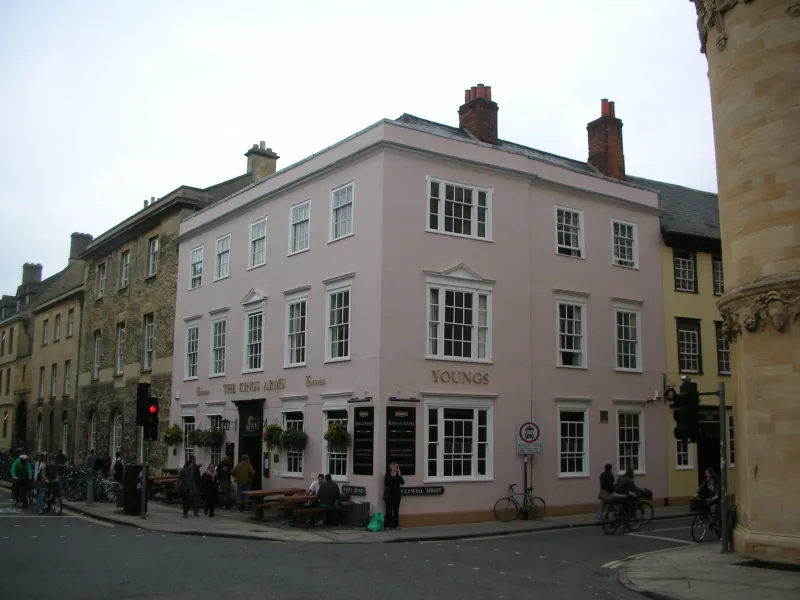
Oxford's quintessential student pub — Young's ales on Holywell Street, opposite the Bodleian.
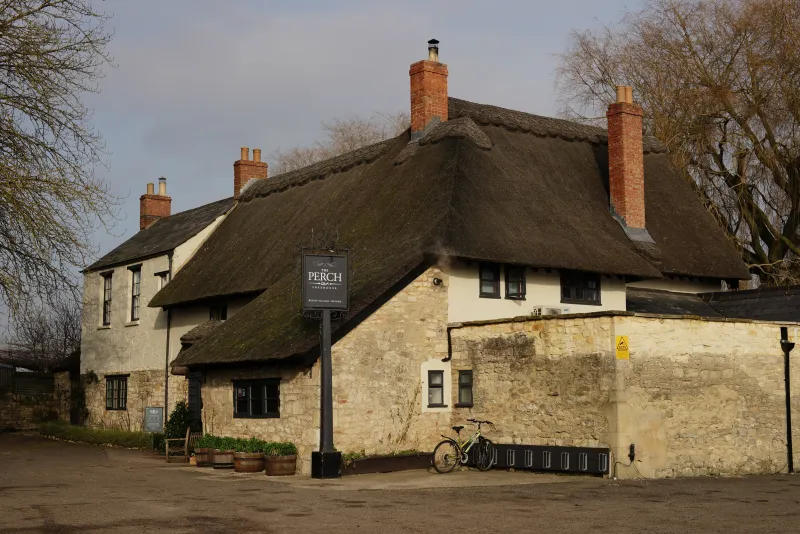
A thatched riverside pub reached via a walk across Port Meadow.
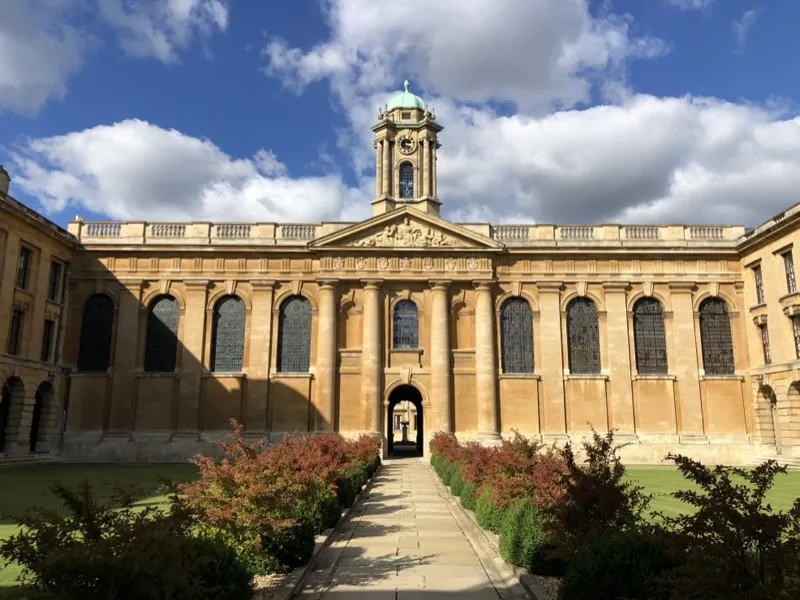
A baroque showpiece on the High Street — Oxford's only fully classical college
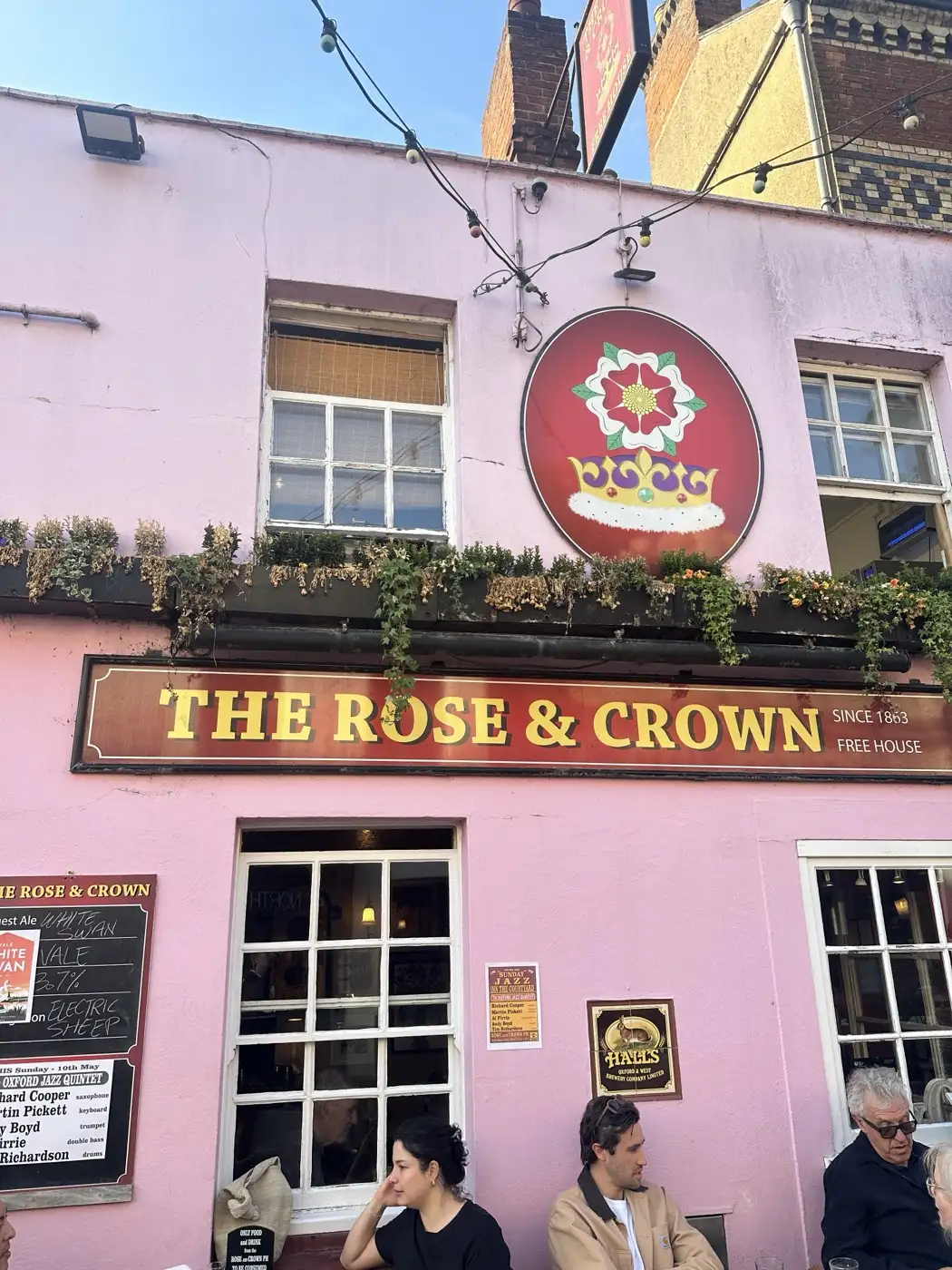
North Parade's anchor pub — a proper local where the landlord knows every regular by name.
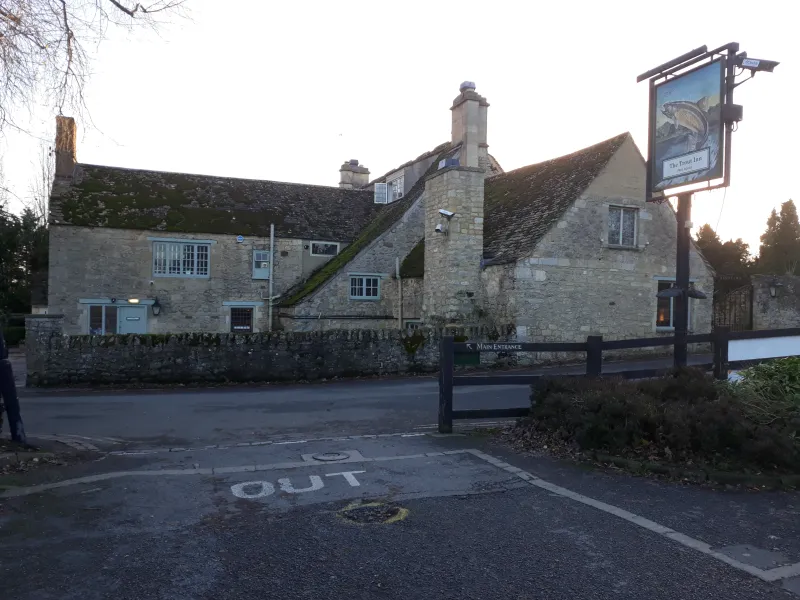
Inspector Morse's local, perched over a weir on the Thames at Wolvercote — come for the view, stay for the atmosphere.
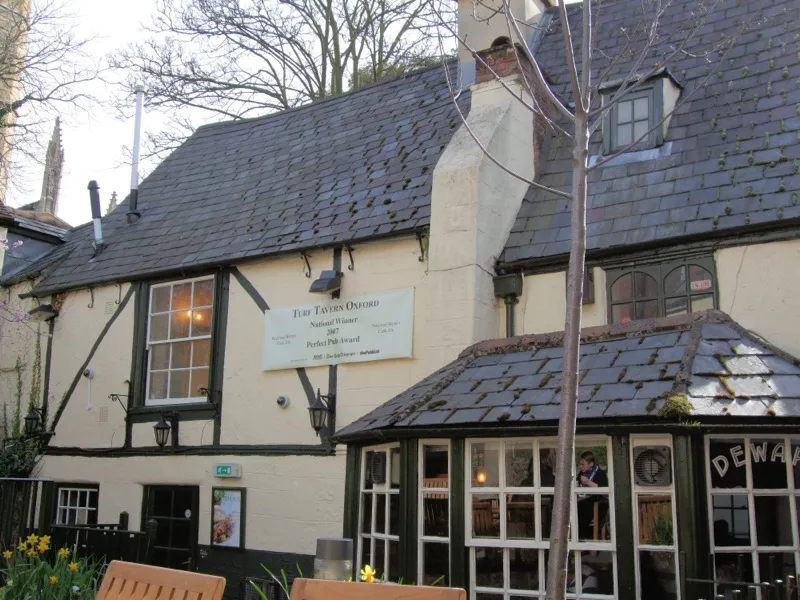
A well-hidden pub, tucked down a medieval alleyway behind the Bodleian.
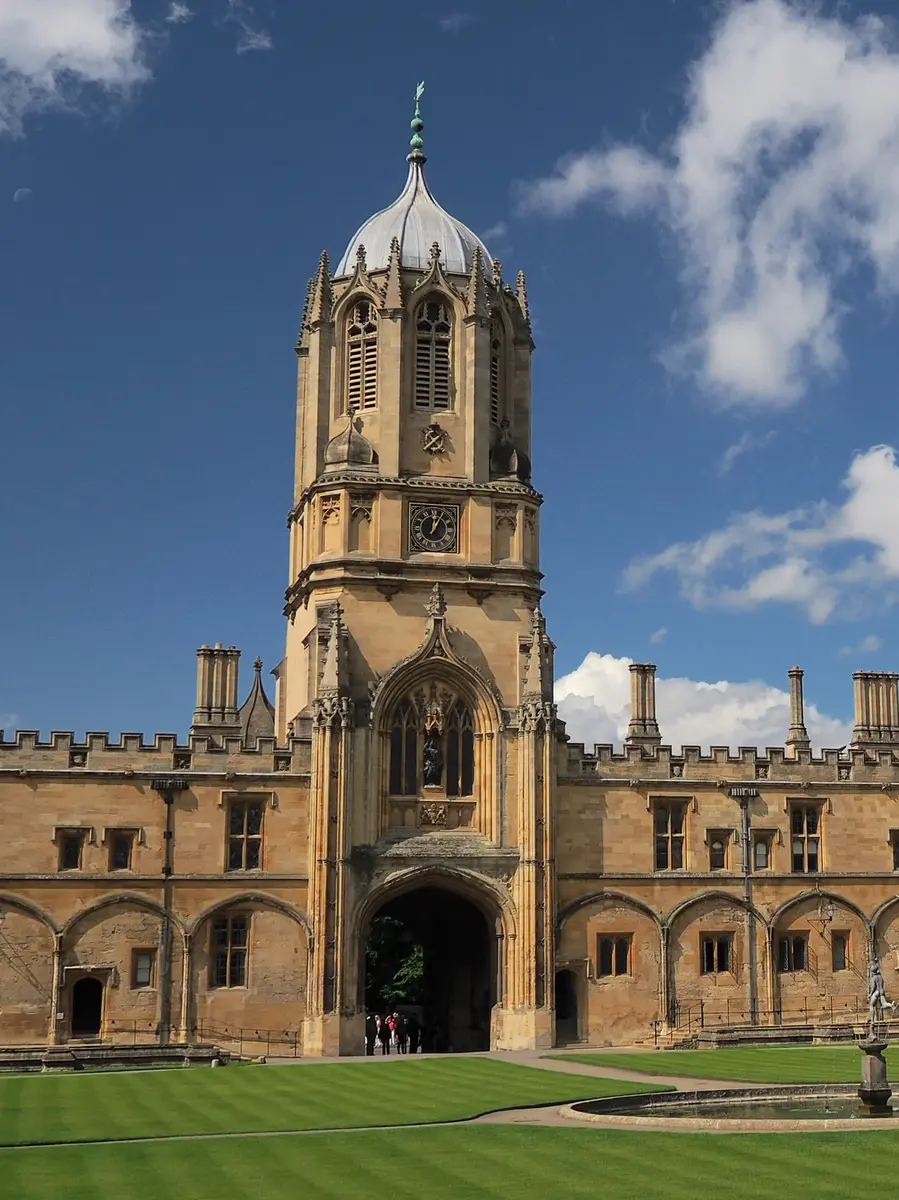
Sir Christopher Wren's Gothic-revival gatehouse tower at Christ Church (1682) — home of Great Tom, the bell that still rings 101 times every night.
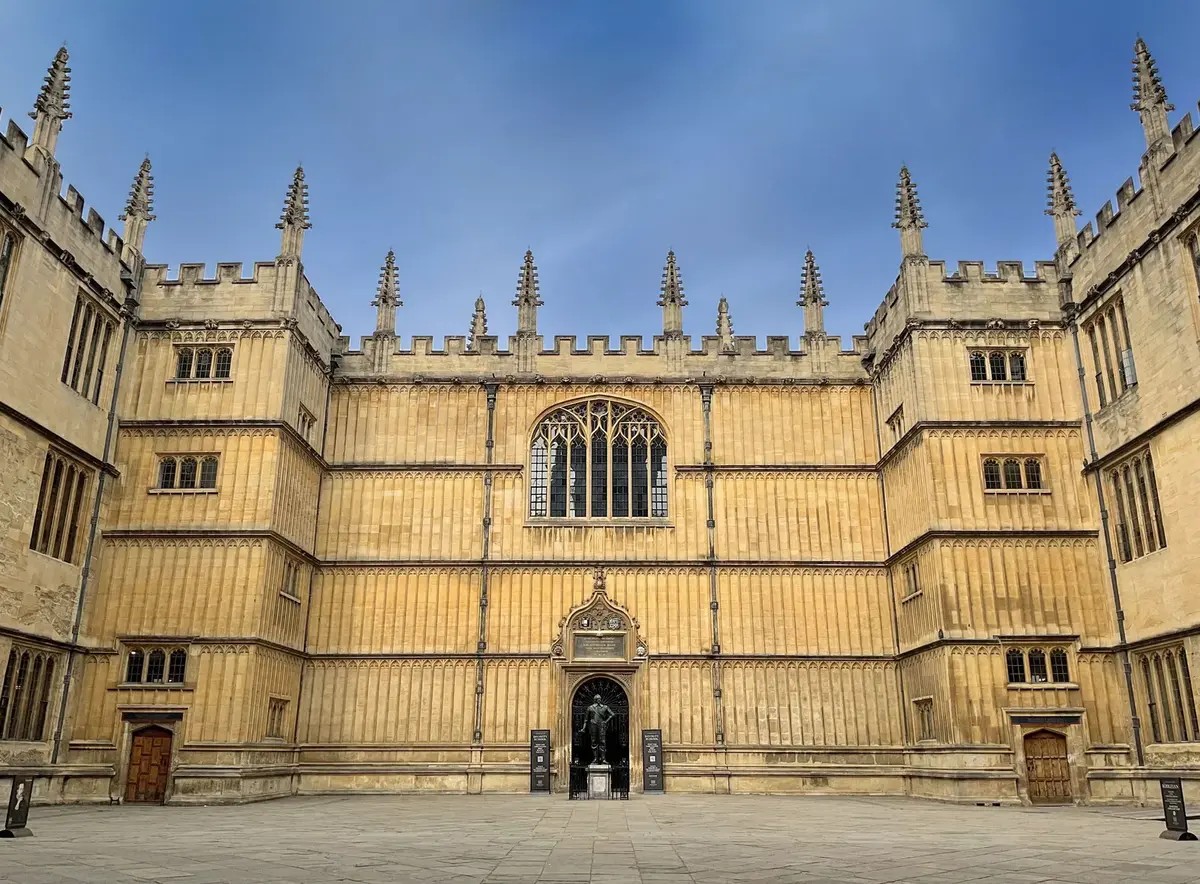
The Jacobean entrance tower of the Bodleian — a single building demonstrating all five classical orders, stacked vertically.
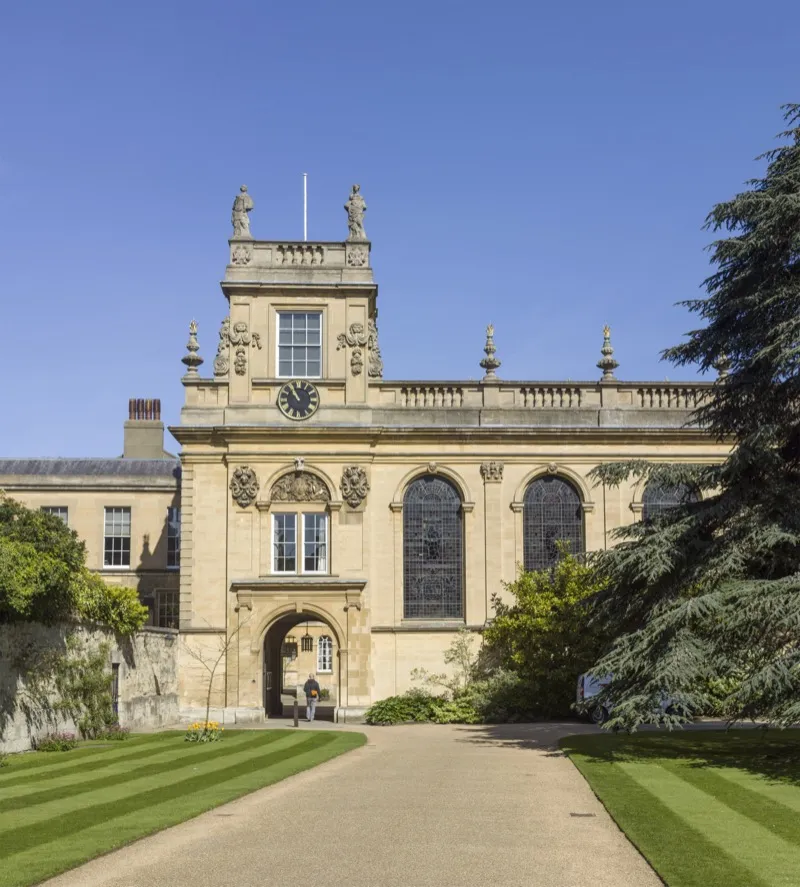
Spacious gardens and a Wren chapel on Broad Street — often overlooked
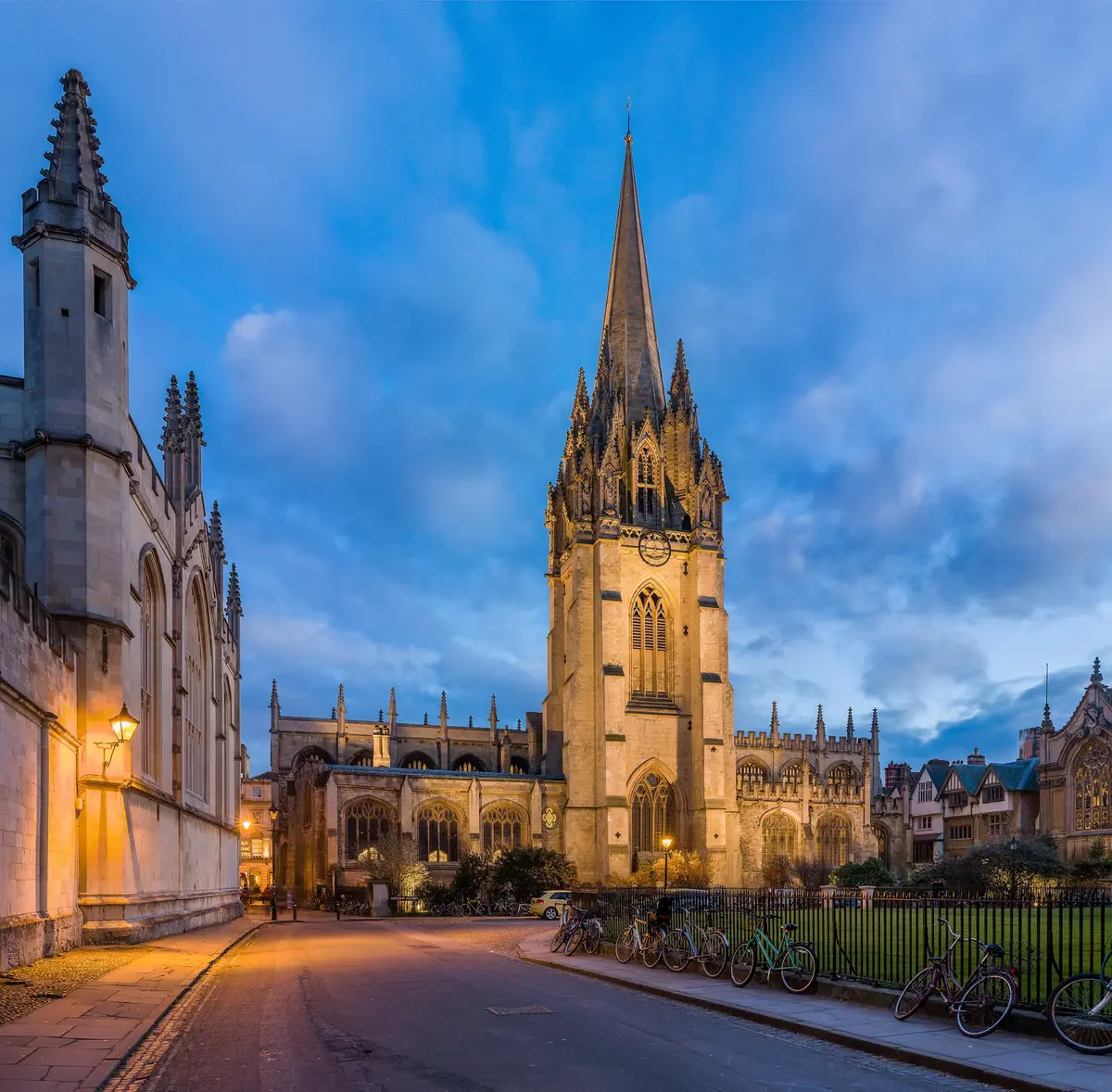
The University's church on the High Street, with one of the best tower views in Oxford and a 13th-century spire.
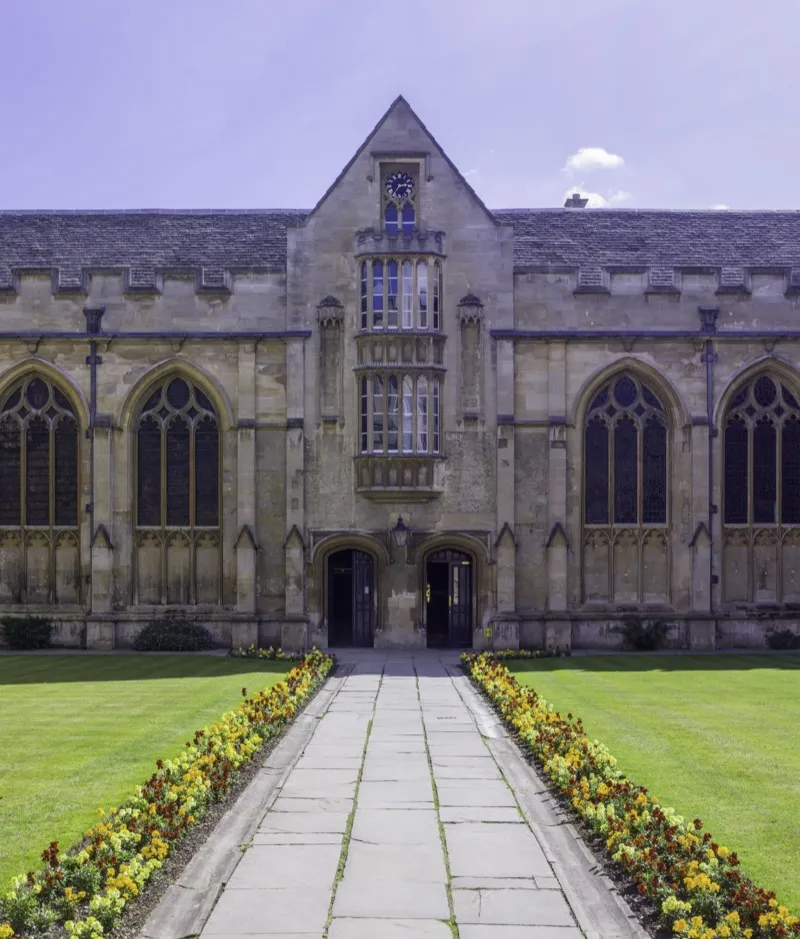
Possibly Oxford's oldest college — Shelley's memorial and a long High Street facade
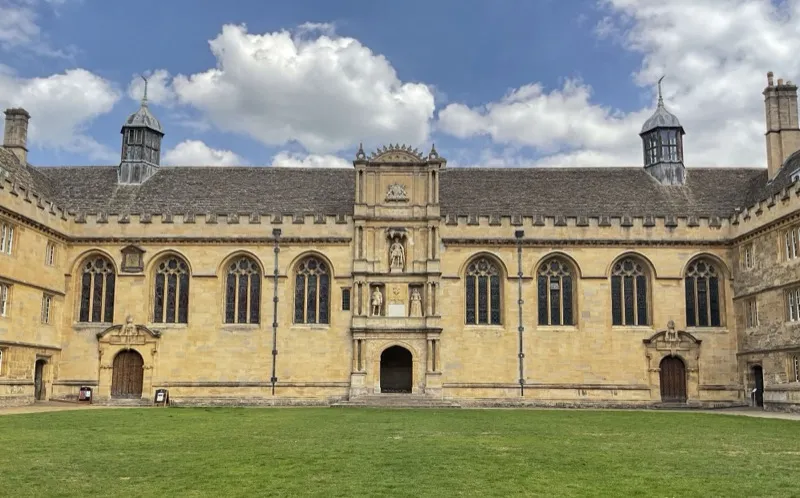
A well-preserved Jacobean quad, large gardens, and a progressive reputation
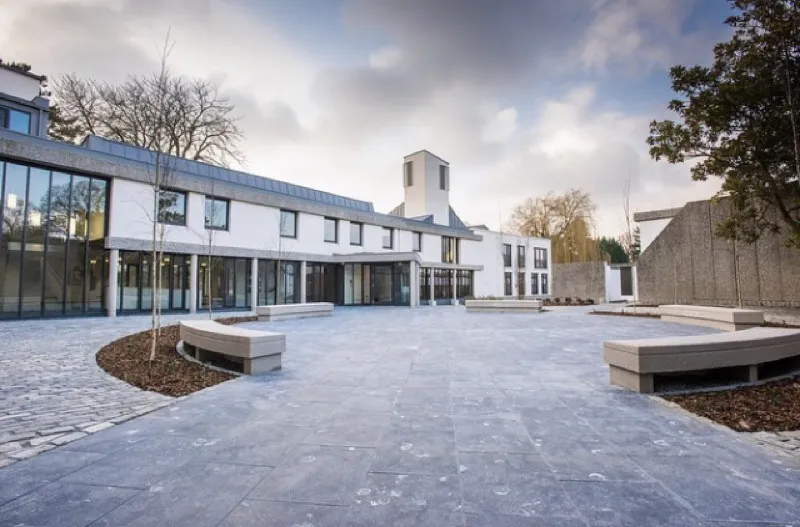
Isaiah Berlin's riverside graduate college — Powell & Moya's Grade II-listed modernist campus
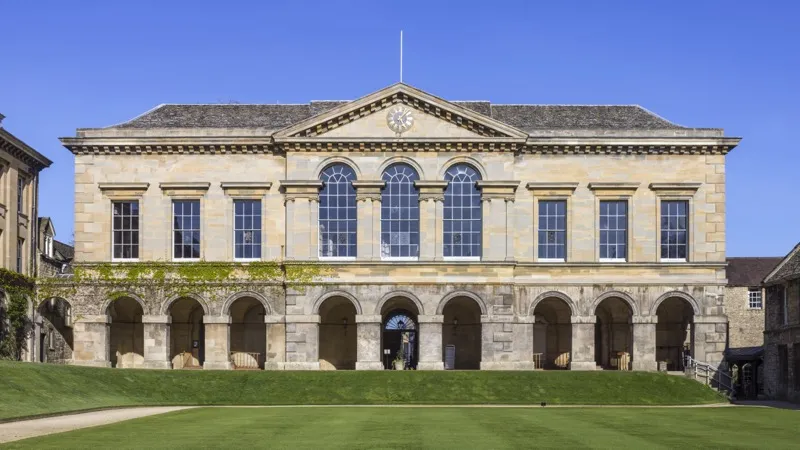
A lake, medieval cottages, and large gardens — one of central Oxford's hidden landscapes
A Dominican hall on St Giles' — Oxford's oldest teaching tradition, refounded after a four-century gap
Oxford's Jesuit hall — and the only building Lutyens ever designed in the city
A roughly triangular flood-meadow between the Thames and the Cherwell, owned by Christ Church and Grade I on the Register of Historic Parks and Gardens, with cattle, college boathouses and a path along the water.
A medieval lecture hall in the Perpendicular style, built between 1427 and 1483 and still attached to the Bodleian Library.
Opened on 7 July 1748 on a quiet lane behind New College, and described by Wadham College — which owns it — as the oldest purpose-built music room in Europe. It still hosts weekly recitals.
The 18th-century stone bridge over the Cherwell at the east end of the High Street, designed by John Gwynn and the gathering point for May Morning.
An Anglo-Catholic theological college in the former Cowley Fathers' monastery
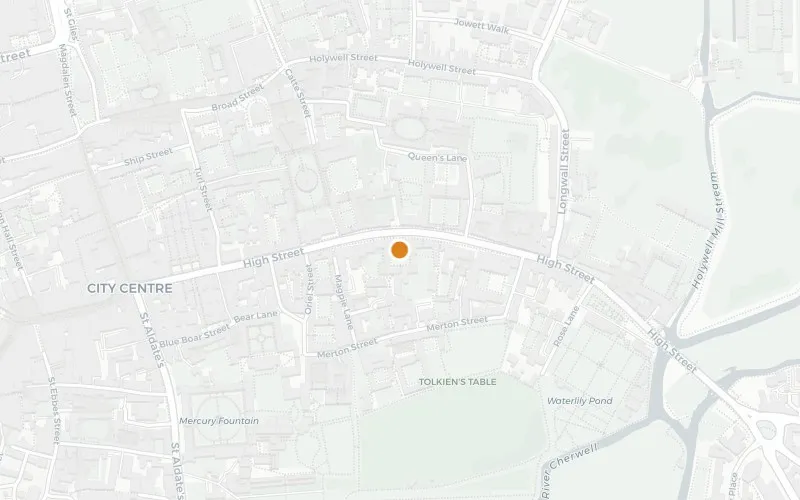
A proper pub hiding in plain sight on the High Street — the 15th-century beams are the real deal.
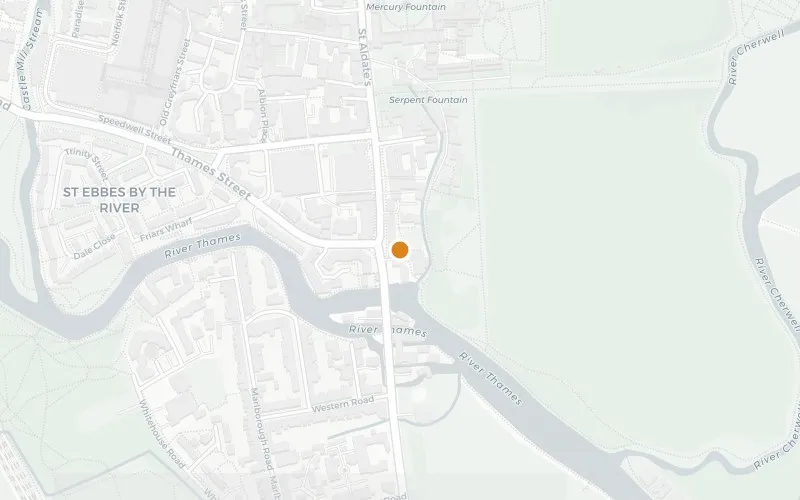
A big riverside pub at Folly Bridge — the terrace over the Thames is the whole point.
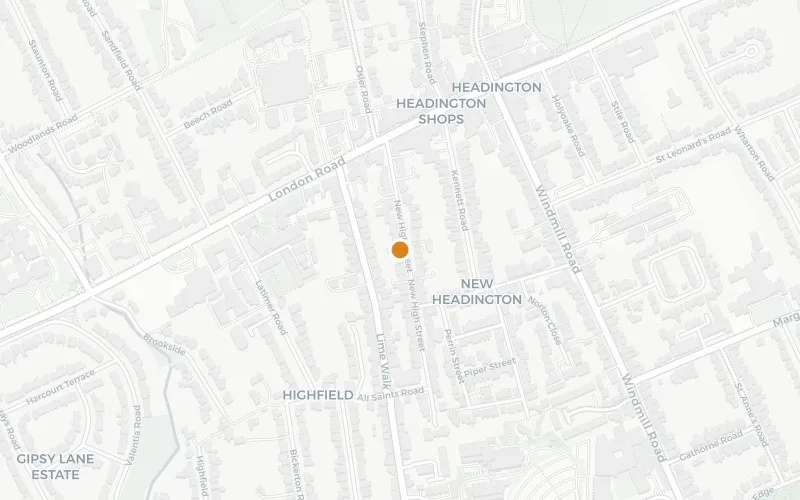
A proper village pub in Headington Quarry — the kind of place C.S. Lewis would have walked to, because he did.
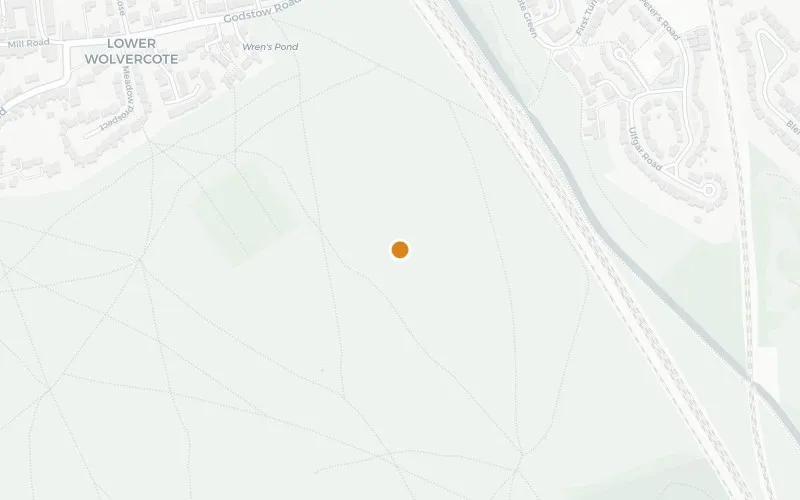
A village green pub in Wolvercote — proper ale, proper food, properly relaxed.
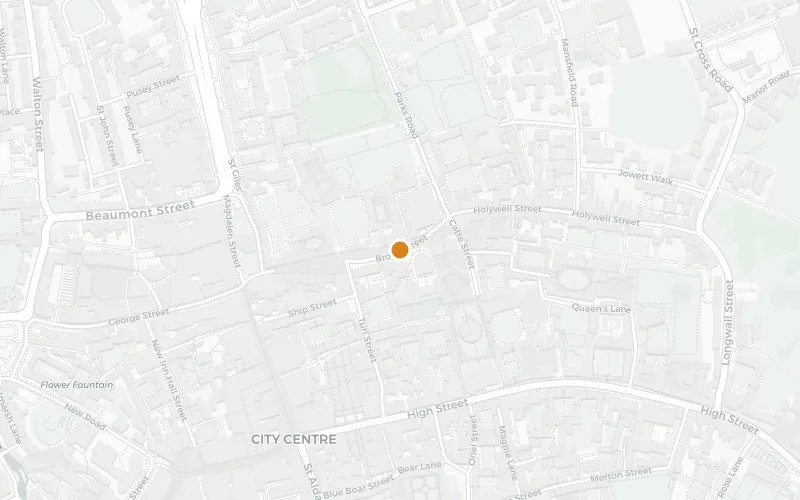
A tiny Broad Street pub squeezed between Blackwell's and the Bodleian — smaller than some college rooms.
A walled garden beside the Cherwell, begun in 1621 for the study of medicinal plants and billed as the oldest of its kind in Britain.
An evangelical Anglican hall on Banbury Road — third-oldest Anglican theological college in England